
-
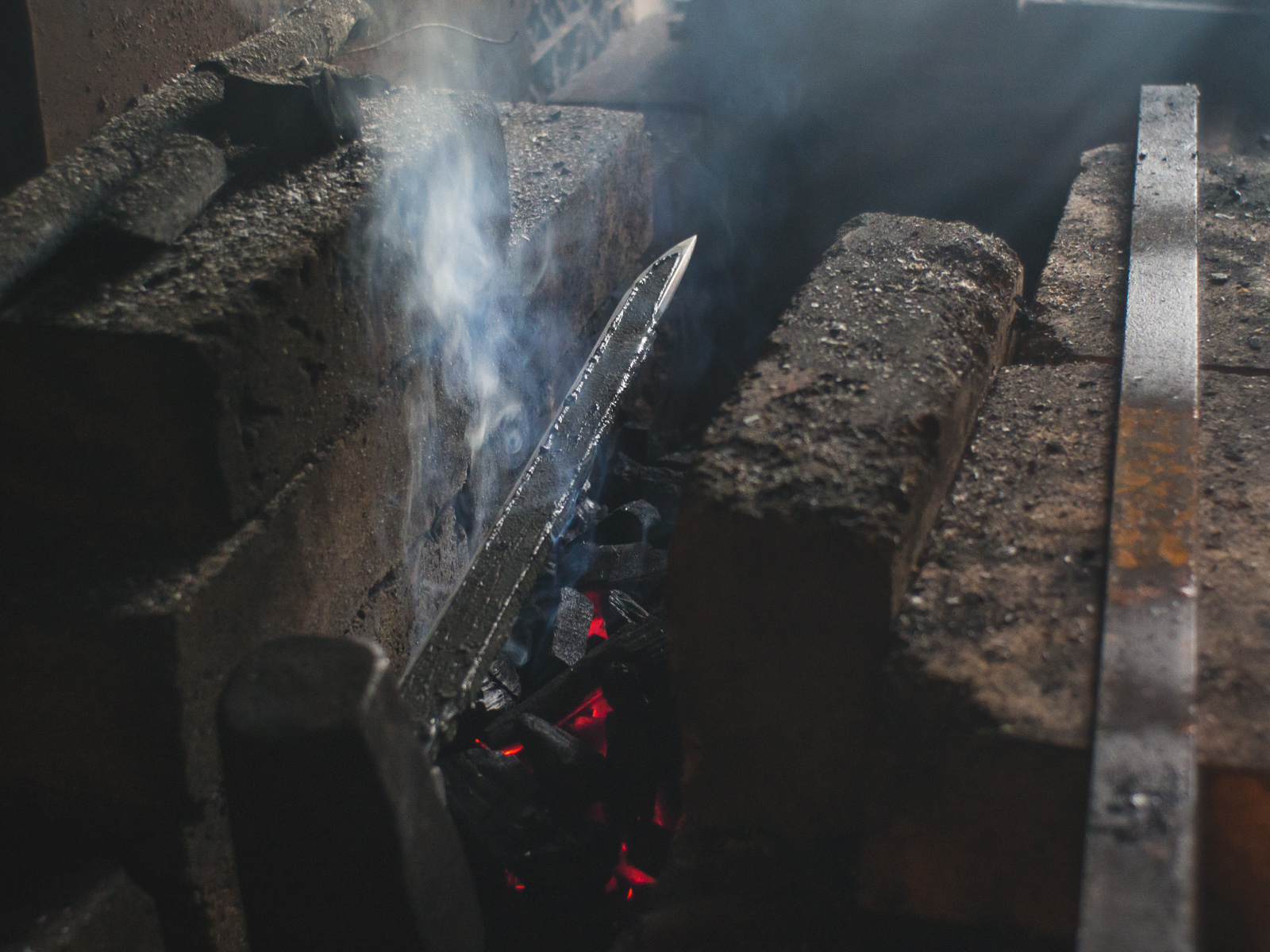
Yaki-Ire – How a Tanto Blade is Born
Until it survives the hardening process, a tanto is only a piece of steel, not yet a blade…read more about this transformational stage: Yaki-Ire (Clay Tempering)
-

Classical Tanto Geometry: Blade & Kissaki
The geometry of a tanto blade is simpler to describe than the tang, though it has more subtleties and nuances. The three main characteristics I want to focus on are tip shape, spine thickness, and bevel geometry. While kata document the profile of a blade, they leave much to be desired in terms of creating…
-

Classical Tanto Geometry: Nakago & Machi
The geometry of the nakago (tang) is very important as the assembly of the knife hinges on the correct form and construction of the tang. Viewed from the spine, the thickest part of the blade is at the machi (notches) and there is a distal taper towards the tip of the blade and towards the…
-

Forging a Tanto from a Carriage Leaf Spring
Full Length Version **The heating time has been edited out and some of the tang work is missing due to battery issues. The blade shape is based on the Aizu Shintogo kata: islandblacksmith.ca/2014/04/aizu-shintogo-kunimitsu-tanto-kata/ Making the most of the fire, hammer, and anvil to prepare the steel to be refined and smoothed…read more about this foundational…
-

On Forging, Temperature, & Grain Size
In a sentence, thermal cycling, or normalizing, is the metallurgical technique of reducing visible grain size by repeated cycling of steel from near its critical temperature to ambient temperature. Several years ago I wondered how traditional Japanese smiths were able to produce such fine grain size even in cases when normalizing was not officially part…
-
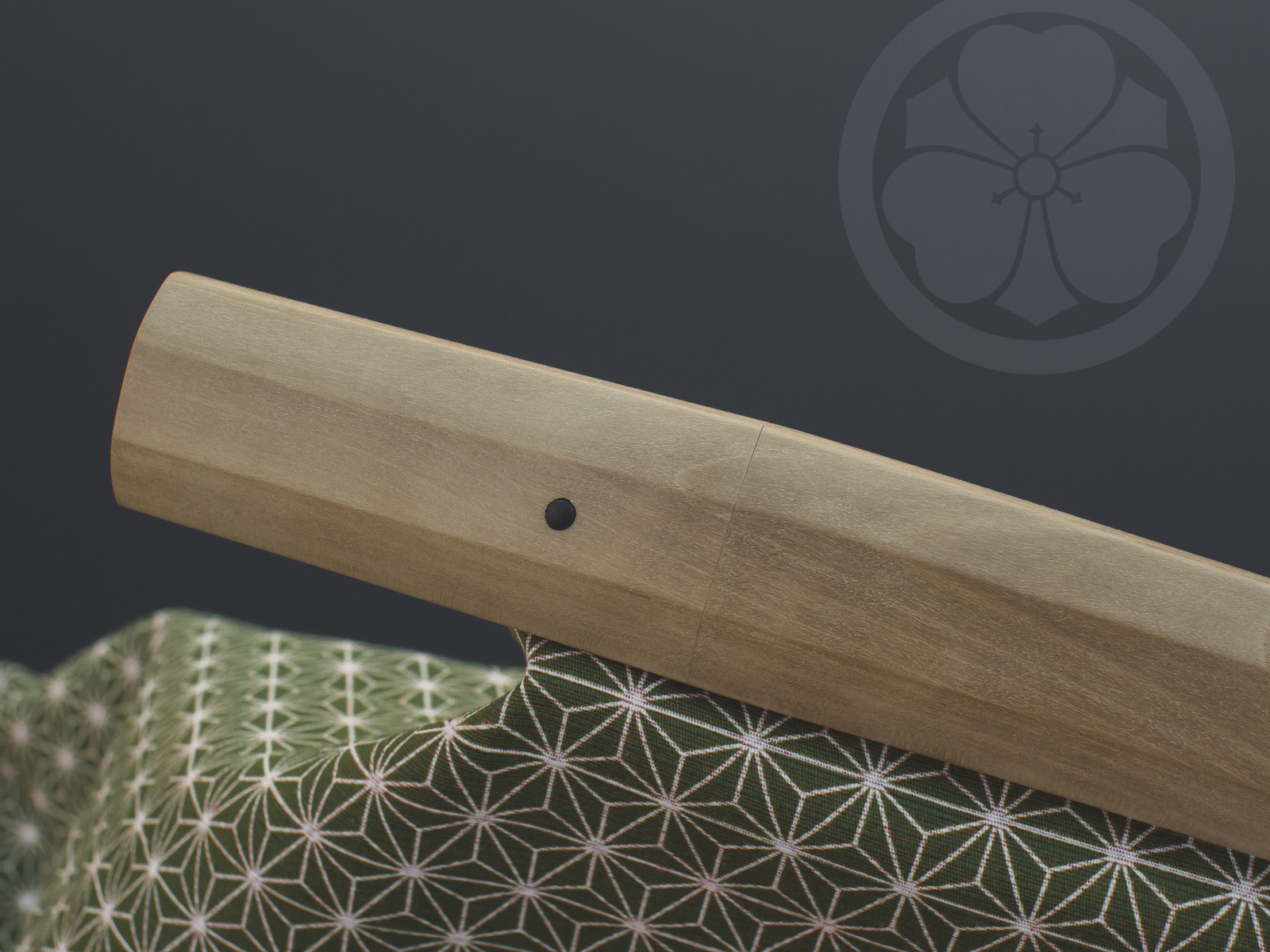
Opening Shirasaya
1. Never pull or jerk the blade out with the power of your arms or you will lose control of the blade and possibly damage the saya (scabbard), yourself, or others. Use only small hand muscle movements to loosen it before drawing. 2. When unsheathing, make sure the edge is up, then pull just enough…
-

Case Study: Making the Sunahama Kotanto
scroll down or jump to the sections below: Blade Sunobe Hizukuri Ara-shiage Hardening Clay Mixture Tsuchioki Yaki-ire Polishing Kaji Togi Shitaji Togi Habaki Forging Filing Bending Soldering Handle Seppa Nakago-ana Sokui Core Tsuka Tsukamaki Mekugi Scabbard Inside Outside Assembly Forging a Kotanto Blade A charcoal fire is used to heat the steel for shaping with…
-

Aizu Shintogo Kunimitsu Tanto Kata
A kata is a pattern or form used for study or reference when creating an utsushi blade. The exercise of accurately making kata based on the work of historical smiths is an excellent way to train the eyes, mind, and body to create proper forms. This particular kata is based on a beautiful tanto made…
-
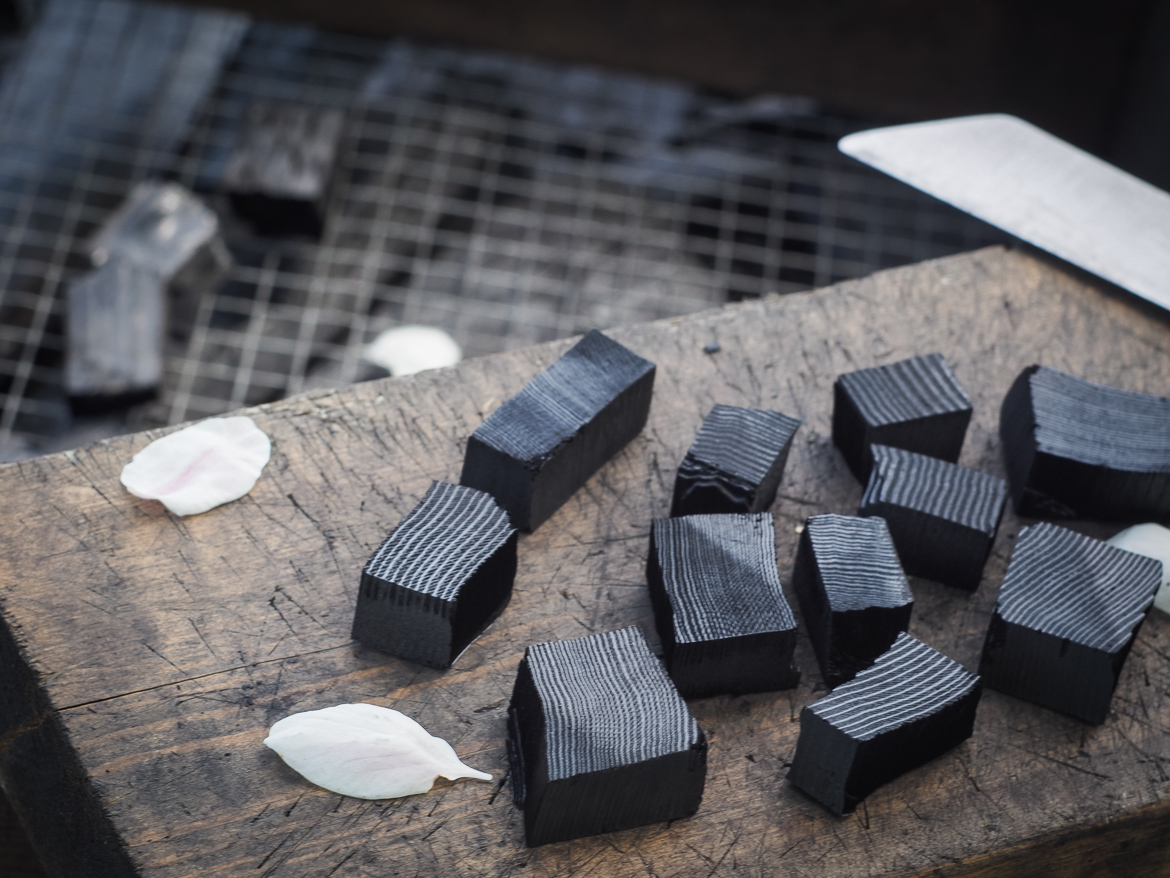
Testing Blacksmithing Charcoal
More about making softwood charcoal: How Charcoal is Made
-

Making Charcoal for Blacksmithing
More about making softwood charcoal: How Charcoal is Made
-

Chopping charcoal (sumi-kiri)
More about making blacksmithing charcoal: How Charcoal is Made
-
Sharpening a Nata (variation of a Japanese brush knife)
-
Sharpening a Kama (Japanese farmer’s sickle)
-
Making a handle for a small pick
-

You Need A Japanese Swordsmith’s Hammer
Three reasons why *you* need a Japanese swordsmith’s hammer for forging knives. Size – the small face is better suited for working on a narrow target, keeping the hammer from hitting the anvil as the bevel gets thinner Weight – though the face is small, the long body carries the weight of a much larger…