
-
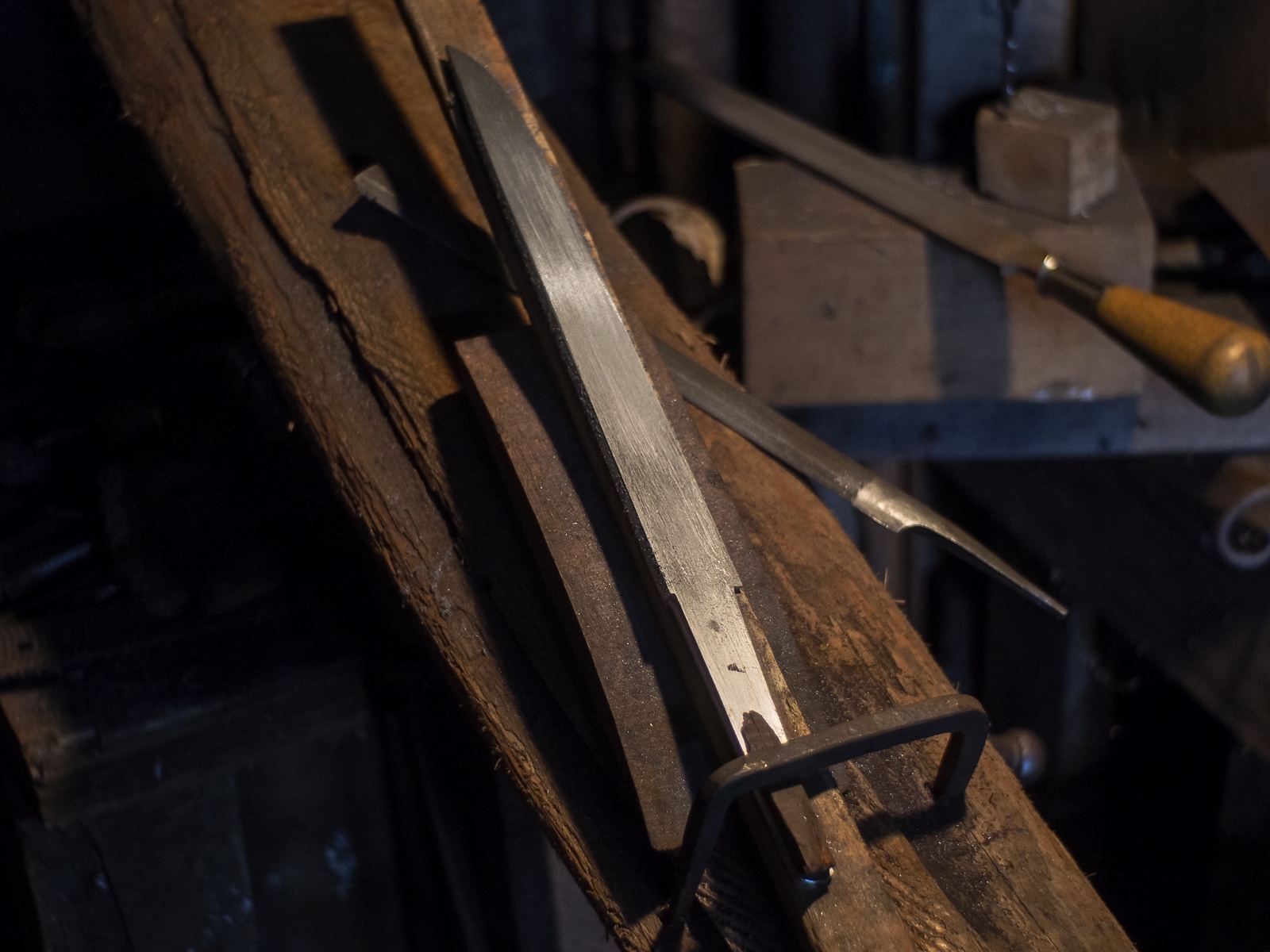
Arashiage – Hand Filing a Forged Tanto
Hand filing a classical tanto style blade forged from half of a reclaimed horse carriage leaf spring. (4x) Arashiage is the rough shaping stage that comes after hizukuri (fire shaping) and before yaki-ire (hardening). Serious students of the forge can read more and watch the full process version here.
-

Making a Mountain Tanto
The wider profile of the mountain style tanto is inspired by a kamakura sword and has a more deeply curved tip (fukura-tsuku) and shorter drop point. The simple and humble mounting style is inspired by the age-old style of farming and foresting tools traditionally used in managing satoyama lands. Satoyama are the managed forest areas…
-

Making a Tanto Style Takedown Handle
The tang and handle of a classical tanto are constructed in a manner that requires only a single bamboo peg to hold the entire knife assembly together. In addition to the sense of beautiful simplicity, this design allows the knife to be taken apart for cleaning, polishing, or sharpening work. Carving and fitting the inside…
-
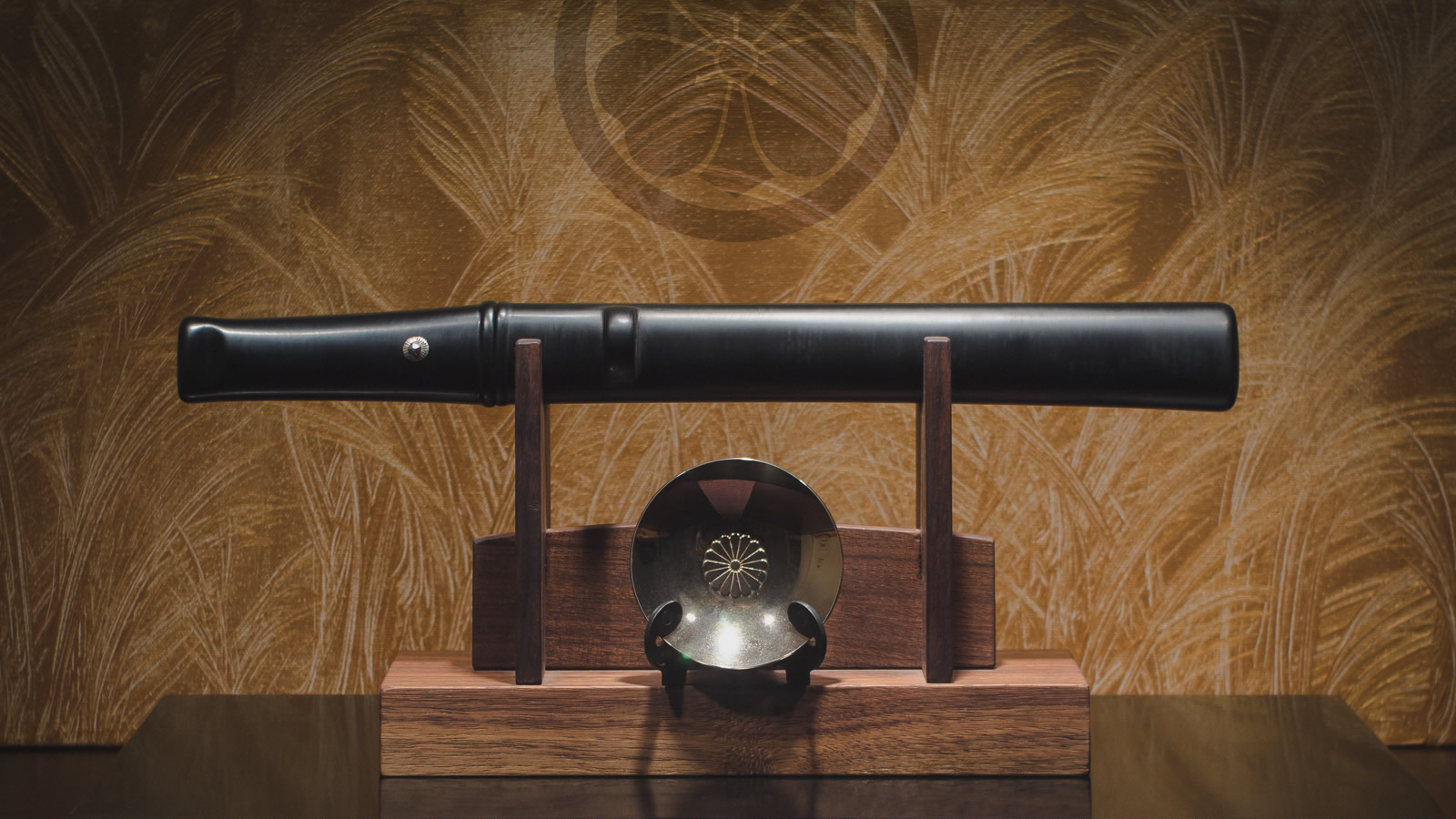
Sounds of the Workshop: Tanto Overview
The tools are simple and few, but the work is long and hard. A collection of clips documenting the steps and sounds involved at many stages of the process of crafting charcoal forged classical tanto and mountings from reclaimed materials. Footage from several recent projects is included, some extended and some previously unreleased, some from…
-

Touzai Tanto
Touzai (東西) can be literally translated “East West” and carries the idea of spanning across distance or covering and including everywhere. There is also a saying, “kokontouzai” (古今東西) which means for all time and all places, literally “old, now, East, West”. This project began with the concept of ideas from different times and places coming…
-

Making Sekigane for a Wrought Iron Tsuba
Guards for classical Japanese style takedown knives are generally formed as variations of flat discs that slide over the tang. When working with wrought iron or steel, small copper inserts called sekigane (責金) are often used to prevent contact between the blade and the tsuba. This photo essay will attempt to portray a simple approach…
-

Making an Outdoor Knife
The Japanese swordsmithing tradition has been in place for generations and many of the design elements have been tested and refined for centuries. With careful study and practice, this can be a solid foundation for today’s bladesmiths and knifemakers to build their work upon. This article will provide an overview of the process and cover…
-
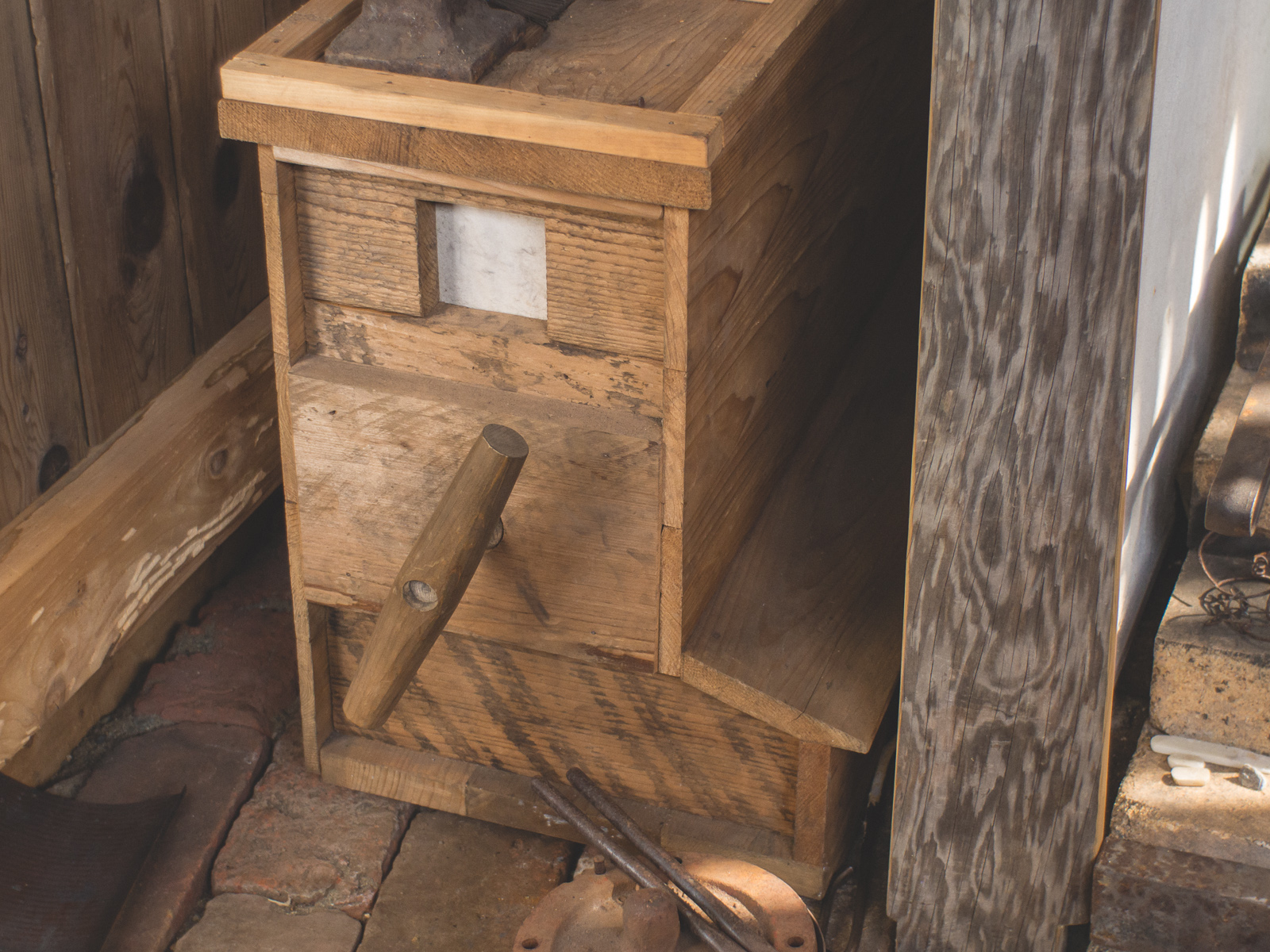
You Need A Swordsmith’s Fuigo Box Bellows
Japanese style box bellows (fukisashi/吹差鞴) reached their current and finalized form by about the sixth century. They are constructed almost entirely of wood and allow a smith to supply a highly controlled air blast to the forge by pulling and pushing the handle slowly back and forth. Using dual chambers and two sets of valves,…
-
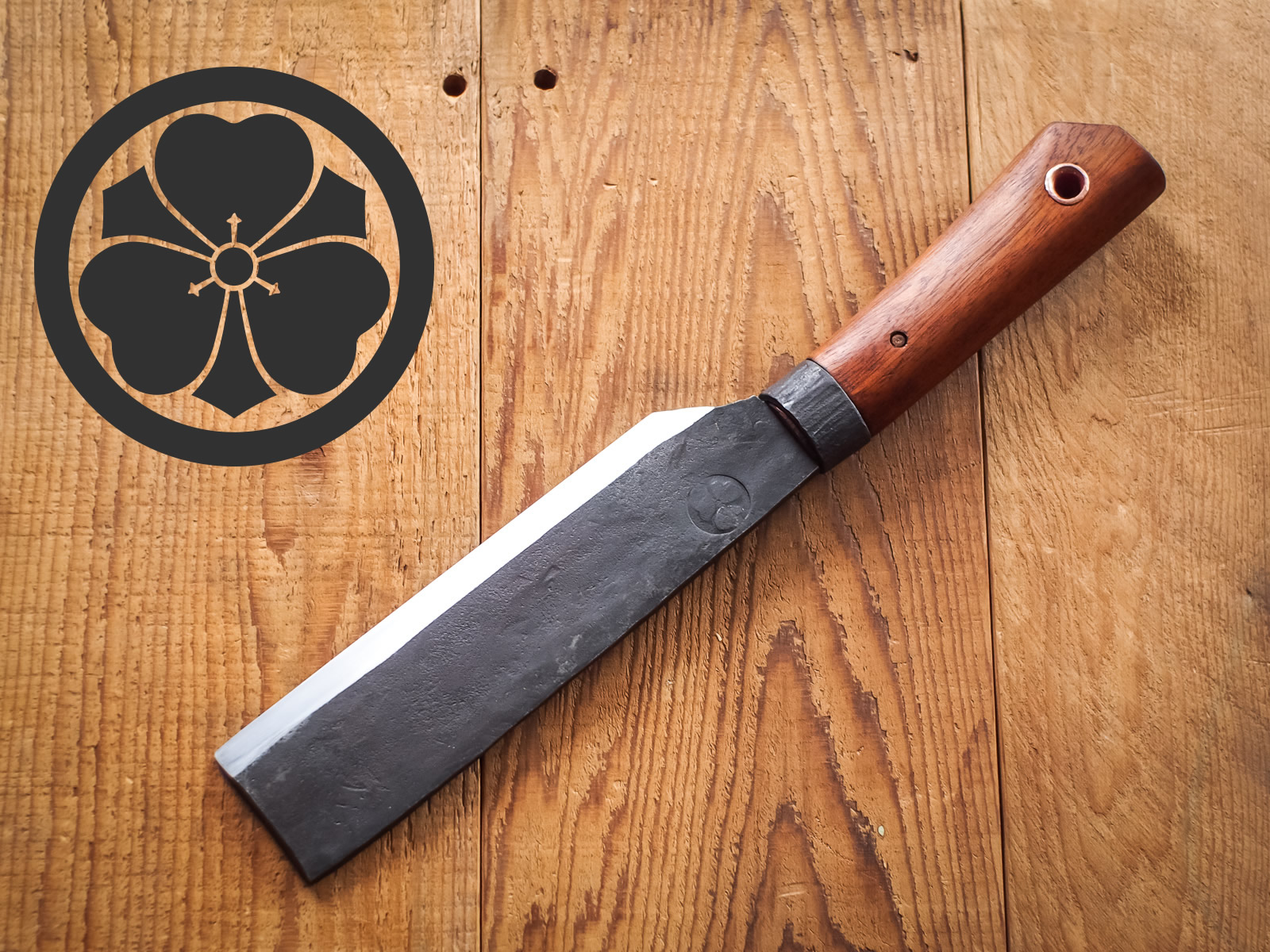
Case Study: Making a Hon-Yaki Nata
Nata (屶, directly translated “mountain sword”, or 鉈) come in various sizes and shapes, but the type most familiar in the west does the duty of a light brush hatchet or heavy camp knife. Common characteristics include thick spines and heavy blades, often with single beveled edges similar to Japanese wood chisels. This type work…
-

Sounds of the Workshop: Aikuchi Tanto Urushi Lacquer
…a.k.a.: the *even* quieter edition. The final stages of finishing the aikuchi tanto. This is a collection of clips documenting the steps and sounds involved at most every stage of the process of hand lacquering a traditional aikuchi tanto mount made from reclaimed driftwood. Several of the layers have been omitted from the video when…
-
Sounds of the Workshop: Aikuchi Tanto Koshirae
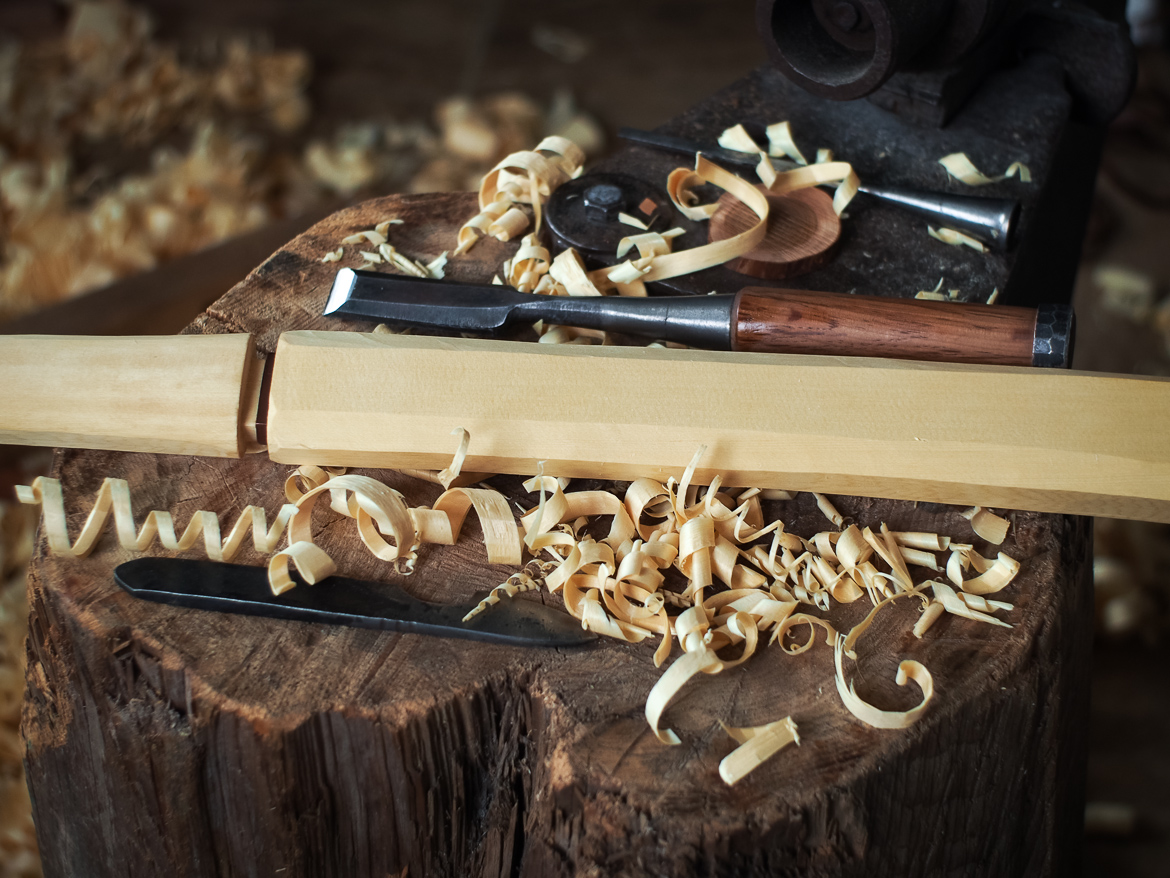
…Sounds of the woodshop, that is…a.k.a.: the quiet edition. Sit back and chill to the sounds of sharp blades and smooth wood. This is a collection of clips documenting the steps and sounds involved at most every stage of the process of hand making a traditional aikuchi tanto mount from reclaimed driftwood. The project began…
-
Classical Tanto Construction: Habaki の Machigane
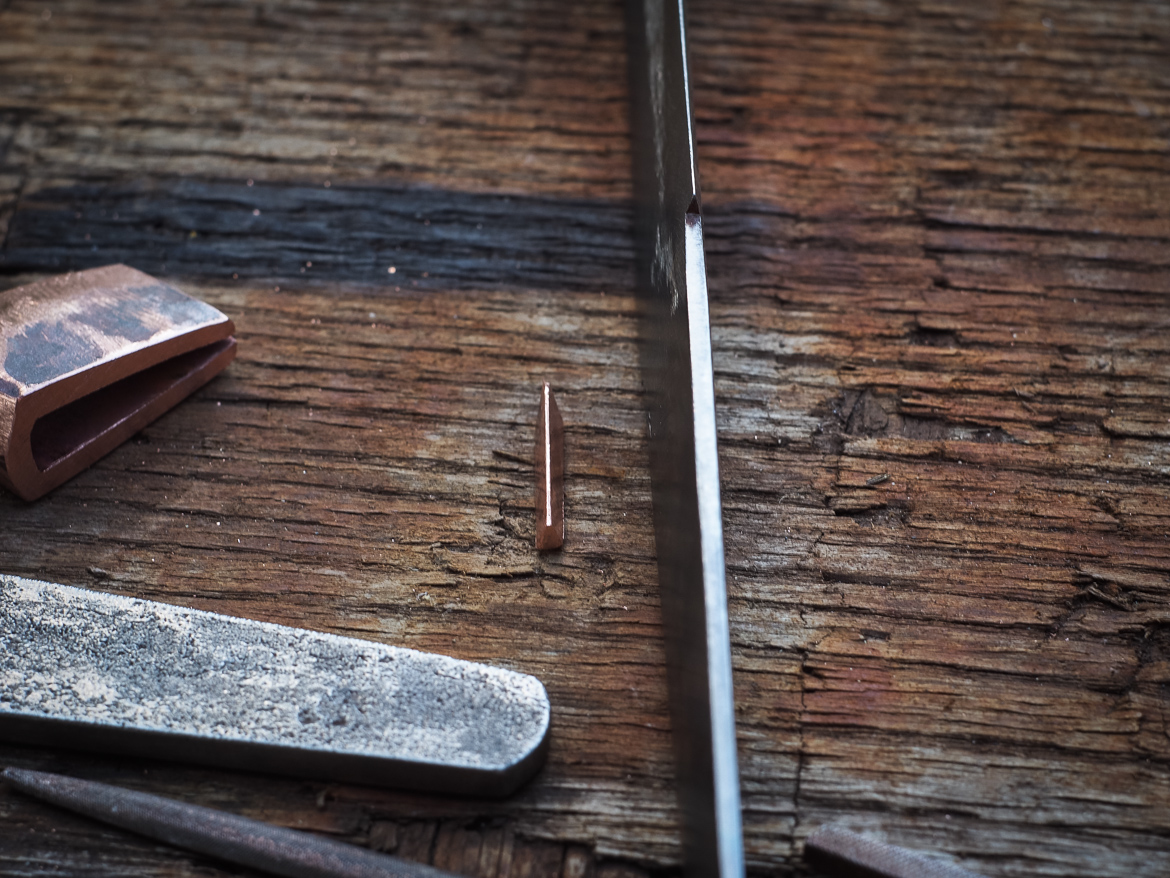
Habaki is a non-ferrous collar for the blade that strengthens the base of the tang and holds the blade tightly in the scabbard. Often made of copper, it is composed of a large jacket and a small wedge that are forged and filed to shape and then soldered together before polishing and patinating. The topic…
-
Tsukimi Tanto – Final Assembly
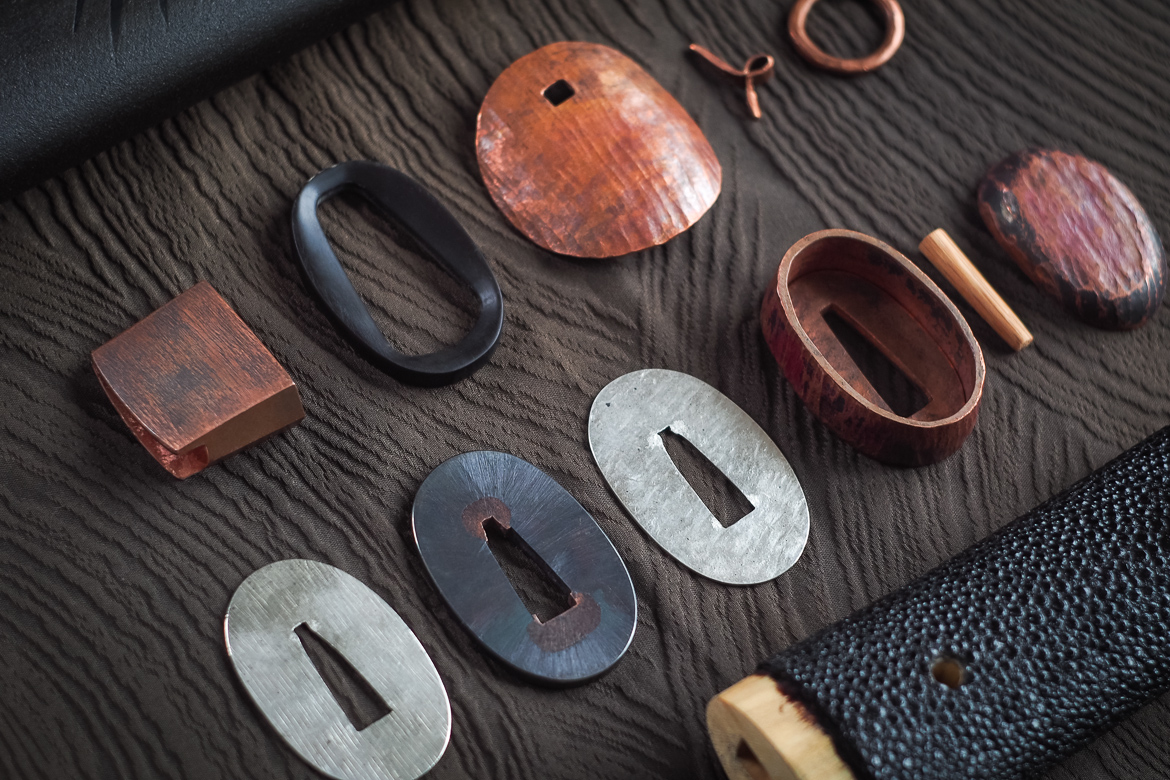
A quick clip of the final assembly of the Tsukimi Tanto. All parts of traditionally constructed tanto and koshirae fit together tightly and the assembly is locked together with a single bamboo peg. Each part fits only one way, even the bamboo peg has a specific alignment for maximum strength. Tsukimi means “moon watching” (in…
-

Sounds of the Workshop: Creating a Tanto Blade
Just for fun! This is a collection of clips documenting the sounds involved at each stage of the process of making a traditional tanto blade from reclaimed steel. A little slower the second time in case you missed anything in the intro! The blade is based on design elements of the 13th century Aizu Shintogo…
-
Forging the Ashinoho Tanto
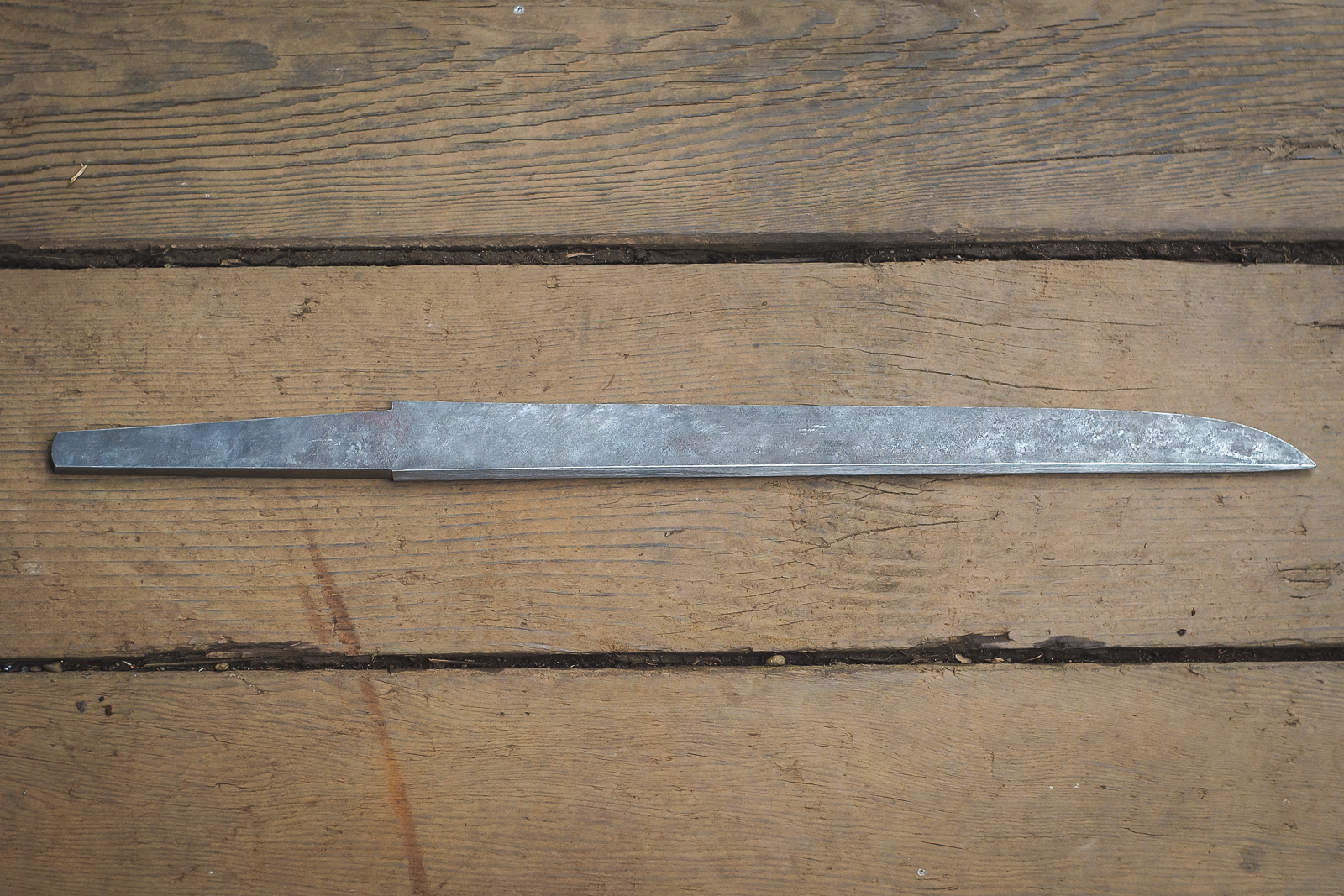
This tanto began as a reclaimed carriage spring and was hand forged in a pine charcoal fire, smoothed with files and a sen scraper, differentially hardened using traditional water quench yaki-ire with clay, and polished by hand with natural Japanese water stones. This tanto was forged from an antique horse-drawn carriage spring in early 2014,…