
-

Inome Tanto
The inome (pronounced “ee-no-may”, 猪の目, eye of the boar) name comes from the pierced heart-shape designs of the decorative o-seppa (washers) on either side of the tsuba (handguard). This lovely motif is ubiquitous in Japan, seen often in architecture, furniture, and sword mountings. In this context, the inome symbol conveys the idea of the focused,…
-

SOTW #19 – Assembling the Inome Tanto
The inome (pronounced “ee-no-may”, 猪の目, eye of the boar) name comes from the pierced heart-shape designs of the decorative o-seppa on either side of the tsuba. This lovely motif is ubiquitous in Japan, seen often in architecture, furniture, and sword mountings. This is the first of my blades to incorporate antique sword parts as part…
-

Making Tanto Kata
A kata is a pattern or form used for study or for reference when creating an utsushi blade. The exercise of accurately making kata based on the work of historical smiths is an excellent way to train the eyes, mind, and body to create proper tanto forms. The most important aspect of making kata is…
-

Precision cut tanto kata
A look at some precision cut steel tanto kata based on historical japanese swords from 1200s-1500s…order a set of kata here: soulsmithing.com/product-category/kata/ A kata is a pattern or form used for appreciation, study, or for reference. The exercise of accurately making kata based on the work of historical smiths is an excellent way to train…
-
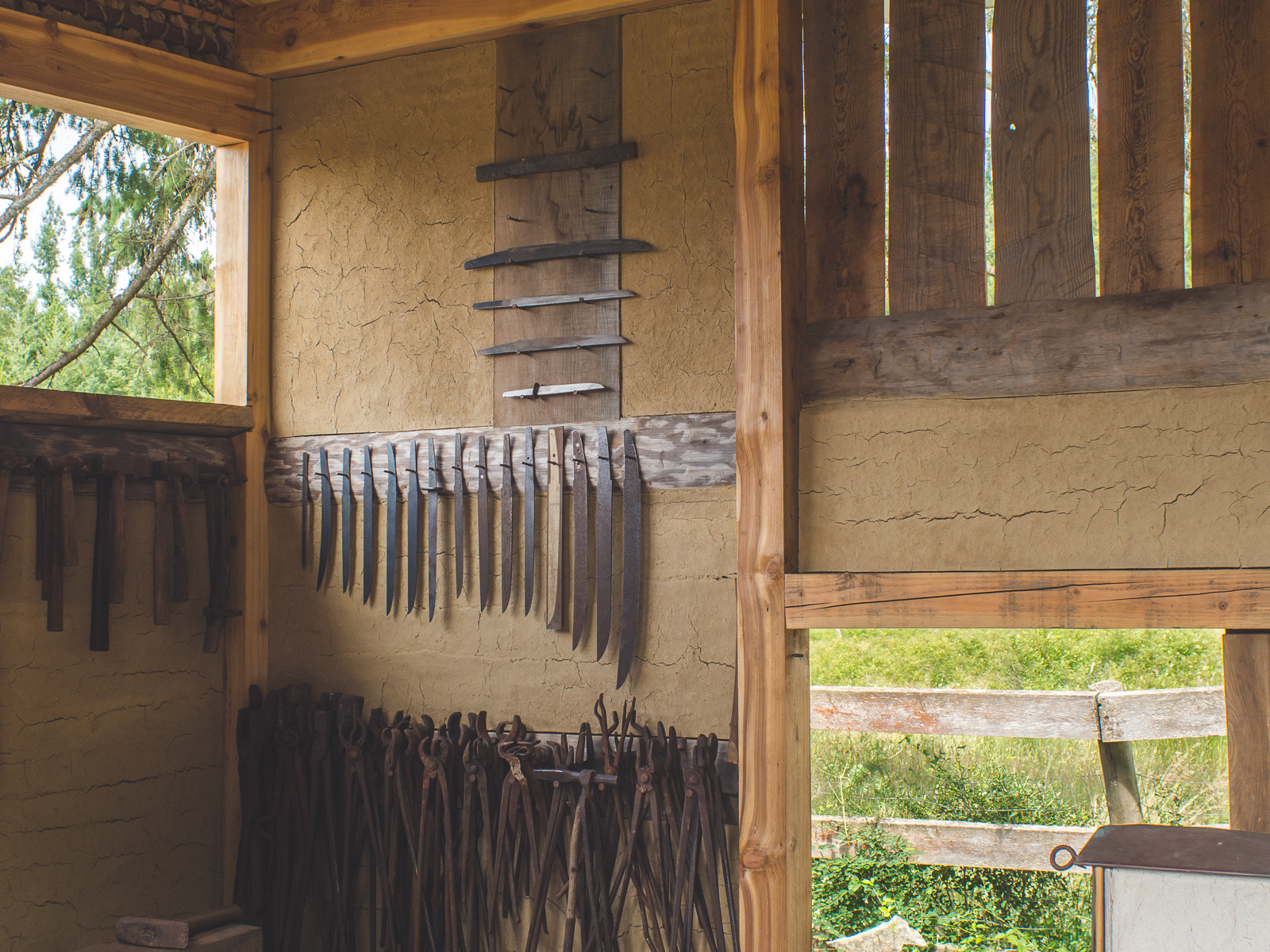
Island Forge: Part 7 – Kajiba Tour
This series of photo essays will document the preparation, construction, and set up of a simple swordsmith style kajiba (鍛冶場, forge building) from the ground up. The main inspiration for aesthetic, form, and technique is the humble Japanese inaka naya (納屋) style of a century ago. Swordsmith Forge The centerpiece of the kajiba is the…
-

Installing the Higuchi (tuyere)
Installing/repairing the higuchi (tuyere), the point where the air enters the forge and temperatures are very high. In this case the fire clay to form the tuyere and fit it to the brick construction Japanese swordsmith forge is a traditional brasque recipe consisting of 6:2 charcoal powder/fines to natural clay, mixed with just enough water…
-

Island Forge: Part 6 – Interior Walls & Shutters
This series of photo essays will document the preparation, construction, and set up of a simple swordsmith style kajiba (鍛冶場, forge building) from the ground up. The main inspiration for aesthetic, form, and technique is the humble Japanese inaka naya (納屋) style of a century ago. Earthen Walls The interior walls are arakabe (荒壁), a…
-

Can we just take a moment?
Let’s just take a moment, shall we? Take it. Taken. Done. Sights and sounds featuring stones, moss, rain, bamboo, birds, cypress, and a frog. This area was a muddy thistle patch three days ago. more of the island forge kajiba project
-

Island Forge: Part 5 – Tsuchikabe
This series of photo essays will document the preparation, construction, and set up of a simple swordsmith style kajiba (鍛冶場, forge building) from the ground up. The main inspiration for aesthetic, form, and technique is the humble Japanese inaka naya (納屋) style of a century ago. Earthen Plaster The upper sections of the walls are…
-

Island Forge: Part 4 – Yakisugi
This series of photo essays will document the preparation, construction, and set up of a simple swordsmith style kajiba (鍛冶場, forge building) from the ground up. The main inspiration for aesthetic, form, and technique is the humble Japanese inaka naya (納屋) style of a century ago. Sorting & Charring The siding for the walls is…
-
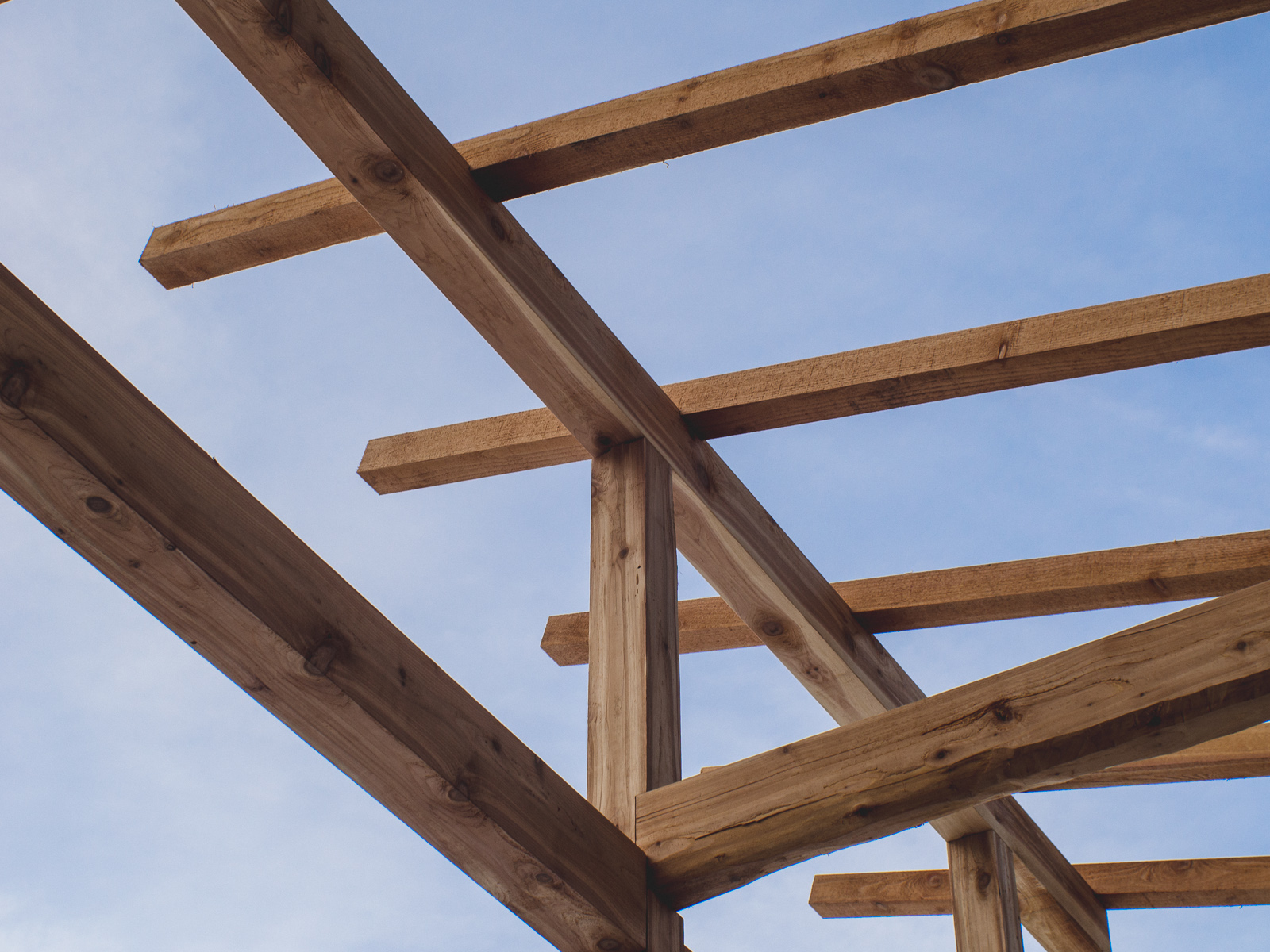
Island Forge: Part 3 – Roof
This series of photo essays will document the preparation, construction, and set up of a simple swordsmith style kajiba (鍛冶場, forge building) from the ground up. The main inspiration for aesthetic, form, and technique is the humble Japanese inaka farm building style of a century ago. Framing & Sheeting The roof was assembled on the…
-
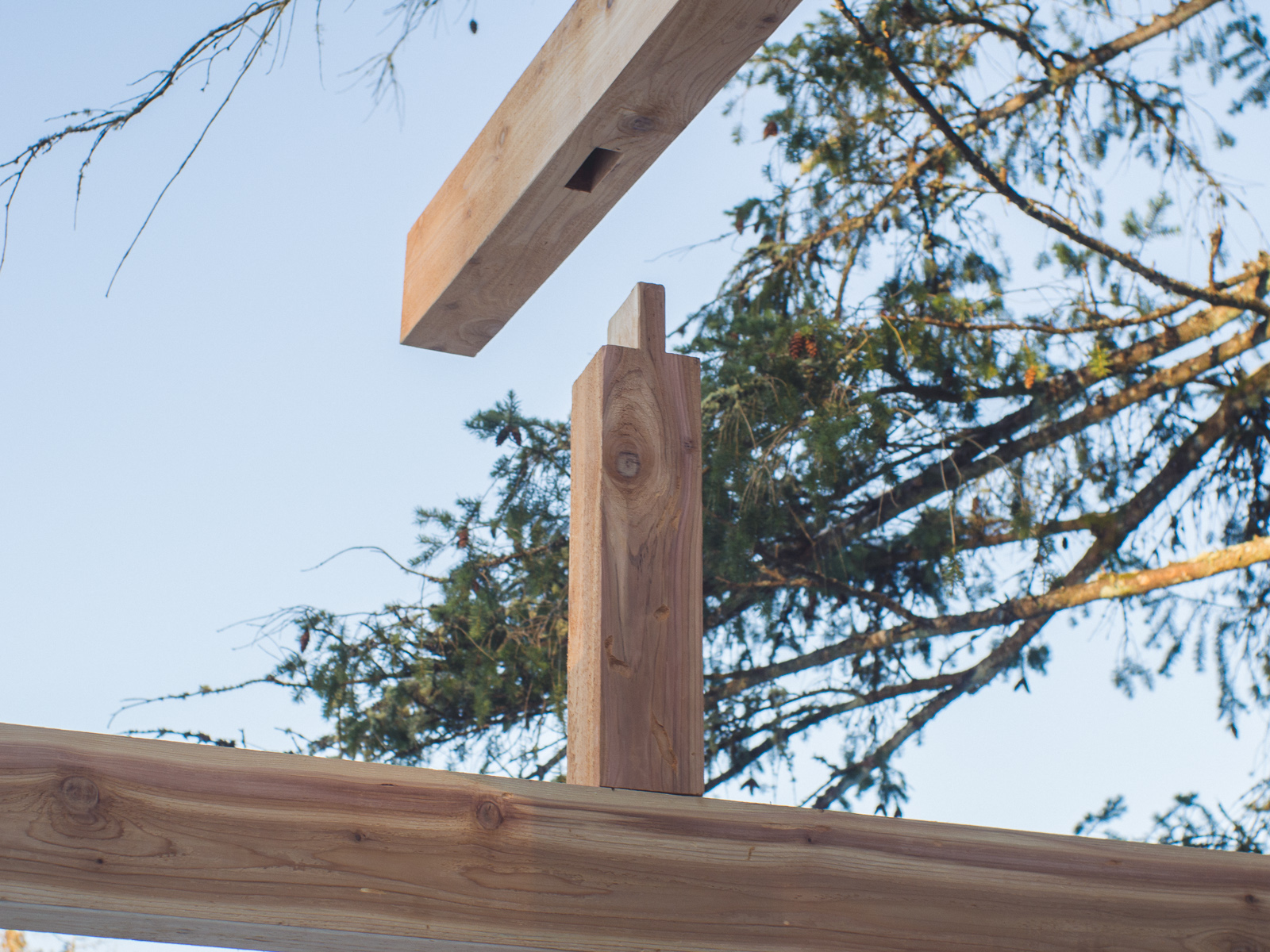
Island Forge: Part 2 – Timber Frame
This series of photo essays will document the preparation, construction, and set up of a simple swordsmith style kajiba (鍛冶場, forge building) from the ground up. The main inspiration for aesthetic, form, and technique is the humble Japanese inaka naya (納屋) style of a century ago. Joinery The Western Red Cedar timbers were milled locally…
-

Island Forge: Part 1 – Foundation
This series of photo essays will document the preparation, construction, and set up of a simple swordsmith style kajiba (鍛冶場, forge building) from the ground up. The main inspiration for aesthetic, form, and technique is the humble Japanese inaka naya (納屋) building style of a century ago. Foundation The location for the kajiba slopes down…
-

Repair broken Natural Waterstone with Urushi
Repairing a broken natural Japanese waterstone using urushi lacquer. Natural urushi lacquer is strong enough to repair the stone but will not interfere with sharpening and polishing as some glues may. Carving a cypress base to hold the stone together as well as using urushi lacquer to reattach the halves provides a double solution. The…
-
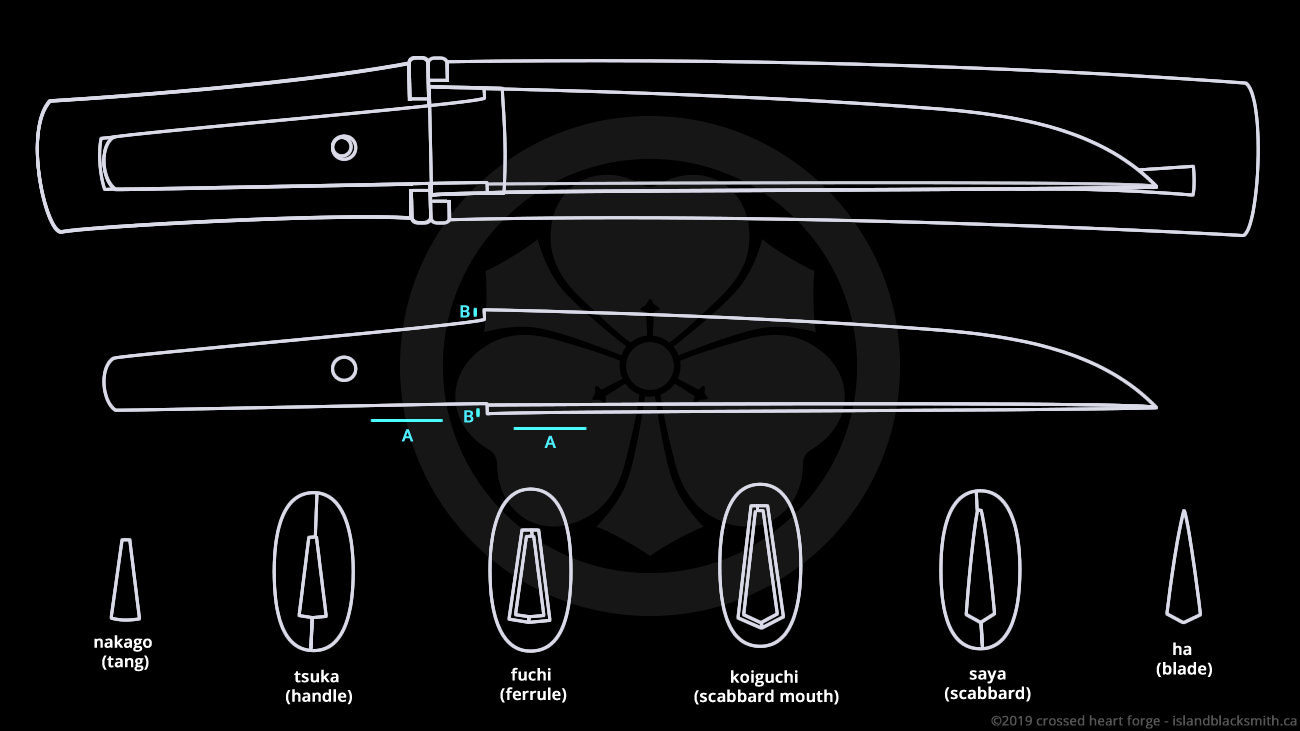
Eyes on the Spine: say No to the kink, and Yes to the flow
One of the most common mistakes when attempting to recreate a Japanese classical style tanto is to caricature or over exaggerate certain design elements while entirely missing others. The Japanese aesthetic is subtle and nuanced, millimeter differences can make or break the lines of a blade or koshirae. A subtle curve is almost always more…