
-

Keeping it Simple with Paracord
This special project commemorates a milestone for a long term friend and supporter of the forge and represents another variation of the fusion style outdoor knife genre. The concept is the combination of a western bowie shape made with Japanese techniques, the simplicity and durability of a solid integral cord wrapped handle, and a nata…
-

Building Simple Charcoal Forges
Building two examples of quick and simple sideblast charcoal forges with found and reclaimed materials to demonstrate that lack of equipment and materials should not be a major obstacle. Ways to improve and expand on these concepts include: mixing copious amounts of chopped straw or charcoal powder (6:2) into the clay to make it refractory,…
-

Yoroidoshi in Shirasaya
This blade began as a segment of reclaimed horse-drawn carriage spring and was hand forged in a charcoal fire, smoothed with files and a sen scraper, hardened using traditional water quench yaki-ire, and polished by hand with natural Japanese water stones. Crafted and finished entirely with hand tools and traditional techniques, the slender blade profile…
-

Film: Study the Old to Know the New
In a forge on Vancouver Island, reclaimed steel is turned into tanto. Directed, Photographed, and Edited by Trevor Komori Location Sound: Sean Brouwer B Camera Operator: Liam Leyland Music Composed by Kurtis So Production Assistants: Vivian Hu & Judy Zheng still images | behind the scenes | making this tanto | view on youtube
-
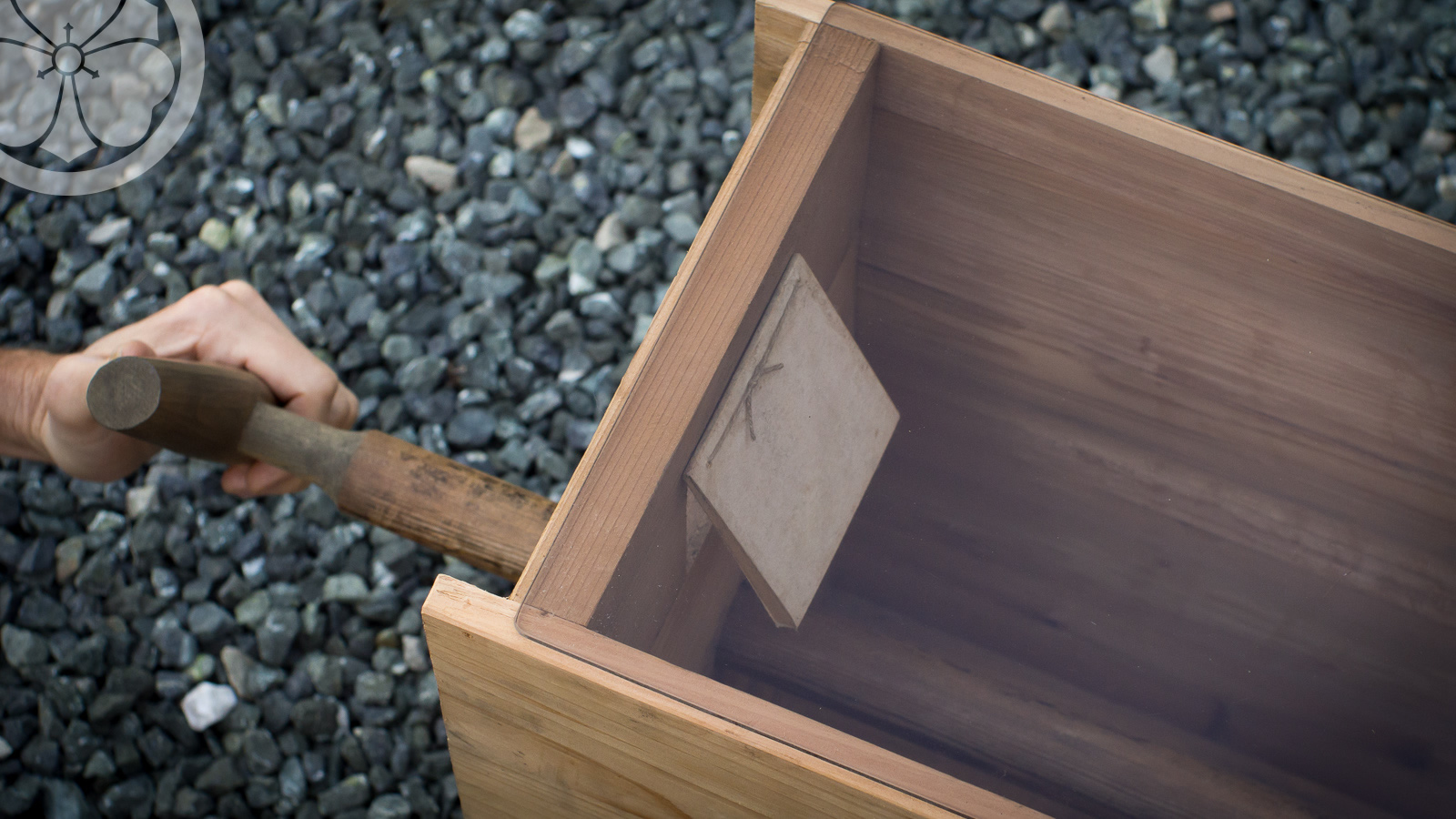
Glass Top Fuigo – Inside View of Box Bellows
A look at the inside operation of a prototype fuigo (鞴) box bellows…four wooden flap valves (called ben / は弁), two for intake and two for the manifold, control the direction and location of the airflow on each stroke of the piston to provide double action to the single output into the fire. more about…
-

Short film release: 温故知新
Last summer Komori~san and a talented crew came to the island and spent a couple of days getting footage in the forge and of the final assembly of a tanto. Take a look at these beautiful stills, his latest creation is set to go live this week! A true and accurate understanding of the past…
-

Louie Mills (1944-2018)
I just received word that Louie Mills (Yasutomo – 康友) has moved on to the next stage of life, passing peacefully in his sleep this morning. A friend to many and generous with his knowledge and craft. He will be missed on this side but we hope to see him again soon under far better…
-
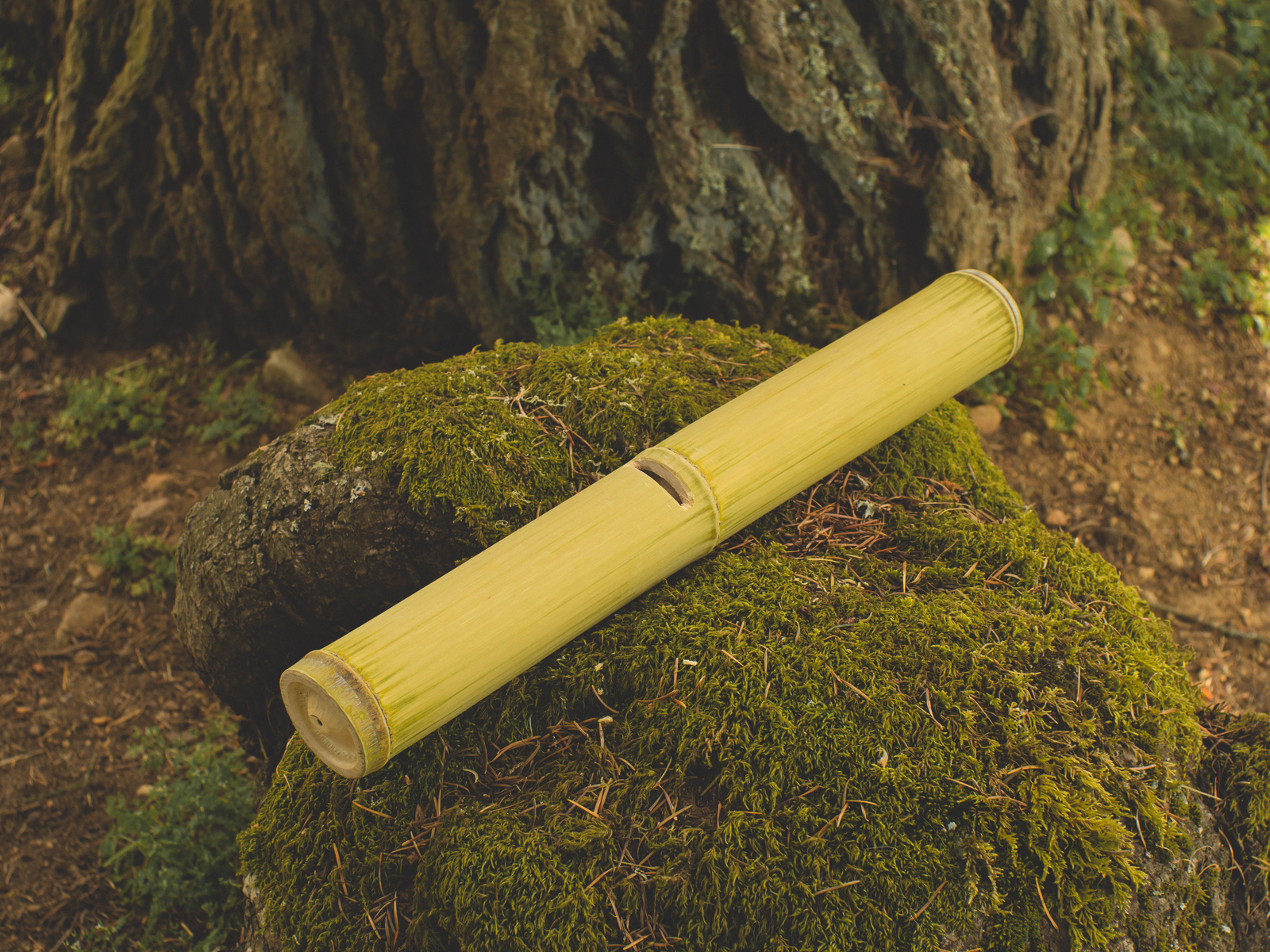
Making a Bamboo Scoop for Water Forging
Simple technology for pouring water on the anvil, takeno mizusashi (竹の水差し) made from a piece of bamboo. Forging with a thin film of water on the anvil and hammer prevents forge scale or oxide from being hammered into the surface of the steel. The hot steel instantly vaporizes the water and the resulting steam explosion…
-
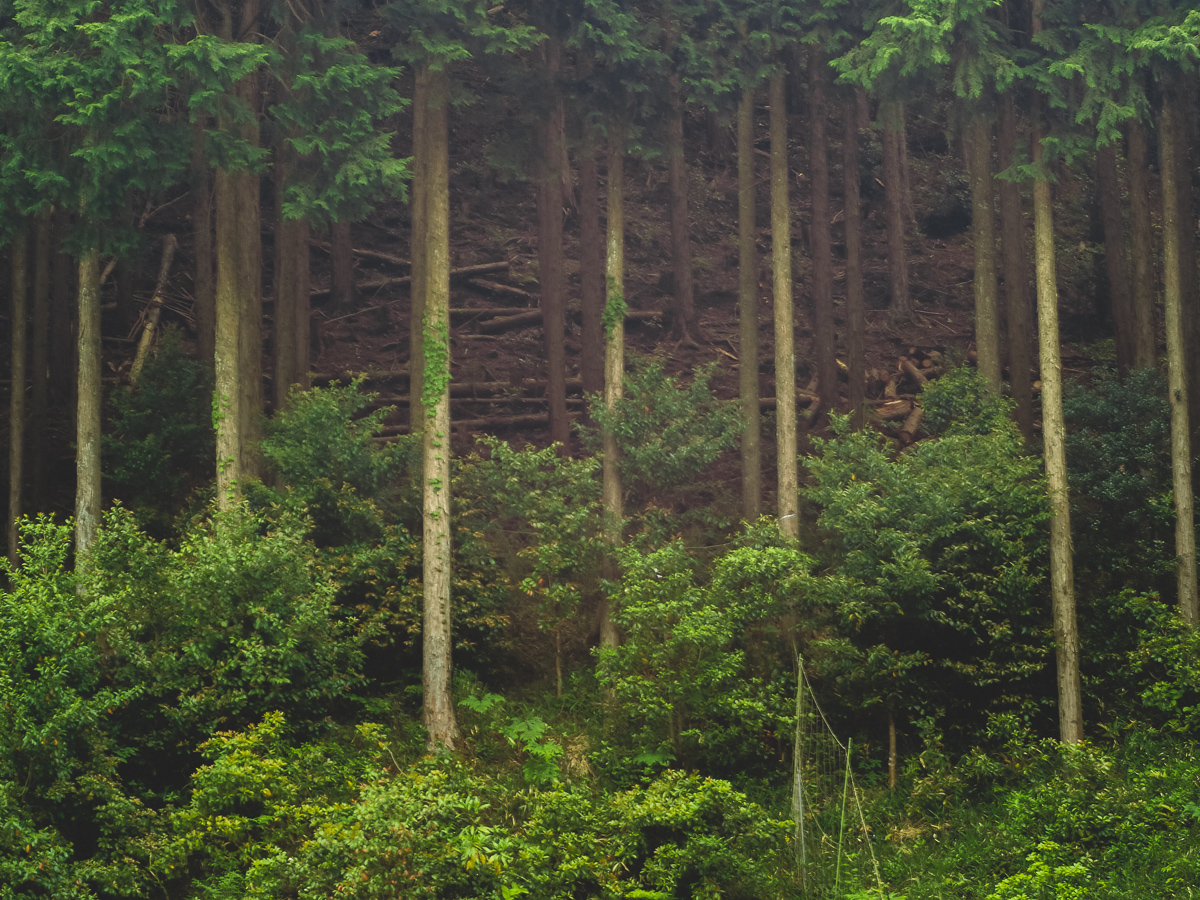
Japan Photo Essay: Hinoki Forest Management
A photo essay depicting some elements of selective management of a Hinoki Cypress forest on a mountainside in rural Japan. The main idea is to reduce the density of the trees to promote healthy growth but there are several additional benefits as well. Secondary goals of management include using some of the cut or standing…
-
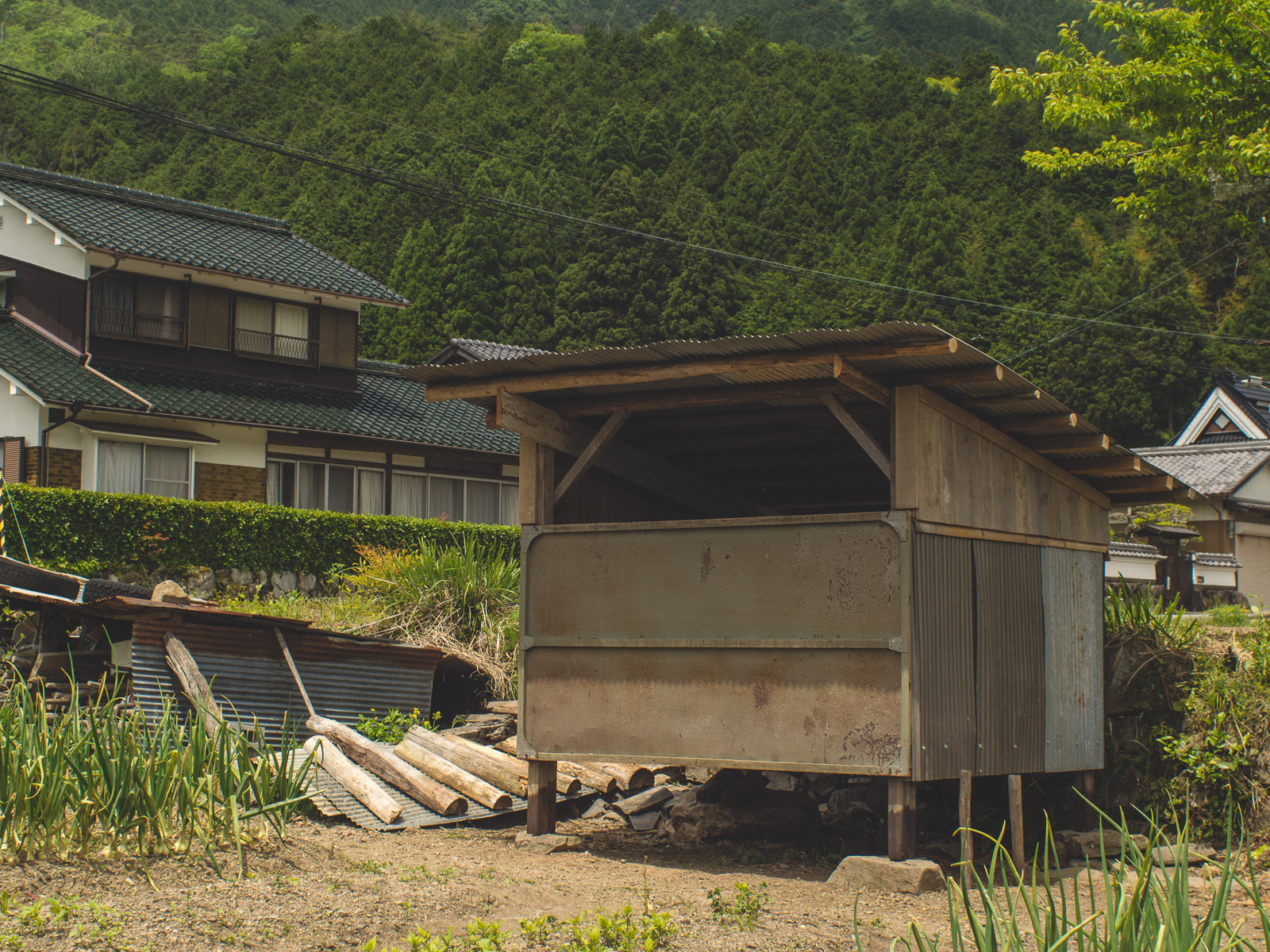
Japan Photo Essay: Chashitsu-goya
Building a small farm shed in an inaka area of Japan. The materials were mostly reclaimed and from what was on-hand on the farm. Incorporating elements of local architecture, the design allows farming tools and materials to stay on site at the field and provides workspace at a convenient height for grandpa. Affectionately named chashitsu-goya…
-
Japan Photo Essay: Inaka Architecture
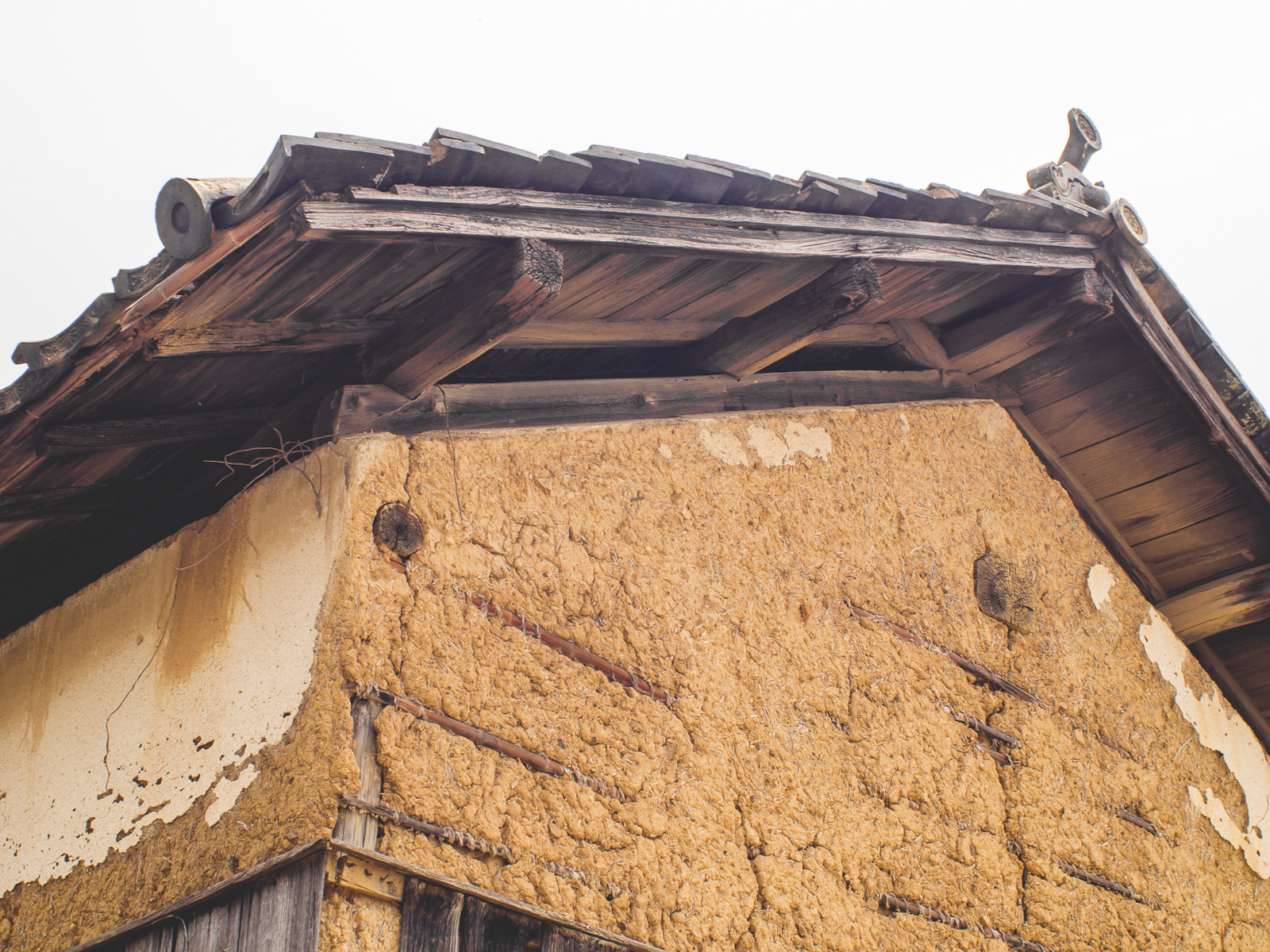
Photographic inspiration from traditional Japanese countryside construction. Additional views here. View from the mountain across the valley of roof tops and rice fields. Backing right onto the steep mountain slope, water and soil control is very important. These buildings have stood here more than a century. Hundred year old traditional timberframe, exterior finish materials replaced…
-

Japan Photo Essay: Orchard Garden
Photographic inspiration from the edges of satoyama in a Japanese countryside orchard garden. The crops include yuzu (citrus), nashi (asian pear), kaki (persimmon), sudachi (citrus), ringo (apple), sumomo (plum), momo (peach), kuwa (mulberry), muscat (grape), satsuma imo (sweet potato), yama imo (mountain potato), tamanegi (onion), saya endou (peas), soramame (bean), gobou (burdock), ichigo (strawberry), ichijiku…
-

Arashiage: Filing Order of Operations
Arashiage is the stage of rough shaping following hizukuri (forging) and in preparation for yaki-ire (hardening). Earlier posts have described tanto kata and the geometry of the tang, machi, blade, and kissaki. Familiarity with these geometry points is a prerequisite to success in this stage. This post will illustrate the proper order of operations for…
-

Utsushi Study of a Sunnobi Tanto
Sunnobi tanto (寸延び短刀) are larger than ordinary tanto, with nagasa a sun or two above 1 shaku (sun nobi, “a sun longer”, from nobiru, to stretch or lengthen). Though there is some area of crossover with hira-zukuri ko-wakizashi and they may have sori similar to ko-wakizashi, the simplified difference would be that they are still…
-
Differential Hardening Sunnobi Tanto
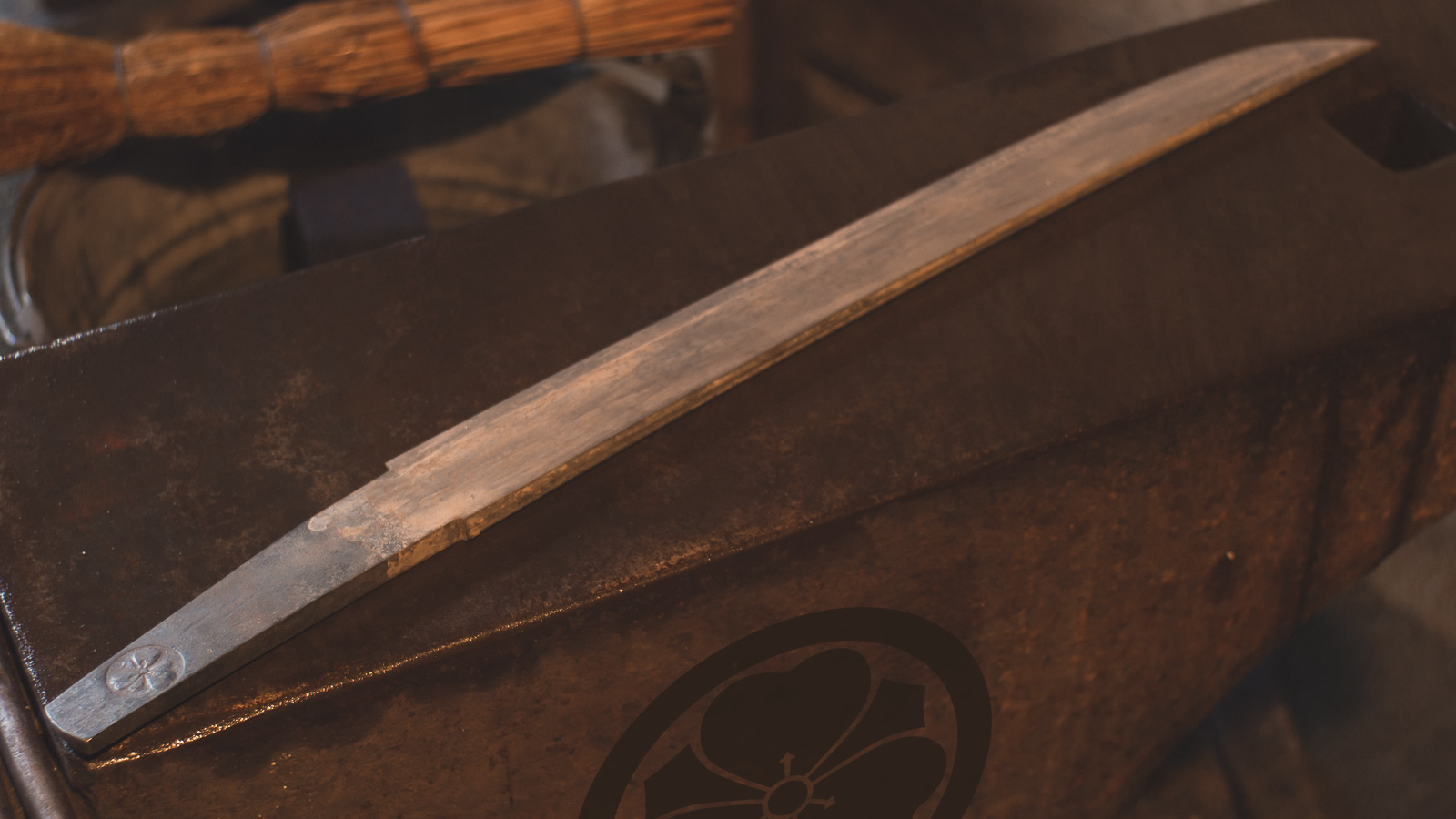
Sunnobi tanto are larger than ordinary tanto (nagasa above 1 shaku) and may have sori similar to ko-wakizashi. Read more about the process of yaki-ire. 1. Using approximately a 1:1:1 mixture of natural clay, polishing stone powder and ground charcoal to mask the back of a hand forged blade about 1-1.5mm thick to slow down…