
-

TimeWarp #9 – Making a Mountain Kotanto
Read about the process of making this knife, learn about the Tools for Satoyama project, or design your own knife.
-

Soulsmithing part 4
Building the fuigo floor at Pierre Nadeau’s workshop. Read more about the project, or watch the whole soulsmithing series. The three major projects during this visit were focused on getting the forge itself ready for use. In this episode, creating a steel frame and wooden floor to support the fuigo and conceal the in-floor heating…
-
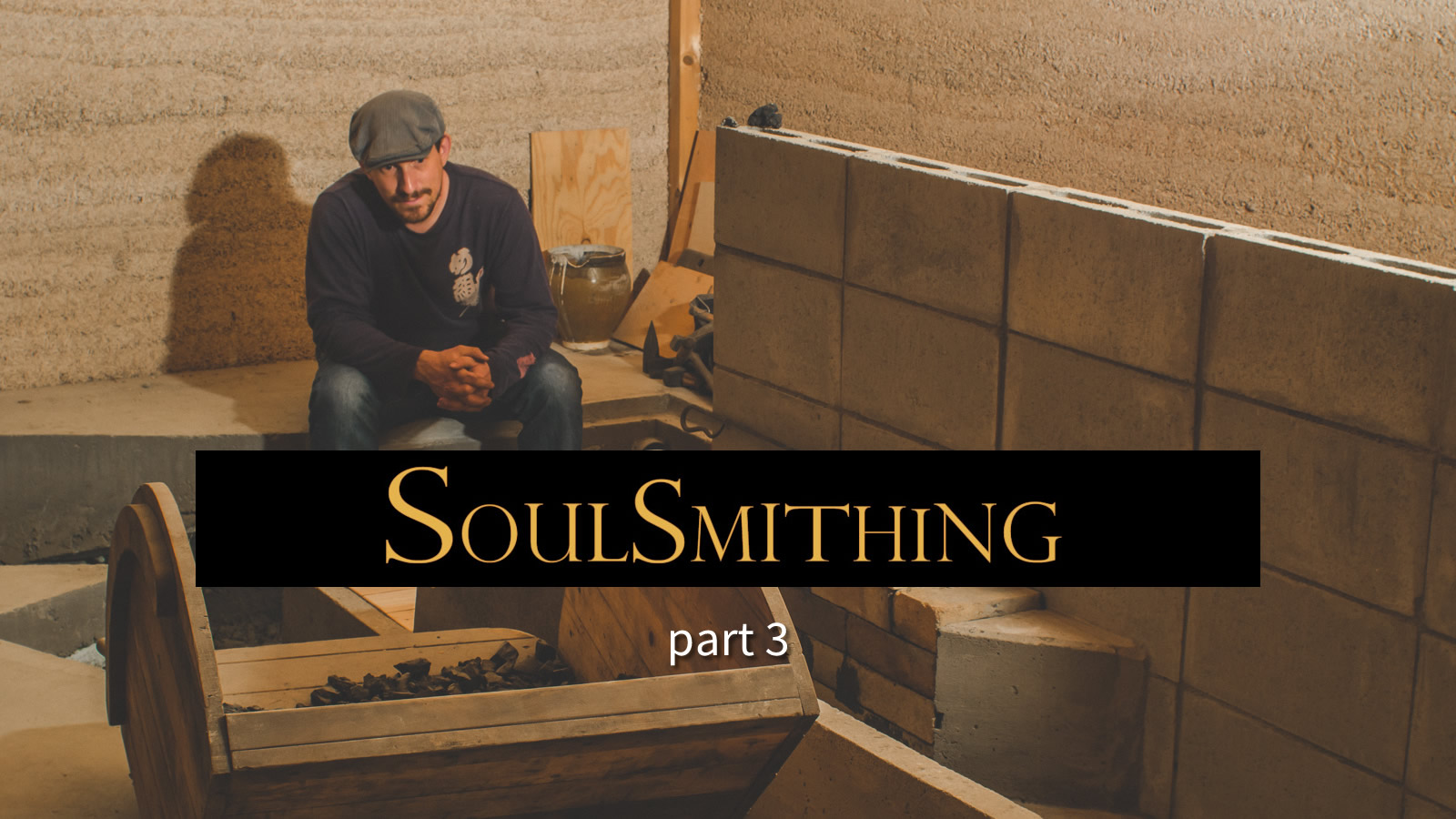
Soulsmithing part 3
Laying bricks for the swordsmithing forge at Pierre Nadeau’s workshop. Read more about the project, or watch the whole soulsmithing series. The three major projects during this visit were focused on getting the forge itself ready for use. In this episode, insulating and laying bricks for the forge. During the long cold Quebec winters, the…
-

An Inside Look at Kobuse Construction
Though the majority of tanto are muku (one-piece construction), after the beginning of the edo period larger swords (katana, wakizashi) are often intentionally constructed of multiple steel components containing differing carbon content. The reason partly stems from the increase in brittleness of steel made from mass-produced tamahagane which began around that time and also from…
-

Soulsmithing part 2
Fabricating a combined fuigo/blower manifold at Pierre Nadeau’s workshop. Read more about the project, or watch the whole soulsmithing series. The three major projects during this visit were focused on getting the forge itself ready for use. In this episode, fabricating a custom manifold for combined fuigo box bellows and electric cage blower. During the…
-
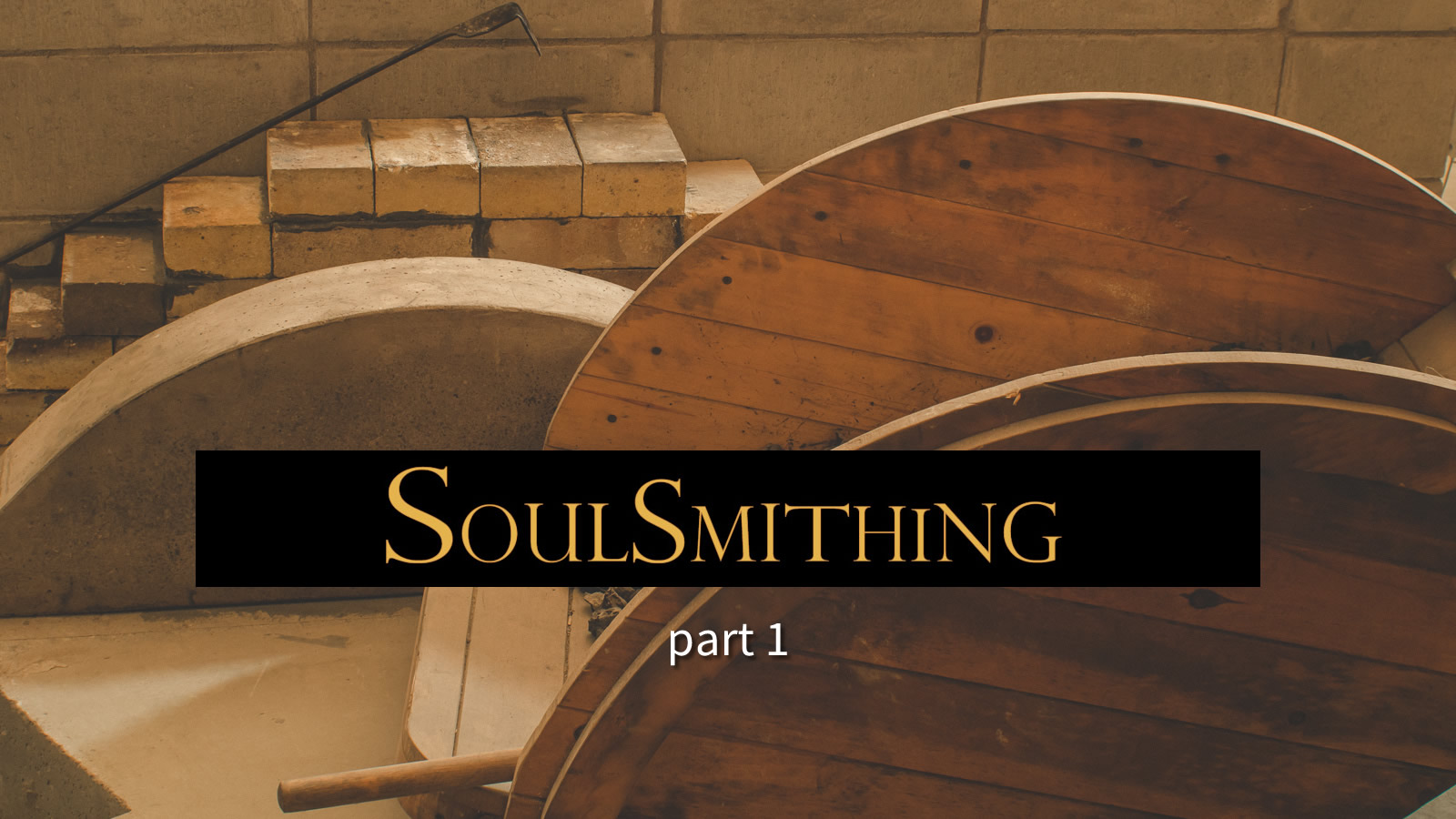
Soulsmithing part 1
I had the honour of being able to observe and assist as Pierre Nadeau of soulsmithing.com works on setting up his new smithy in Canada. The last time I saw Pierre and his wife was when they (and we) were packing to move from Japan in late 2011. Pierre spent several years working as a…
-
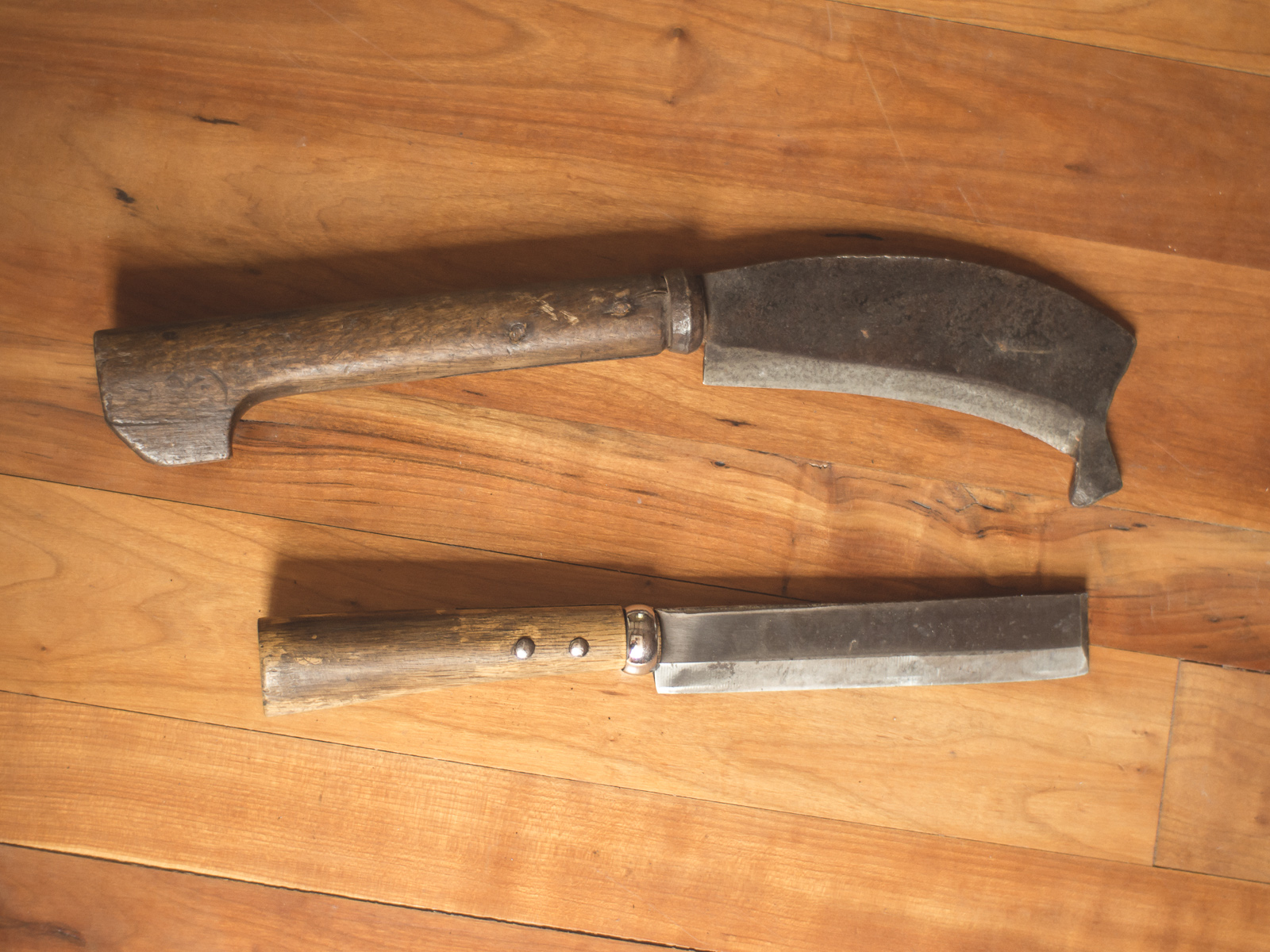
Japan Photo Essay: Antique Nata
This antique nata is in the permanent collection at Soulsmithing and is a lovely example of original handcraft from Japan. This photo essay will reveal some of the beautiful details of this tool for study and appreciation. Nata (屶, “mountain sword”, or 鉈) come in many sizes and shapes, but most fit the description of…
-

Satetsu – testing iron sand, skimboarding bladesmith
Collecting and testing some local iron sand (magnetite/hematite) at the beach using a harddrive magnet. These samples were collected as west coast additions to soulsmith Pierre Nadeau’s satetsu archive. Bonus summer skimboard footage thanks to a couple of good friends who stopped by to enjoy the beach. Additional footage thanks to Dan King and Crow~san,…
-

Process: Making the Mountain Kotanto
The wider profile of the mountain style kotanto is inspired by a kamakura sword and has a more deeply curved tip (fukura-tsuku) and shorter drop point. The simple and humble mounting style is inspired by the age-old style of farming and foresting tools traditionally used in managing satoyama lands. Satoyama are the managed forest areas…
-

SOTW #14 – Making the Mountain Kotanto
Tools for Satoyama project: Design your own knife.
-

Silver Soldering Habaki with a Charcoal Forge & Fuigo
A clip from yesterday’s work: silver soldering a habaki with the charcoal forge & fuigo box bellows. Watch the machigane area and you can see the solder begin to melt and flow around 0:40 until it is pulled out to stop the heating. The fuigo allows very precise air mix and heat control. When soldering…
-

Tanto Forging Practice: Railroad Spike
Hand forging a classical tanto style blade study from a reclaimed railroad spike and a tsuba from the spike head…a serious letter opener? The goal is to use all of the steel efficiently by moving it into place and end up with classical tanto proportions and form. Serious students of the forge can watch the…
-

Forging a Nakago Punch for Making Tsuba
This punch is specifically designed to create nakago-ana (tang opening) in iron or copper tsuba, saving time with a cold chisel and files. The concept is to forge something shaped similar to a tang but with an exaggerated taper for strength. The tool could be hardened but will likely lose its heat treatment during the…
-
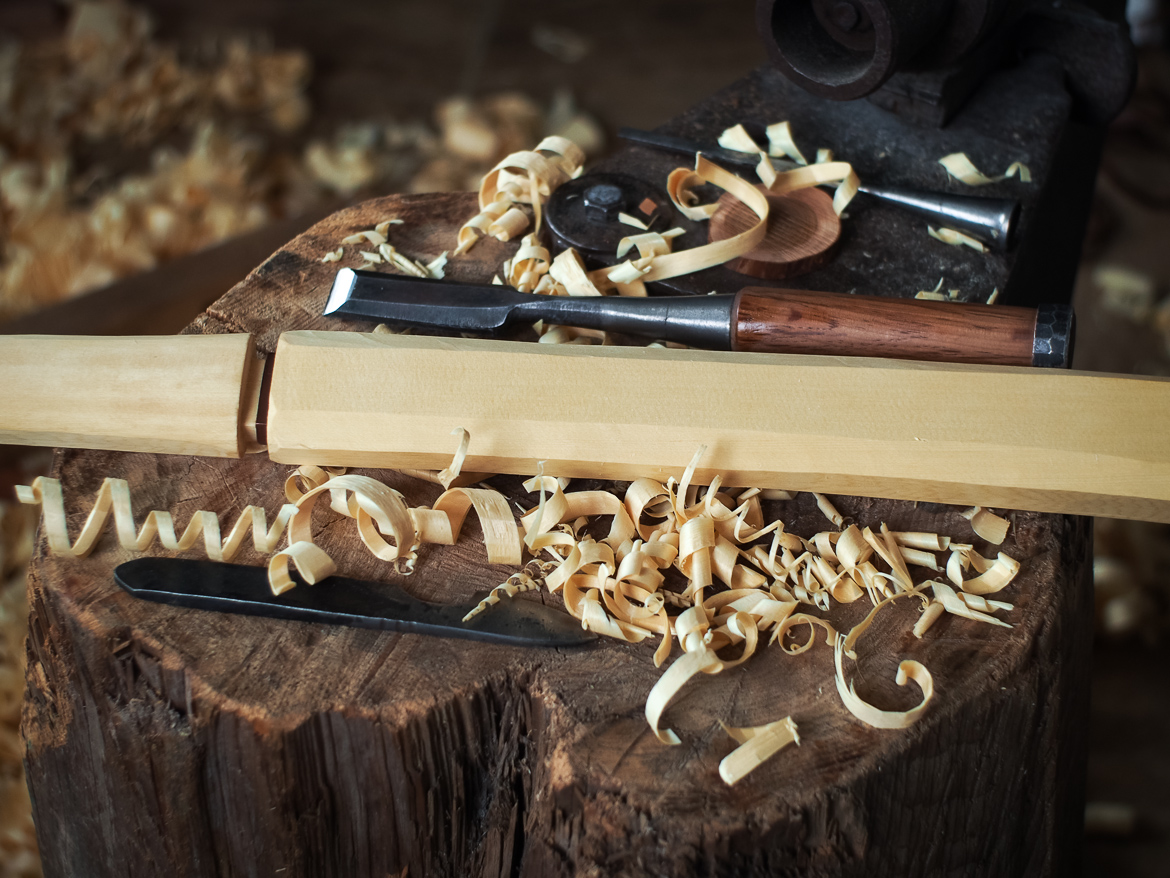
Carving an Aikuchi Tanto Koshirae
Hand carving a classical tanto style mounting from reclaimed and local natural materials using traditional Japanese woodworking tools. A note about the wooden koiguchi: I don’t recommend this method with any wood other than Oceanspray ironwood due to its peculiar strength in cross section…wood (or better, horn) grain should run vertically across the opening to…
-
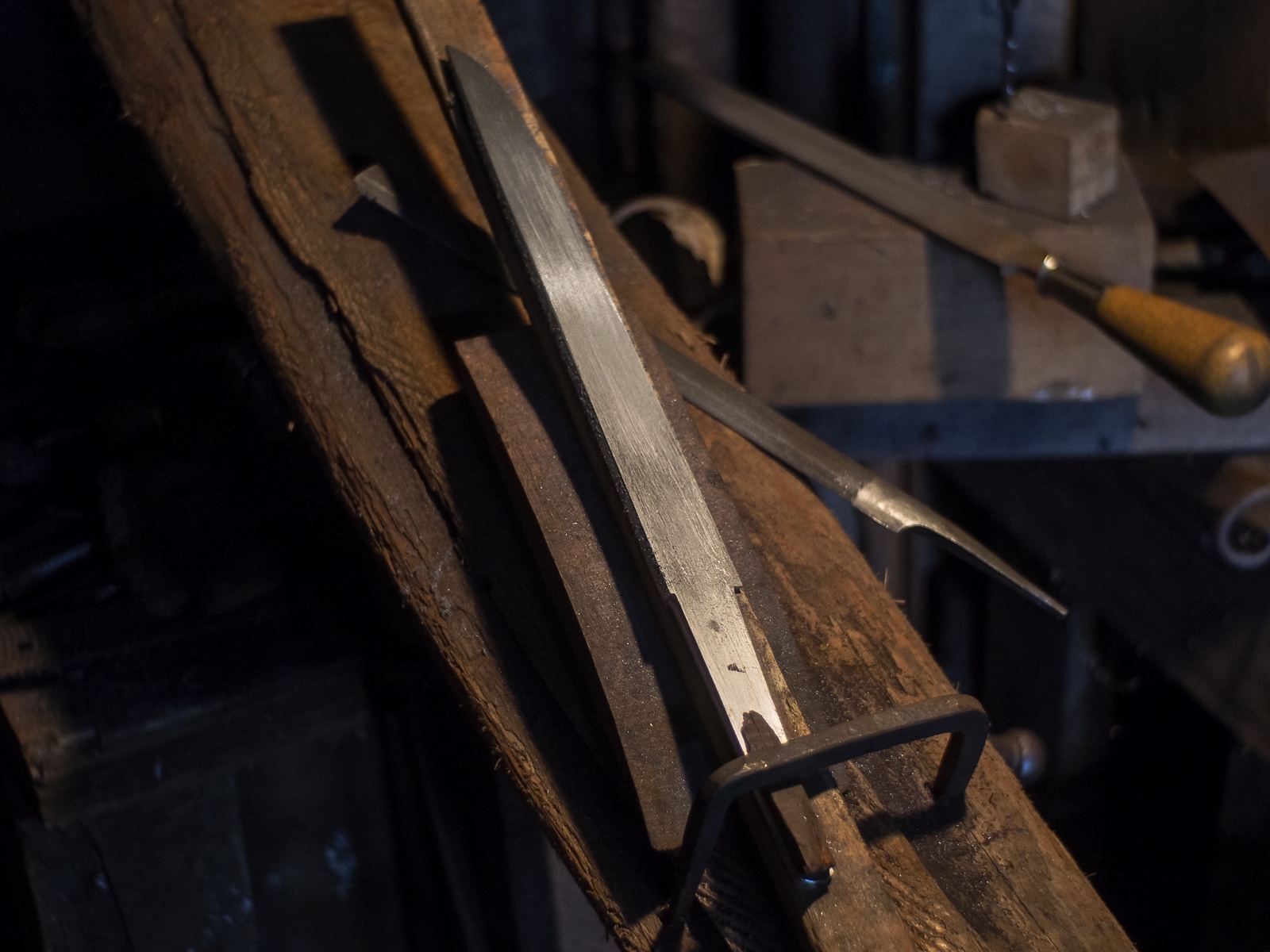
Arashiage – Hand Filing a Forged Tanto
Hand filing a classical tanto style blade forged from half of a reclaimed horse carriage leaf spring. (4x) Arashiage is the rough shaping stage that comes after hizukuri (fire shaping) and before yaki-ire (hardening). Serious students of the forge can read more and watch the full process version here.