
-
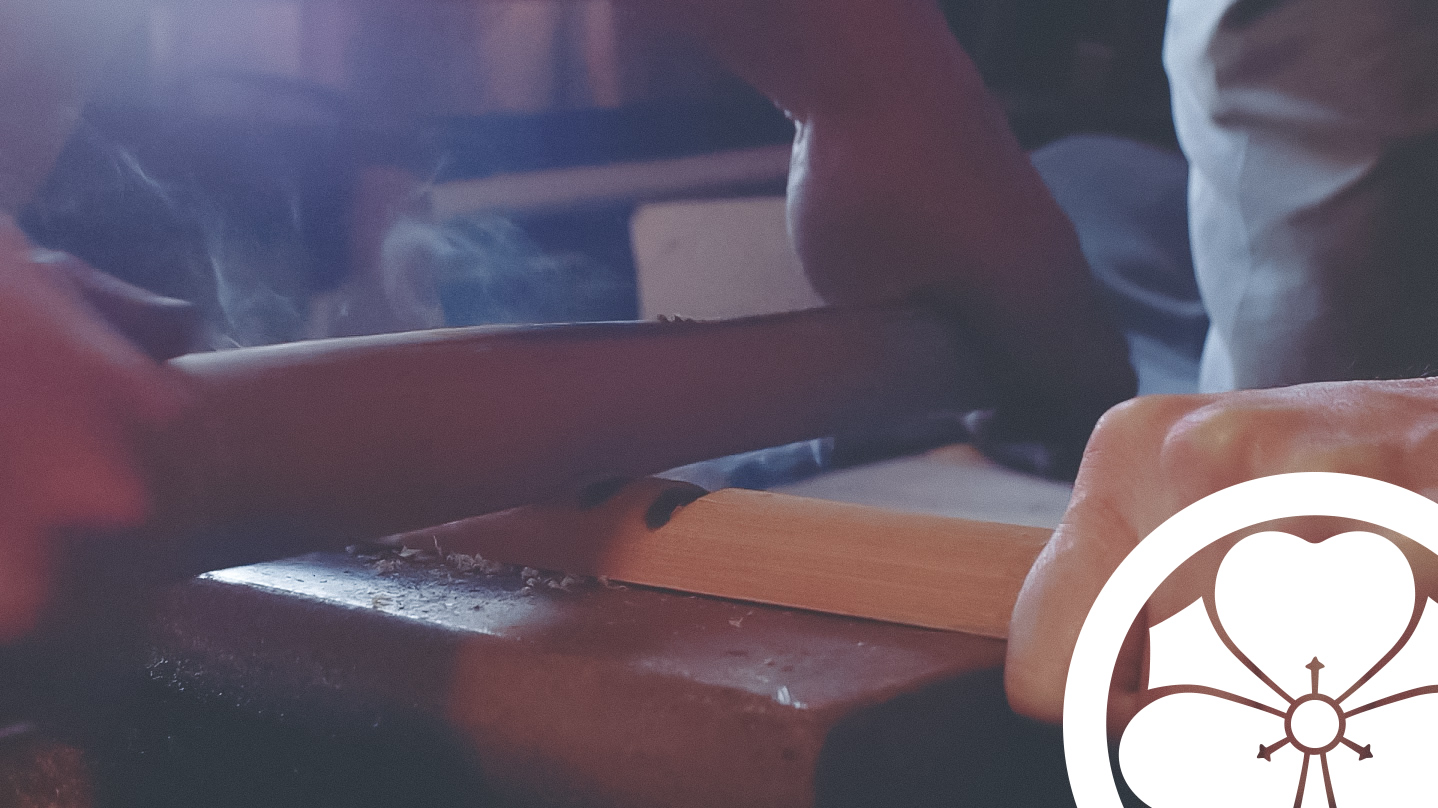
Making Fire with Bamboo – museum forge first lighting
The first night turned out to be quite an event as there were three forges and six blacksmiths/strikers operating in the museum workshop. Thanks to Tim of Reforged Ironworks, and Josh for their energy and charcoal chopping to get the forge up and running, and their assistance swinging the big sledges to finish drifting and…
-

Sumi-kiri – chopping charcoal for bladesmithing
Charcoal is chopped and then processed through four sizes of screen, the largest is for tanren, the second for hizukuri (I tend to use the largest for hizukuri as well and keep the second size mainly for yaki-ire), the third size isn’t useful in daily forging activity but may be crushed into fines or saved…
-

Making 篩 for charcoal screening
Traditional Japanese swordsmithing forges are fueled by softwood charcoal which is first chopped, screened, and sorted into several sizes for different stages of the forging process. The “furui” (篩) or sieve is used to separate different sizes of charcoal during the sumi-kiri process. This one is the smallest mesh of the four, made from window…
-

Making 箕 for charcoal sorting
Traditional Japanese swordsmithing forges are fueled by softwood charcoal which is first chopped, screened, and sorted into several sizes for different stages of the forging process. The winnowing basket shaped “mi” (箕) is used to store and move charcoal between screens during the sumi-kiri process. See the whole museum forge project here.
-
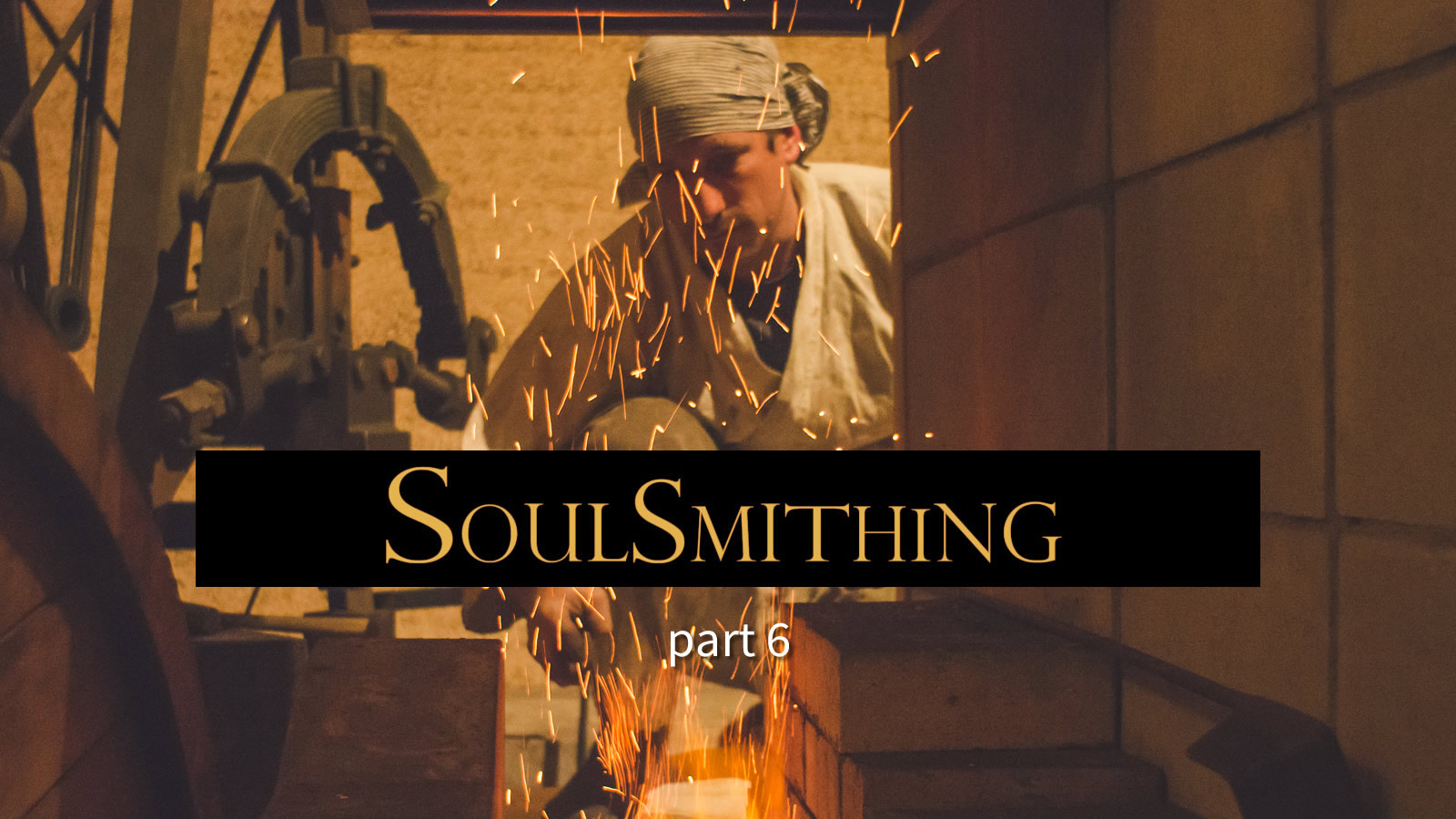
Soulsmithing part 6
Pierre Nadeau of soulsmithing.com lights his new forge in Canada for the first time. I was honoured to be there for the inaugural firing, it felt like a graduation, a major milestone. Pierre will now resume his work and research in the area of traditional Japanese sword craft. Read more about the project, or watch…
-
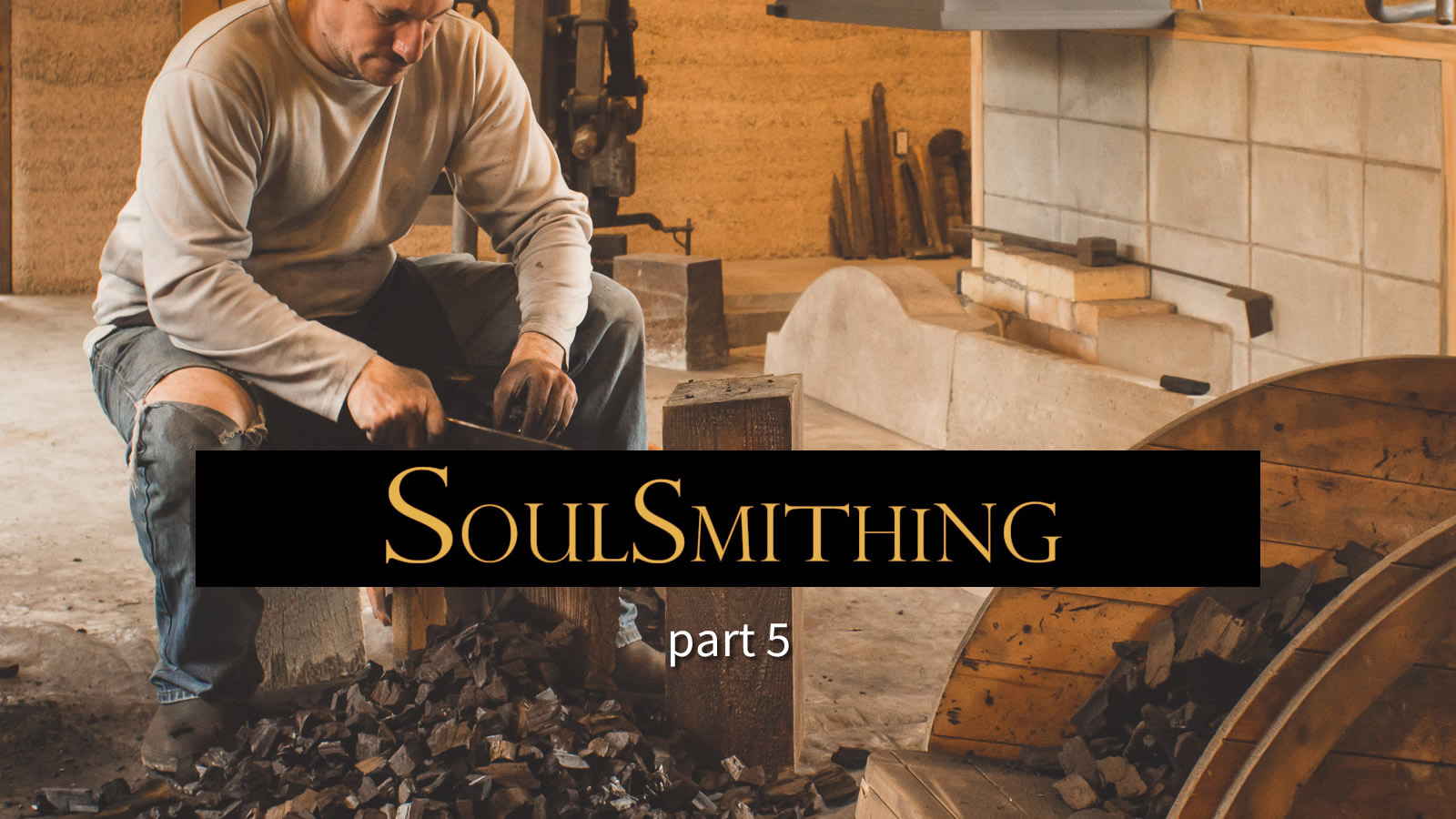
Soulsmithing part 5
Pierre Nadeau of soulsmithing.com prepares to light his new forge in Canada. The focus of this video is sumi-kiri, charcoal chopping, screening, and sorting techniques, and will offer some valuable details for astute observers. Read more about the project, or watch the whole soulsmithing series. The charcoal is chopped and then processed through four sizes…
-

A Tour of Mr. Schrock’s Workshop, c. 1992
Twenty-five years ago today marks my first day working under Mr. Emmanuel A. Schrock in a former livery stable in Ohio’s Amish country and embarking into the world of traditional blacksmithing. The front entrance to the Village Blacksmith Shop. Emmanuel A. Schrock, Blacksmith. The forge and anvil on a typical workday. Looking towards the front…
-

Photo Essay: Antique Wakizashi
Some views of an Edo period wakizashi that is in the shop for a fitment tune-up and mekugi replacement, along with a new sword bag brought from Japan. Thank you to its caretakers for allowing me to contribute to its care and preservation. At almost 400 years old, this sword is unique in that it…
-

Building a Charcoal Tanto Forge
This forge is a scaled down version specifically geared for tanto and smaller knives but has a removable spacer to allow for a larger fire when needed. Details about traditional measurements and clay mixtures here.
-
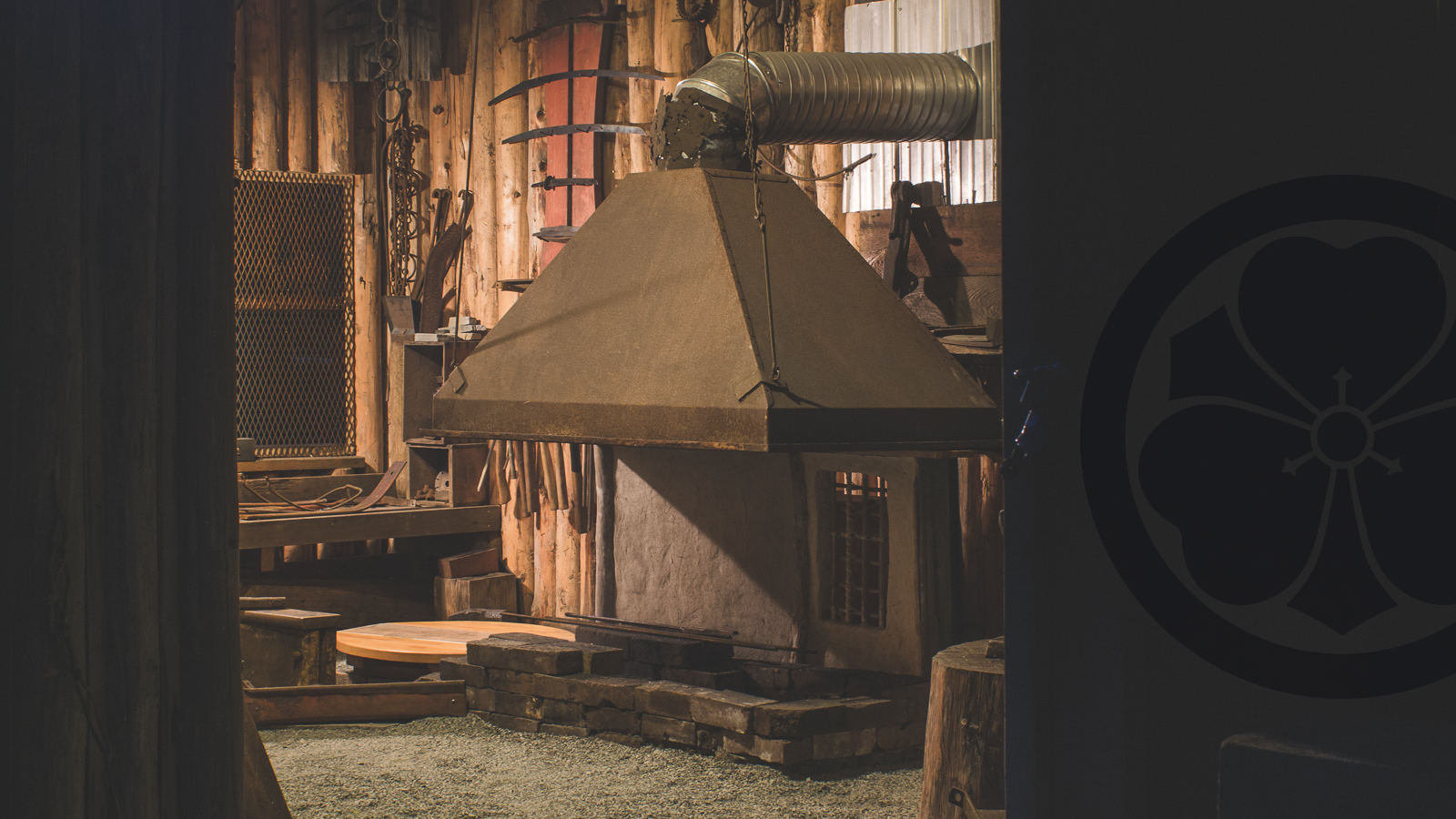
Museum Forge Project
Building western Canada’s only full-sized traditional Japanese style swordsmith forge. See the whole process and more video here.
-

Making a Swordsmith Anvil from Scrap
A Japanese swordsmith style anvil made from junkyard scrap. The two side pieces are cast steel or iron John Deere 8255C rear counterweights from a shovel dozer. They weigh about 200-240lbs each and measure about 2 1/8″ x 14 3/4″ x 25″. There is a ‘T’ shaped face and stem that extends to the ground…
-

Building a Traditional Swordsmith Forge
Traditional Japanese swordsmithing forges are purpose-built with certain design elements specific to the tasks involved in tanren and hizukuri. This article will discuss several of the features that are common to this type of construction and follow the process of crafting a swordsmith’s forge at a museum on Vancouver Island. (see the updated workspace) Most…
-

Testing Scrap Steel for Knife Making
Most of history was forged with steel that had no designated number or specified ingredient list. Historical smiths would interpret the quality and properties of steel based solely on careful observation and simple testing procedures. To this day, Japanese swordsmiths work exclusively with unnumbered steel made with charcoal and iron sand in traditional smelting furnaces.…
-

Inside look at a traditional kaiken mounting
A look inside the carving of a small kaiken tanto mounting (futokoro-gatana) with additional examples from an Edo period tsuka and an even older shirasaya. The omote is the “public side” of a tanto or sword, the side that faces outwards both when being worn and when on display. The edge faces upwards and the…
-

Takedown and Reassembly of Classical Tanto Style Mountings
A demonstration on the takedown and assembly of classical tanto style knives. Also some views of the finished work and a second/third time around with some additional information for clients. Properly cared for and maintained, a classical tanto will last for a lifetime and longer. Never pull or jerk the blade out with the power…