
-

Sumi-kiri – chopping charcoal for bladesmithing
Charcoal is chopped and then processed through four sizes of screen, the largest is for tanren, the second for hizukuri (I tend to use the largest for hizukuri as well and keep the second size mainly for yaki-ire), the third size isn’t useful in daily forging activity but may be crushed into fines or saved…
-

Making 篩 for charcoal screening
Traditional Japanese swordsmithing forges are fueled by softwood charcoal which is first chopped, screened, and sorted into several sizes for different stages of the forging process. The “furui” (篩) or sieve is used to separate different sizes of charcoal during the sumi-kiri process. This one is the smallest mesh of the four, made from window…
-

Making 箕 for charcoal sorting
Traditional Japanese swordsmithing forges are fueled by softwood charcoal which is first chopped, screened, and sorted into several sizes for different stages of the forging process. The winnowing basket shaped “mi” (箕) is used to store and move charcoal between screens during the sumi-kiri process. See the whole museum forge project here.
-
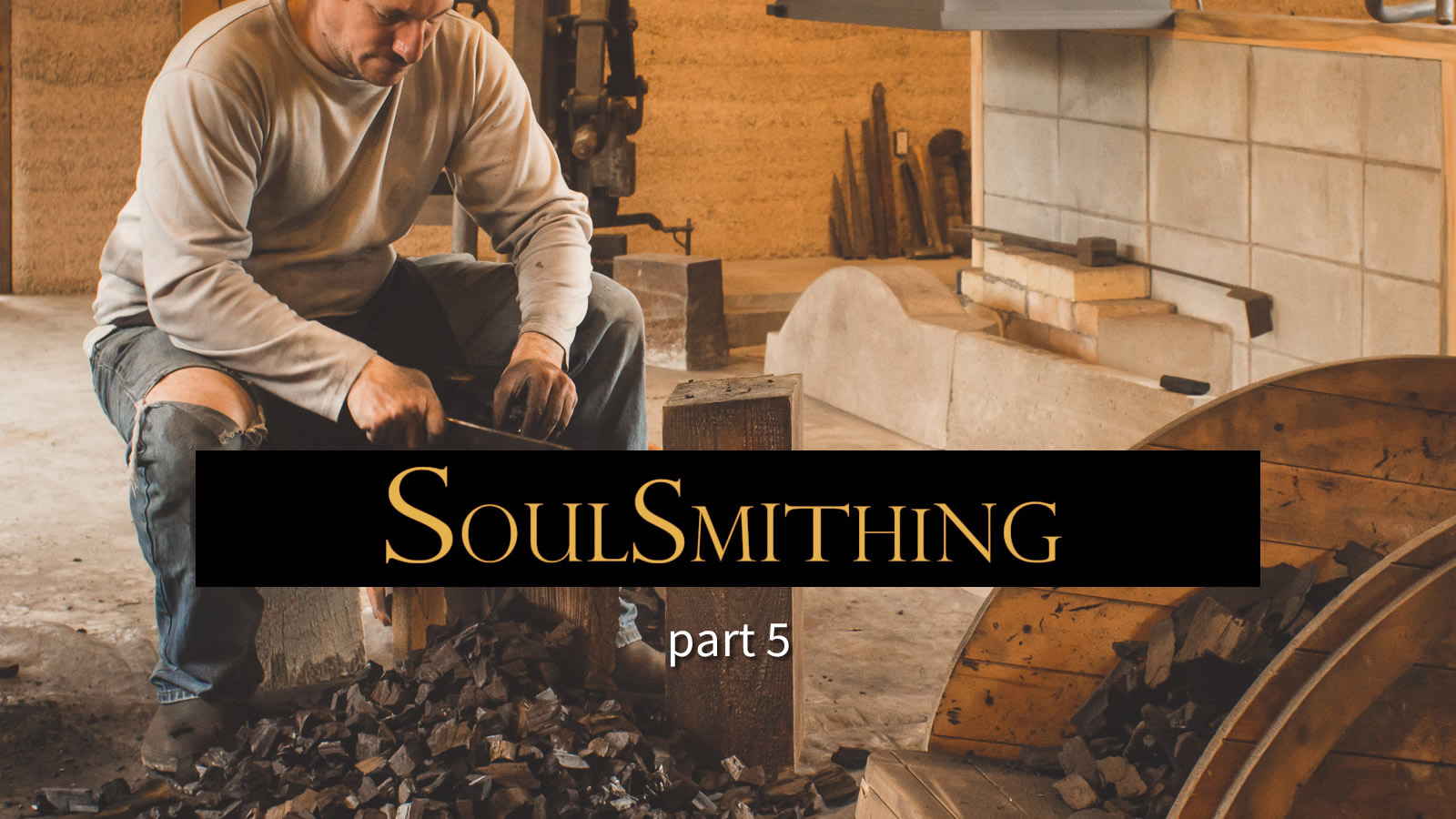
Soulsmithing part 5
Pierre Nadeau of soulsmithing.com prepares to light his new forge in Canada. The focus of this video is sumi-kiri, charcoal chopping, screening, and sorting techniques, and will offer some valuable details for astute observers. Read more about the project, or watch the whole soulsmithing series. The charcoal is chopped and then processed through four sizes…
-

Building a Charcoal Tanto Forge
This forge is a scaled down version specifically geared for tanto and smaller knives but has a removable spacer to allow for a larger fire when needed. Details about traditional measurements and clay mixtures here.
-
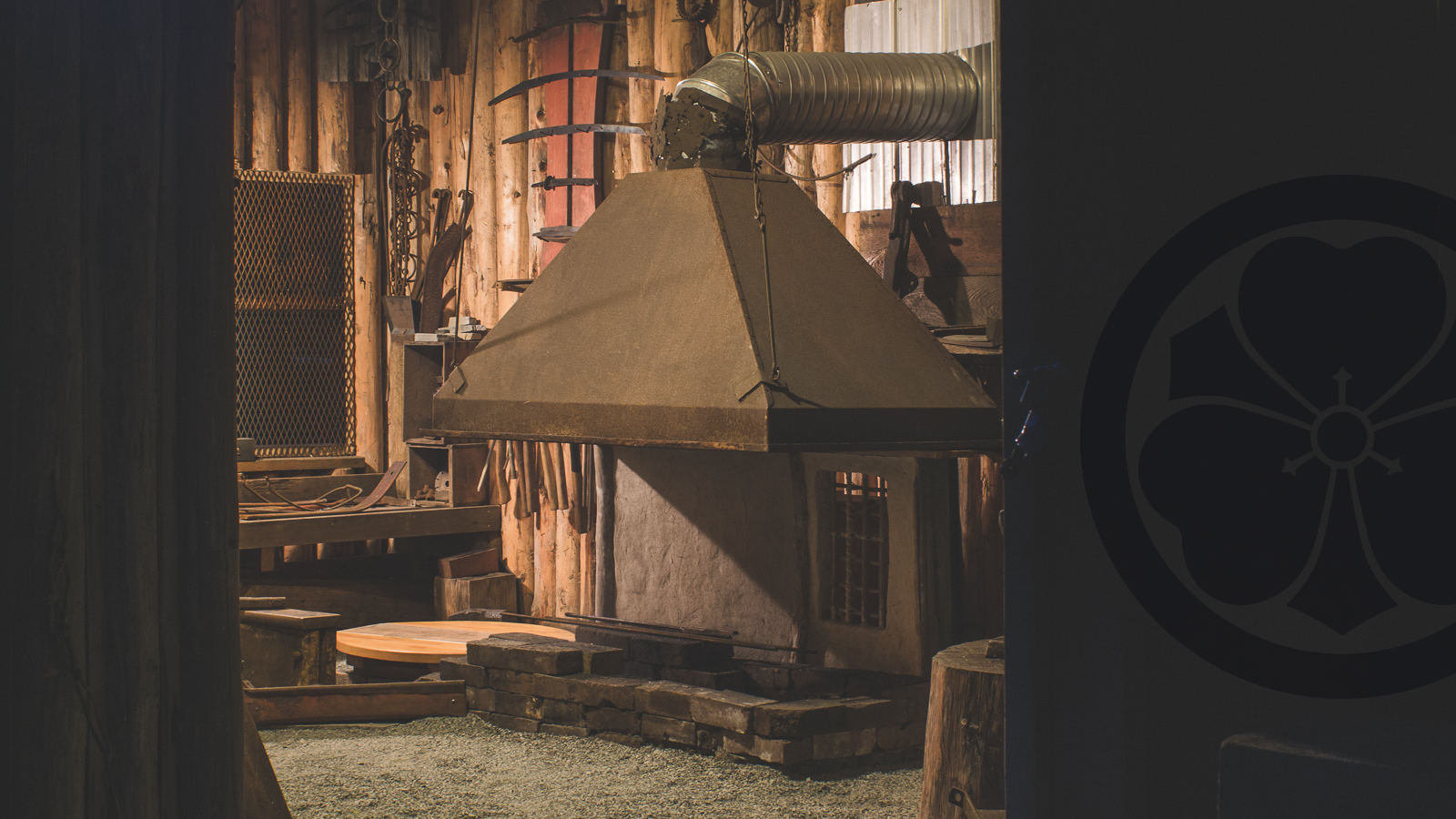
Museum Forge Project
Building western Canada’s only full-sized traditional Japanese style swordsmith forge. See the whole process and more video here.
-

Making a Swordsmith Anvil from Scrap
A Japanese swordsmith style anvil made from junkyard scrap. The two side pieces are cast steel or iron John Deere 8255C rear counterweights from a shovel dozer. They weigh about 200-240lbs each and measure about 2 1/8″ x 14 3/4″ x 25″. There is a ‘T’ shaped face and stem that extends to the ground…
-

Building a Traditional Swordsmith Forge
Traditional Japanese swordsmithing forges are purpose-built with certain design elements specific to the tasks involved in tanren and hizukuri. This article will discuss several of the features that are common to this type of construction and follow the process of crafting a swordsmith’s forge at a museum on Vancouver Island. (see the updated workspace) Most…
-

Soulsmithing part 4
Building the fuigo floor at Pierre Nadeau’s workshop. Read more about the project, or watch the whole soulsmithing series. The three major projects during this visit were focused on getting the forge itself ready for use. In this episode, creating a steel frame and wooden floor to support the fuigo and conceal the in-floor heating…
-
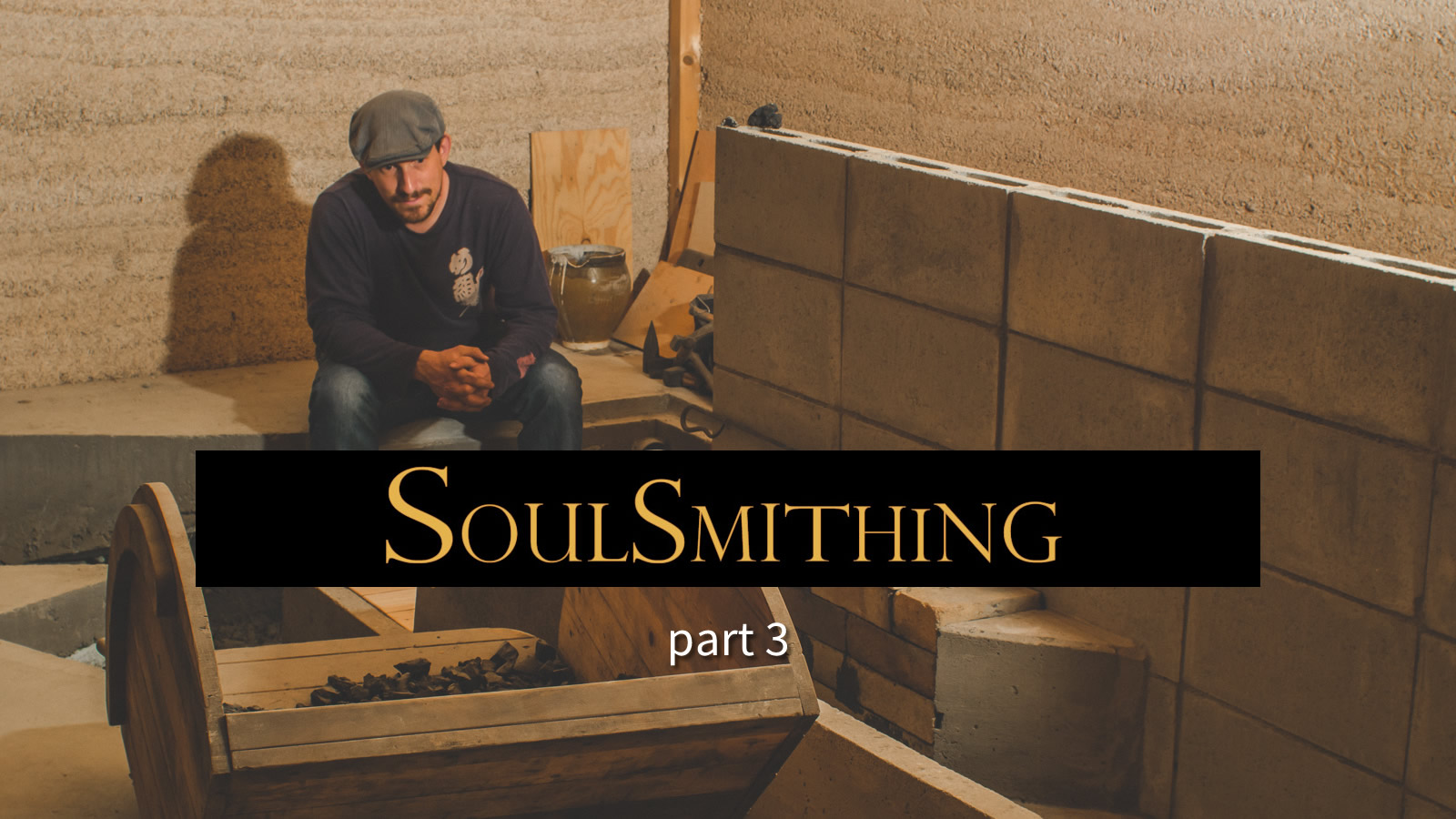
Soulsmithing part 3
Laying bricks for the swordsmithing forge at Pierre Nadeau’s workshop. Read more about the project, or watch the whole soulsmithing series. The three major projects during this visit were focused on getting the forge itself ready for use. In this episode, insulating and laying bricks for the forge. During the long cold Quebec winters, the…
-

Soulsmithing part 2
Fabricating a combined fuigo/blower manifold at Pierre Nadeau’s workshop. Read more about the project, or watch the whole soulsmithing series. The three major projects during this visit were focused on getting the forge itself ready for use. In this episode, fabricating a custom manifold for combined fuigo box bellows and electric cage blower. During the…
-
Soulsmithing part 1
I had the honour of being able to observe and assist as Pierre Nadeau of soulsmithing.com works on setting up his new smithy in Canada. The last time I saw Pierre and his wife was when they (and we) were packing to move from Japan in late 2011. Pierre spent several years working as a…
-

Making a Bamboo Water Scoop for Water Forging
Forging with a thin film of water on the anvil and hammer prevents forge scale or oxide from being hammered into the surface of the steel. The hot steel instantly vaporizes the water and the resulting steam explosion blows the scale off of the work, keeping it clean as it is worked. This type of…
-
You Need A Swordsmith’s Fuigo Box Bellows
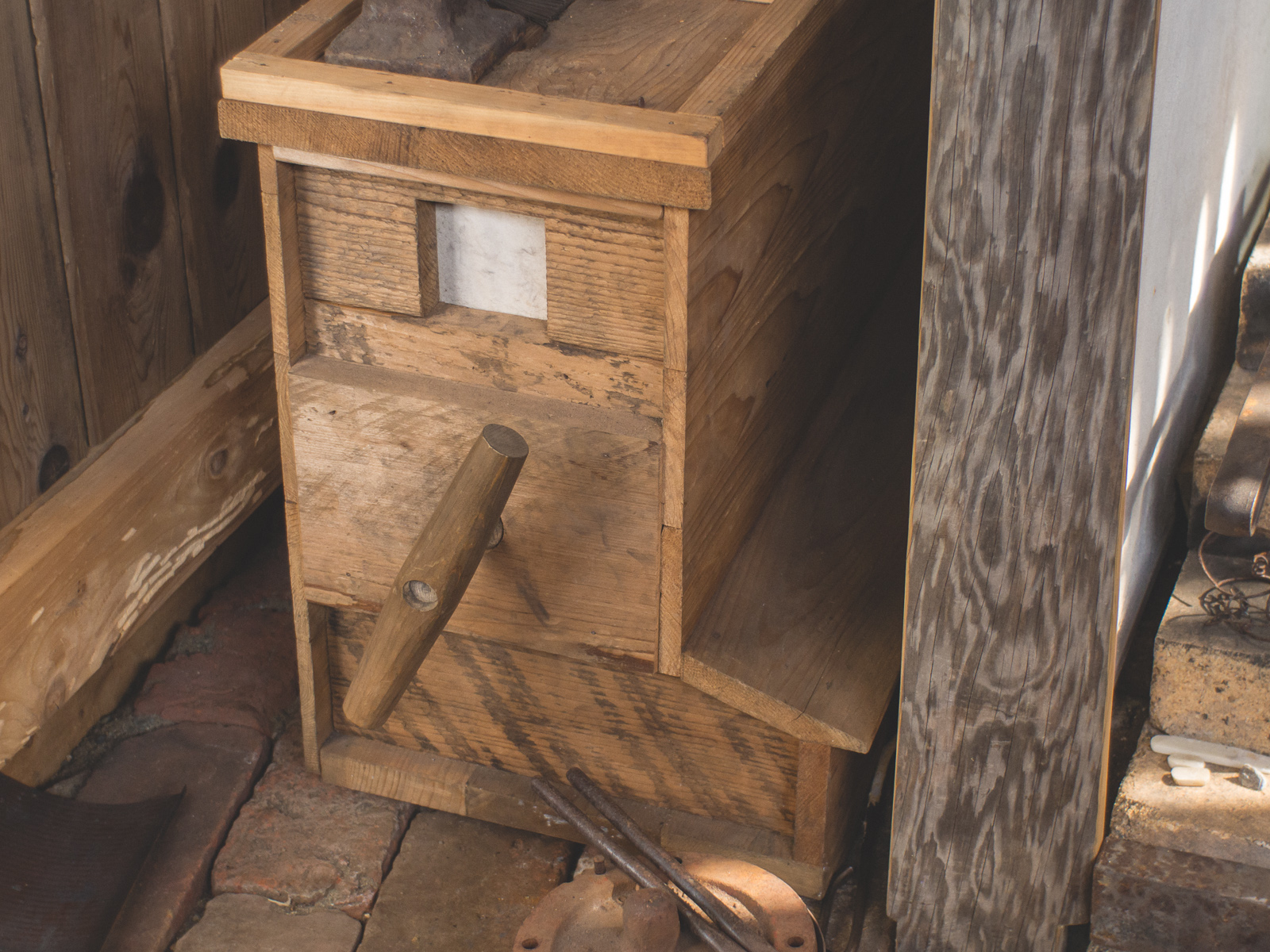
Japanese style box bellows (fukisashi/吹差鞴) reached their current and finalized form by about the sixth century. They are constructed almost entirely of wood and allow a smith to supply a highly controlled air blast to the forge by pulling and pushing the handle slowly back and forth. Using dual chambers and two sets of valves,…
-
Post Drill Repaired
Another piece of Canadian history is restored to working order and finds its place in the Island Blacksmith workflow. I have had an old hand powered post drill for about twenty years now, but have never made a hole with it. My long term list of things to do included refitting a modern keyed chuck…