
-

Rover Field Kotanto
The first completed rover kotanto of 2025, a charcoal-forged 1965 Series 2a Land Rover leaf spring steel blade, water quenched with clay and sharpened with waterstones, an outdoor knife that has the foundation of the Japanese sword but is finished in the simple and humble style of farming and foresting tools of centuries ago. Satoyama…
-

A Tale of Two Kotanto
An interesting opportunity to study the details and differences with two very similar kotanto in the same place at one time. The materials and construction are almost identical other than the blade steel and profile and a slight colour variation. The lighter coloured one was made from file steel and the darker one from 1965…
-

Rover Mountain Kotanto
The first completed Rover kotanto, a charcoal-forged 1965 Series 2a Land Rover leaf spring steel blade, water quenched with clay and sharpened with waterstones, an outdoor knife that has the foundation of the Japanese sword but is finished in the simple and humble style of farming and foresting tools of centuries ago. Satoyama are the…
-

Forging Adventure
One of the current projects at the Parksville Museum forge involves hand crafting knives from series Land Rover leaf springs––a tool for adventure made from a vehicle for adventure! Series spring steel has not changed spec since the first run in 1948 and even today replacements are made with the same composition. The projects shown…
-

Japan Countryside
A curated collection of views from the countryside of Japan in early spring. The mist can be heavy in the mornings and the days are still cool but the sun is beginning to warm the earth. There are a few spring greens but most of the winter colours remain. Plum blossoms are out, sakura have…
-
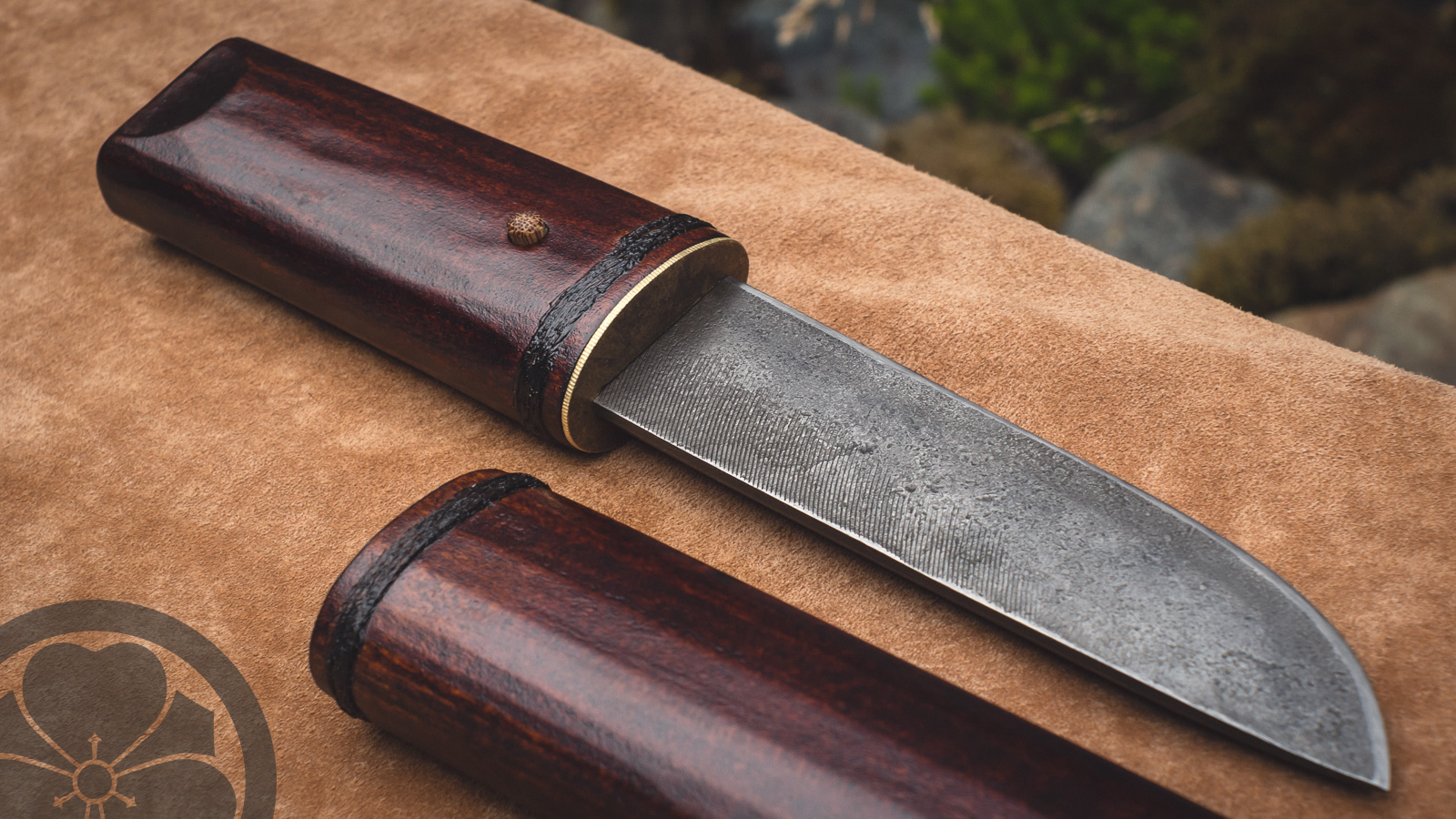
Kominka Mountain Kotanto
The core of this project is a charcoal-forged blade, water quenched with clay and sharpened with waterstones, an outdoor knife that has the foundation of the Japanese sword but is finished in the simple and humble style of farming and foresting tools of centuries ago. Satoyama are the managed forest areas that border the cultivated…
-

Kominka Field Kotanto
This project was a unique opportunity to work with legacy materials to craft a useful tool that is already an heirloom. A charcoal-forged blade, water quenched with clay and sharpened with waterstones, an outdoor knife that has the foundation of the Japanese sword, finished in the simple and humble style of farming and foresting tools…
-
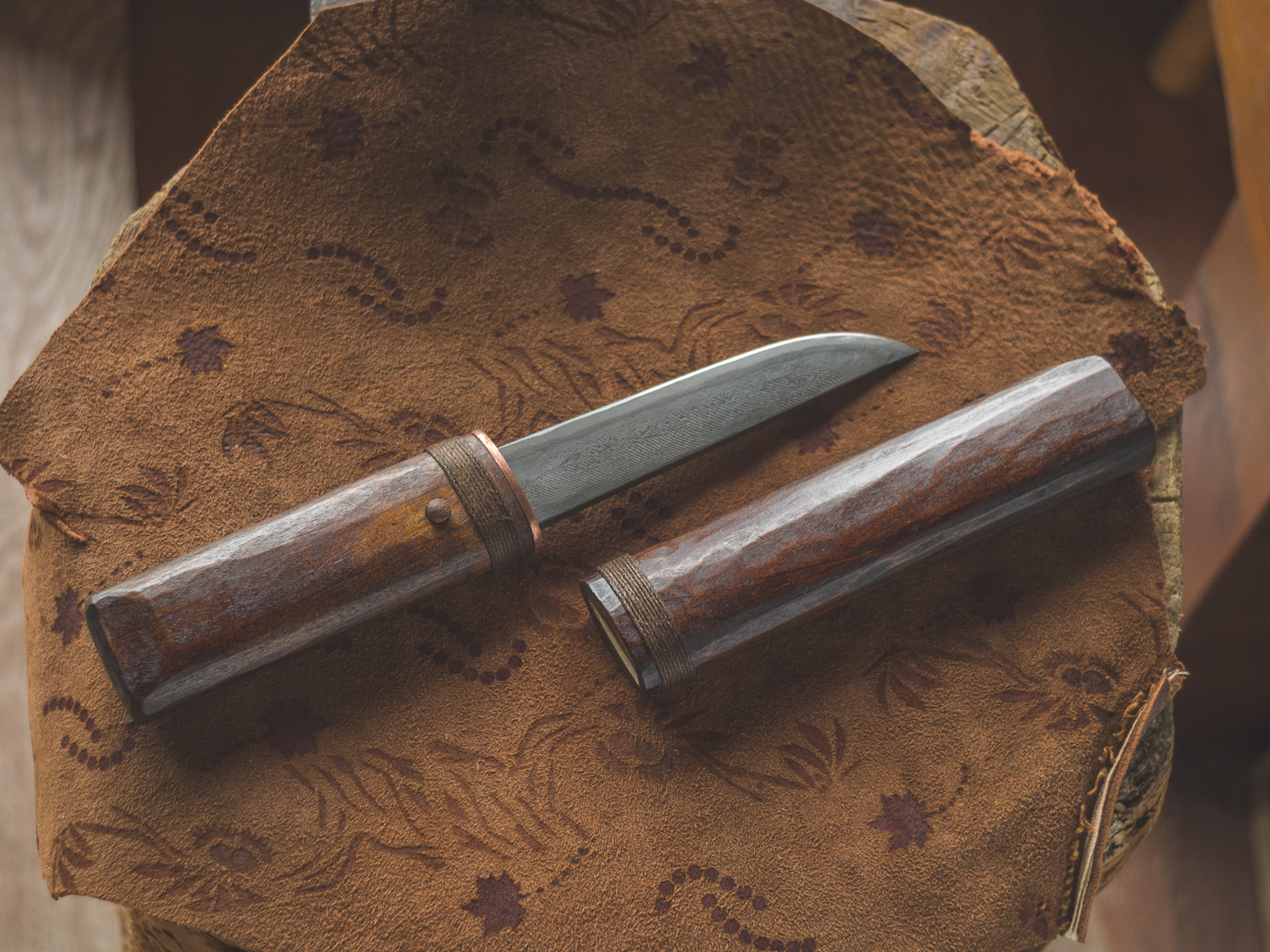
Kominka Forest Kotanto
The core of this project is a charcoal-forged blade, water quenched with clay and sharpened with waterstones, an outdoor knife that has the foundation of the Japanese sword but is finished in the simple and humble style of farming and foresting tools of centuries ago. Satoyama are the managed forest areas that border the cultivated…
-
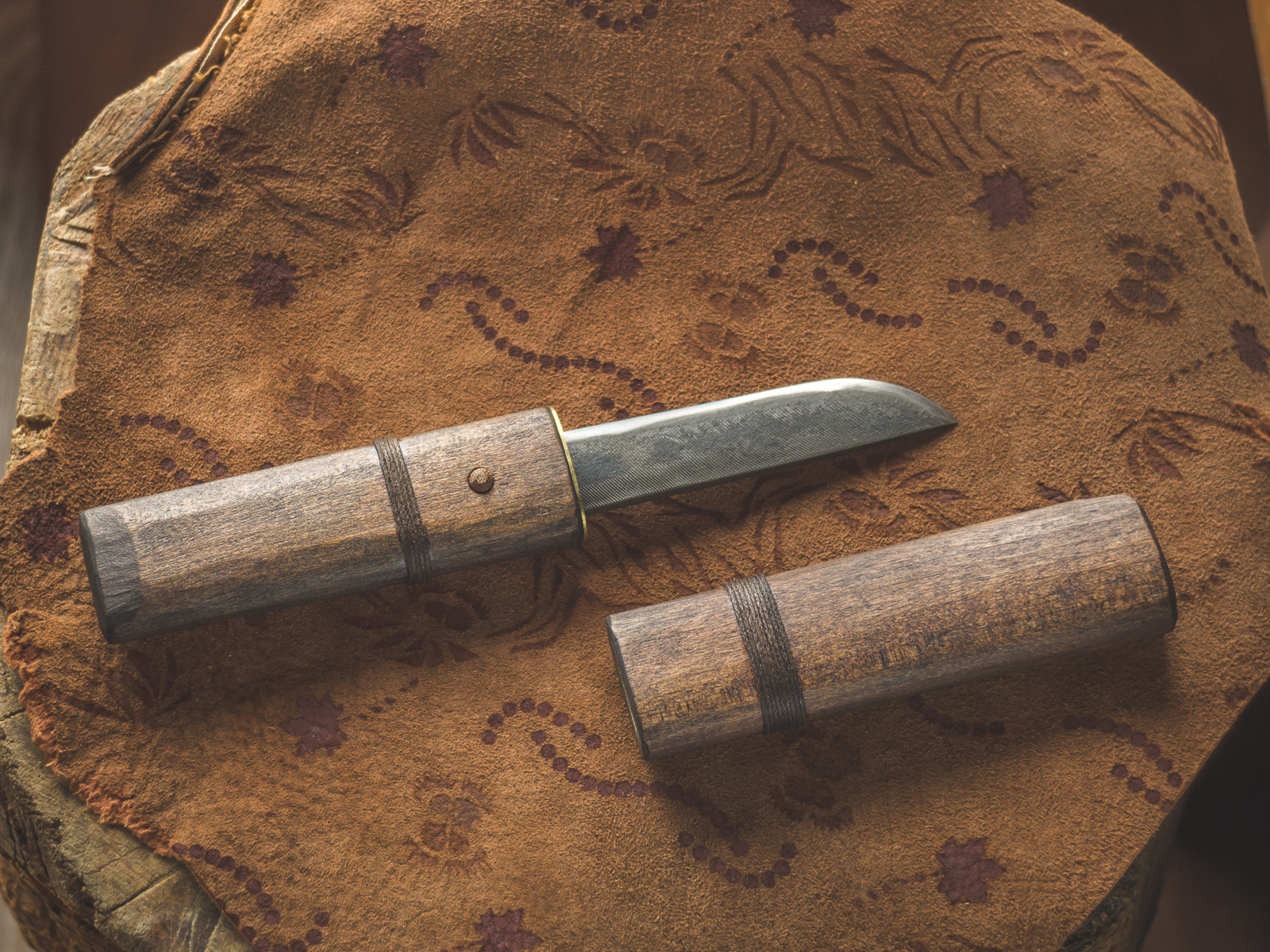
Kominka Field Kotanto
The core of this project is a charcoal-forged blade, water quenched with clay and sharpened with waterstones, an outdoor knife that has the foundation of the Japanese sword but is finished in the simple and humble style of farming and foresting tools of centuries ago. Satoyama are the managed forest areas that border the cultivated…
-

Kominka Stream Kotanto
The core of this project is a charcoal-forged blade, water quenched with clay and sharpened with waterstones, an outdoor knife that has the foundation of the Japanese sword but is finished in the simple and humble style of farming and foresting tools of centuries ago. Satoyama are the managed forest areas that border the cultivated…
-
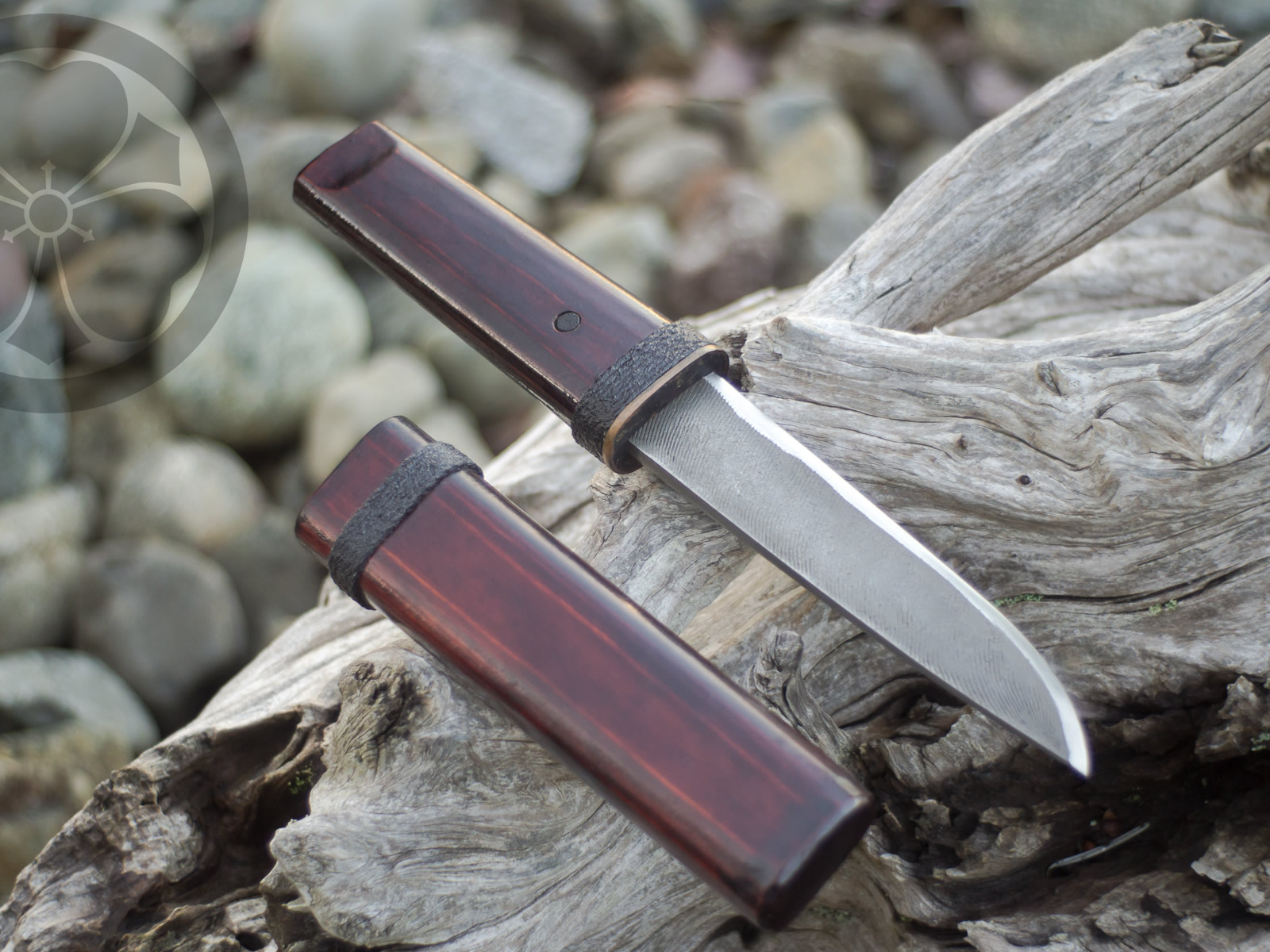
Forest Kotanto
A clay tempered blade hand forged in a charcoal fire, water quenched with clay, sharpened with waterstones, and finished simply and humbly in the age-old style of farming and foresting tools traditionally used in managing satoyama lands. Satoyama are the managed forest areas that border the cultivated fields and the mountain wilds in Japan. Historically…
-
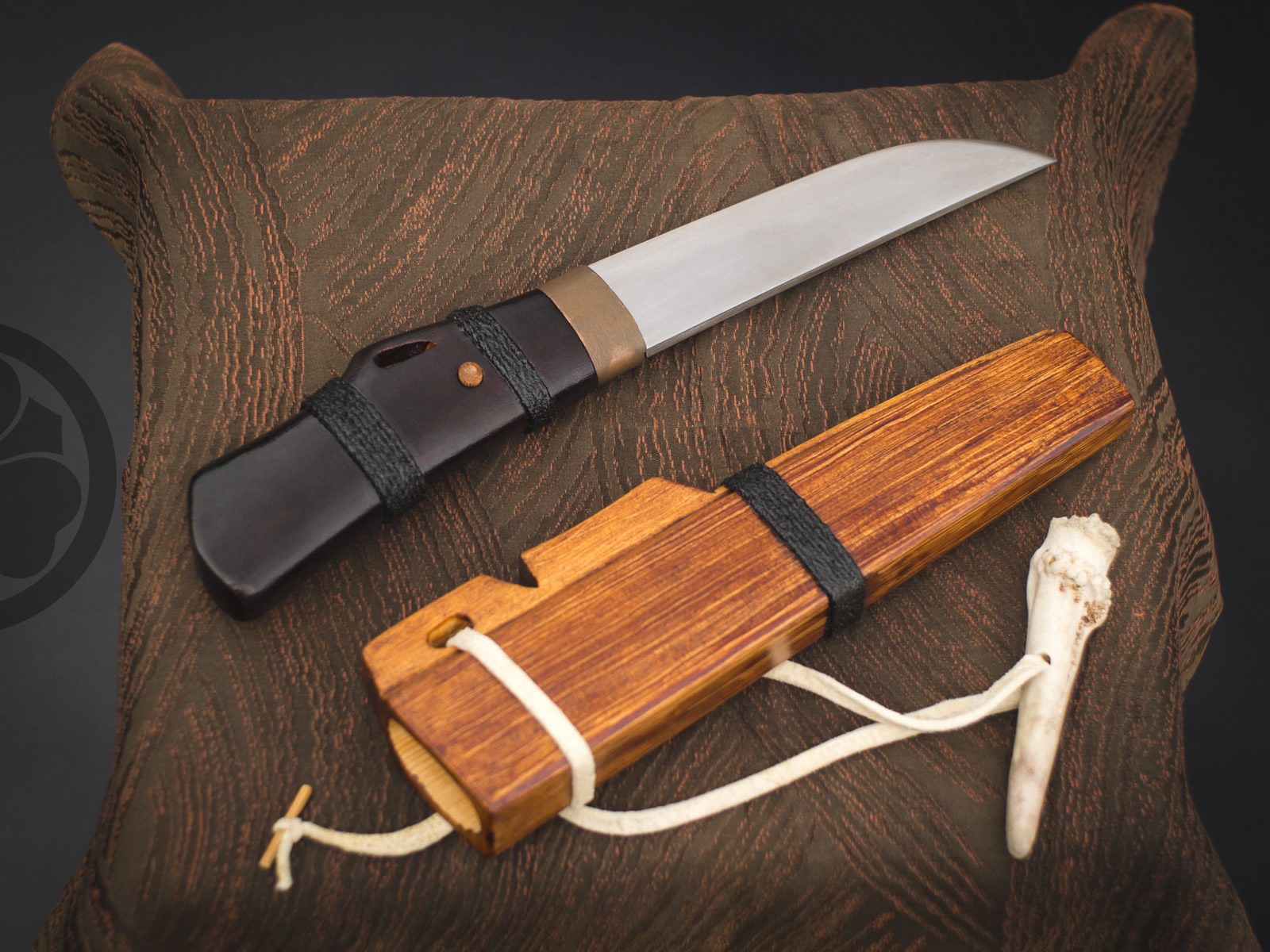
Makiri Style Kotanto
The makiri is one of the traditional knife patterns of the Ainu, an indigenous people of Japan. Makiri are generally mid-sized utility knives and are hung from a belt by a lanyard. They are mounted with wooden handles and scabbards and may be decorated with carvings or incisions, often added by the owner. The most…