
-

温故知新・On Ko Chi Shin
A true and accurate understanding of the past is an important step towards a good future. 温故知新 (on ko chi shin) is an expression that most directly translates to, “study the old to know the new”. This one-of-a-kind project represents the current progression of my work based on the study and practice of historical techniques,…
-

TimeWarp #10 – Forging Habaki for a Tanto
Making a habaki from reclaimed copper. Material is scrap copper from an electrical bus bar, forged and bent to shape, silver brazed with hard silver solder in the charcoal forge with fuigo, finish work done with files and rasps. Watch the full length process edit here.
-

Aikuchi Tanto Koshirae
A custom koshirae for a small antique tanto blade belonging to a client. Crimson lacquered samegawa handle, fukiurushi horn fittings, a silver mekugi, and polished black lacquer scabbard in a classical aikuchi style. Materials for the custom red and black aikuchi style koshirae mounting include lacquered samegawa over hounoki (朴の木, japanese bigleaf magnolia/magnolia obovata) for…
-
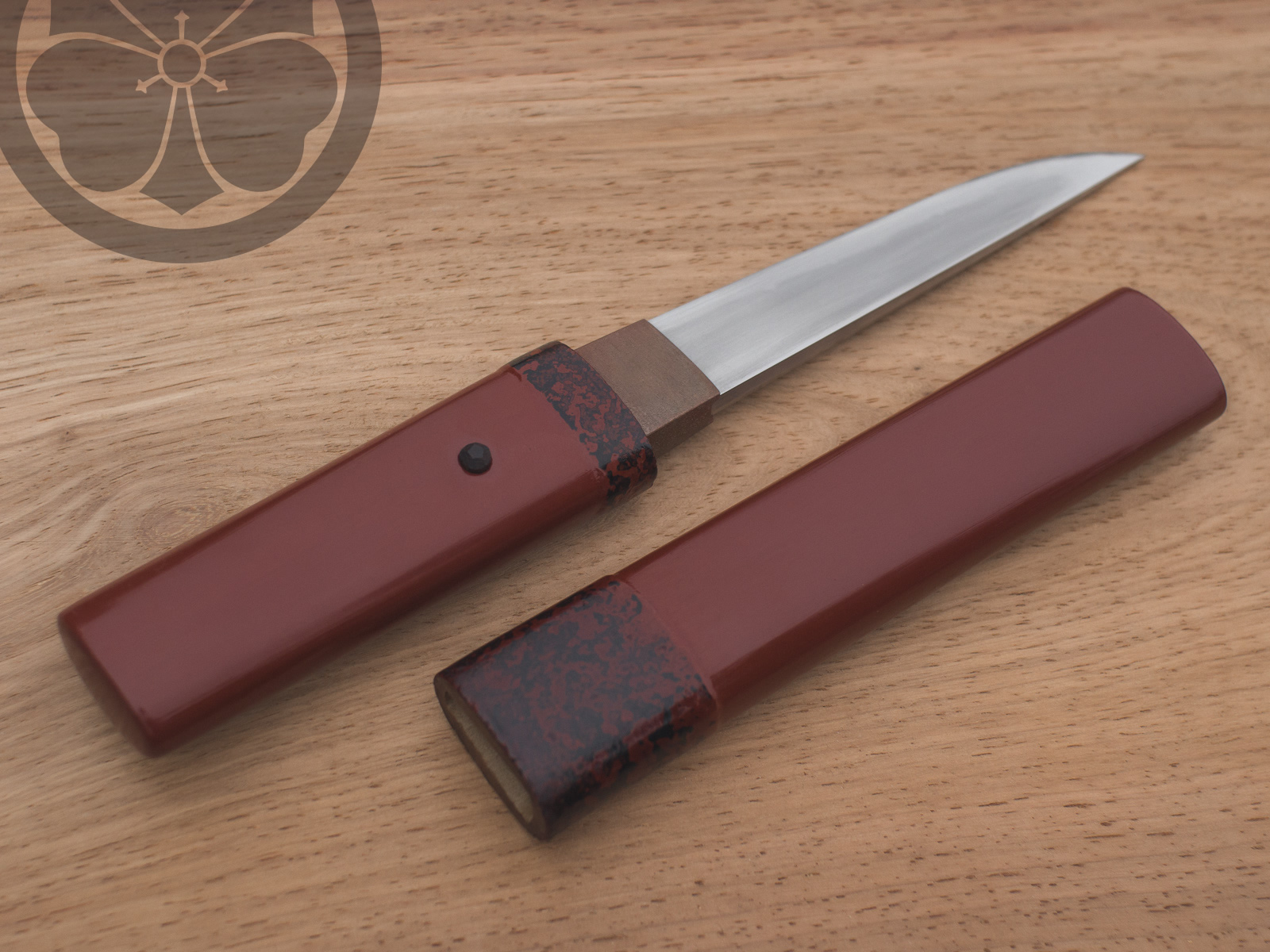
Process: Making a Futokorogatana
Futokorogatana (懐刀) is translated as “clothing fold sword” and describes a type of tanto mounting meant to be carried in the kimono sleeve or fold. Also known as kaiken, this humble style of hidden mounting is usually unadorned with a smooth profile and lacquer finish. This knife would historically be carried for last chance survival…
-
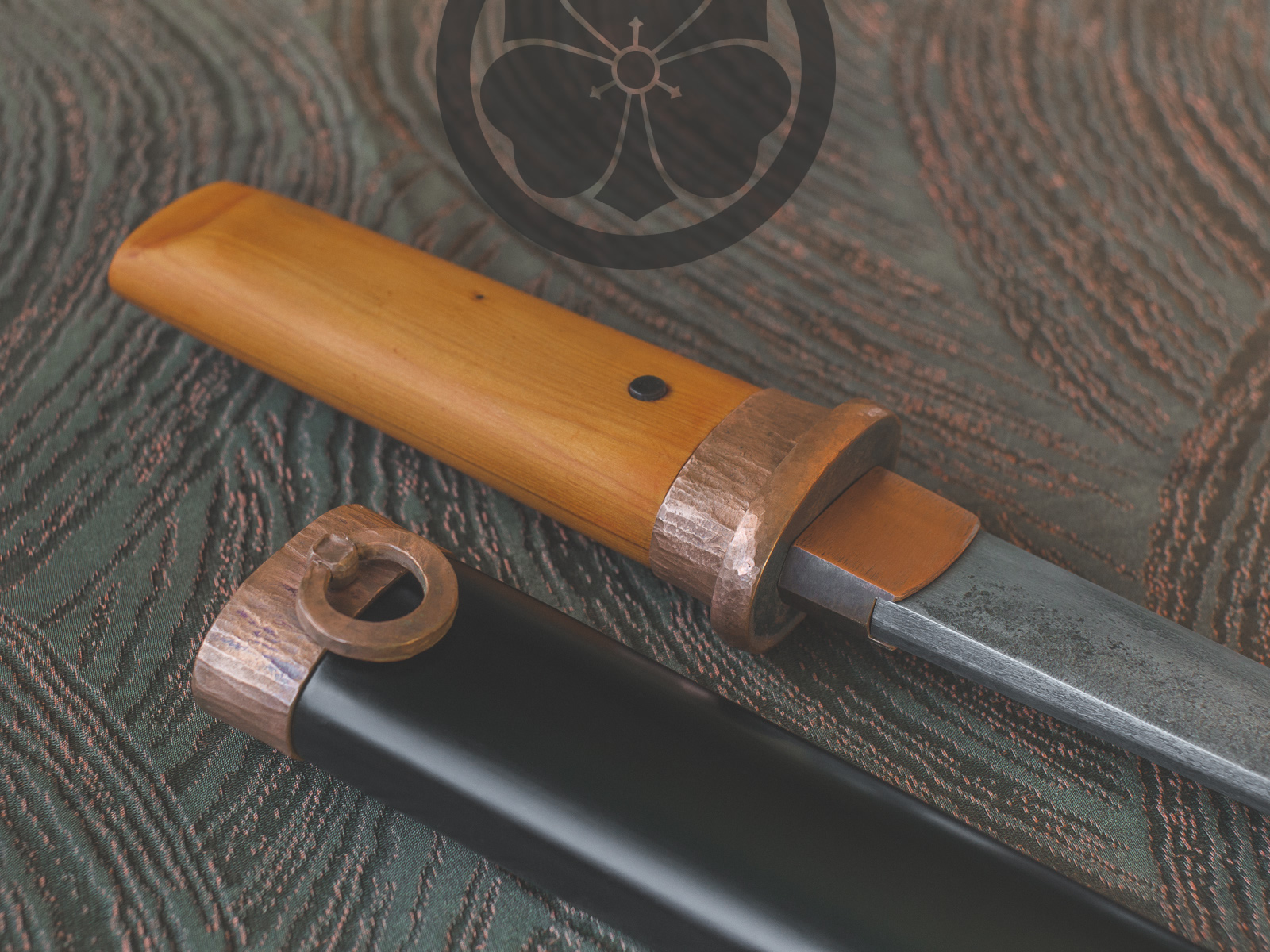
Pacific Yew Forest Kotanto
This custom kotanto finds a balance between the humble satoyama style and a classical tanto with a striking combination of forged copper, natural orange hardwood, and black urushi lacquer. The blade began as a reclaimed harrow tooth and was hand forged in a charcoal fire, differentially hardened using traditional water quench yaki-ire, and sharpened by…
-

Bladesmithing at the Museum Forge
Forging a custom forest kotanto in the swordsmith forge. The starting material was a harrow tooth, the finished blade is hirazukuri, mitsu mune, 140mm / 5.5″ nagasa, with a sturdy 6.5mm motokasane. The finish will be tsuchime (hammer texture) so there was no filing or polishing before yaki-ire, which was done at my forge for…
-
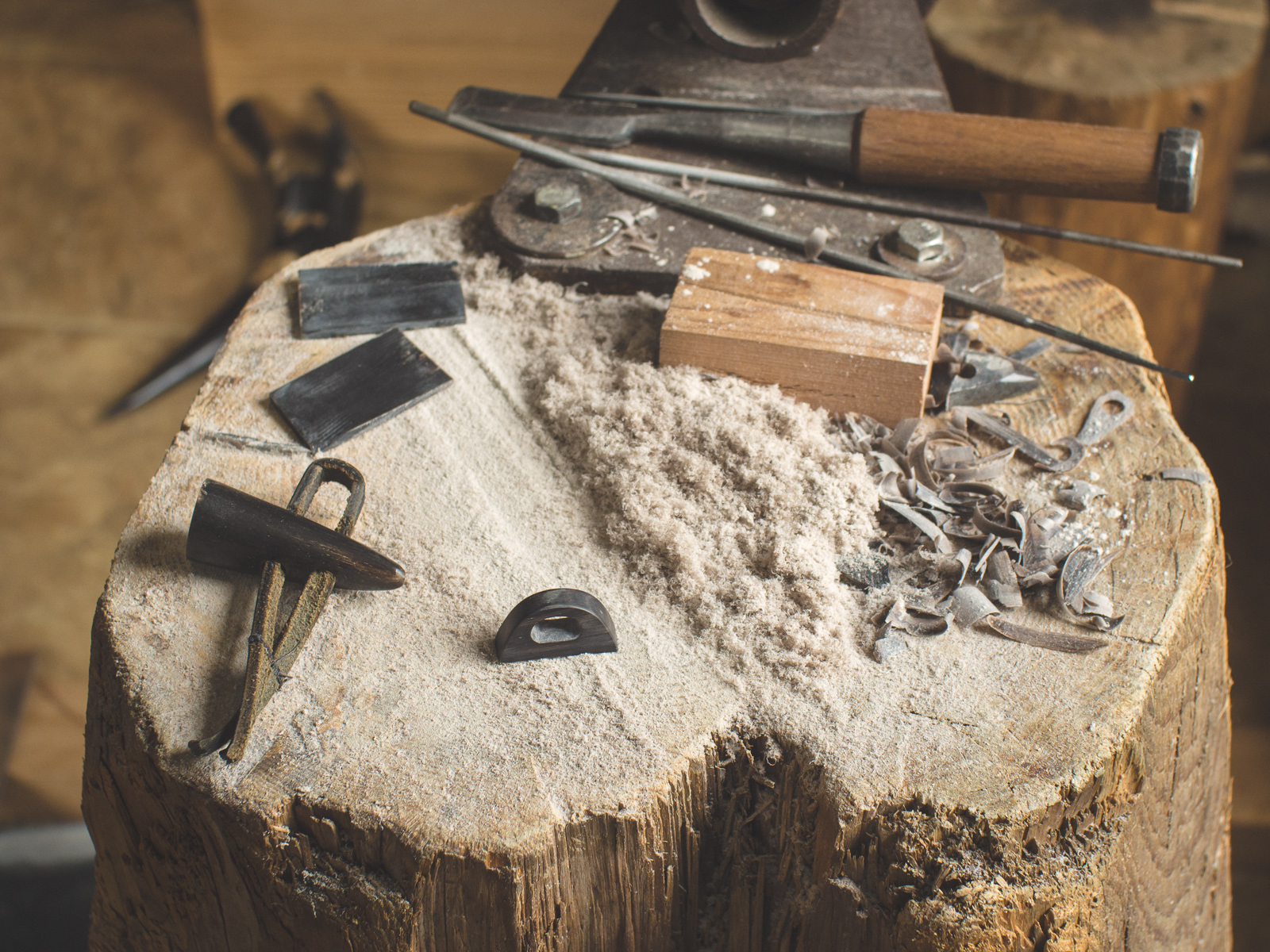
Process: Making the Fittings – Aikuchi Tanto Koshirae
The fuchi and koiguchi are from a reclaimed buffalo horn souvenir, the kurikata is from a reclaimed horn button, the wrapping is rawhide samegawa, the mekugi is copper and silver. All of the parts are first shaped and fit, then the samegawa is wet formed to the handle contours, dried, and then attached with sokui…
-
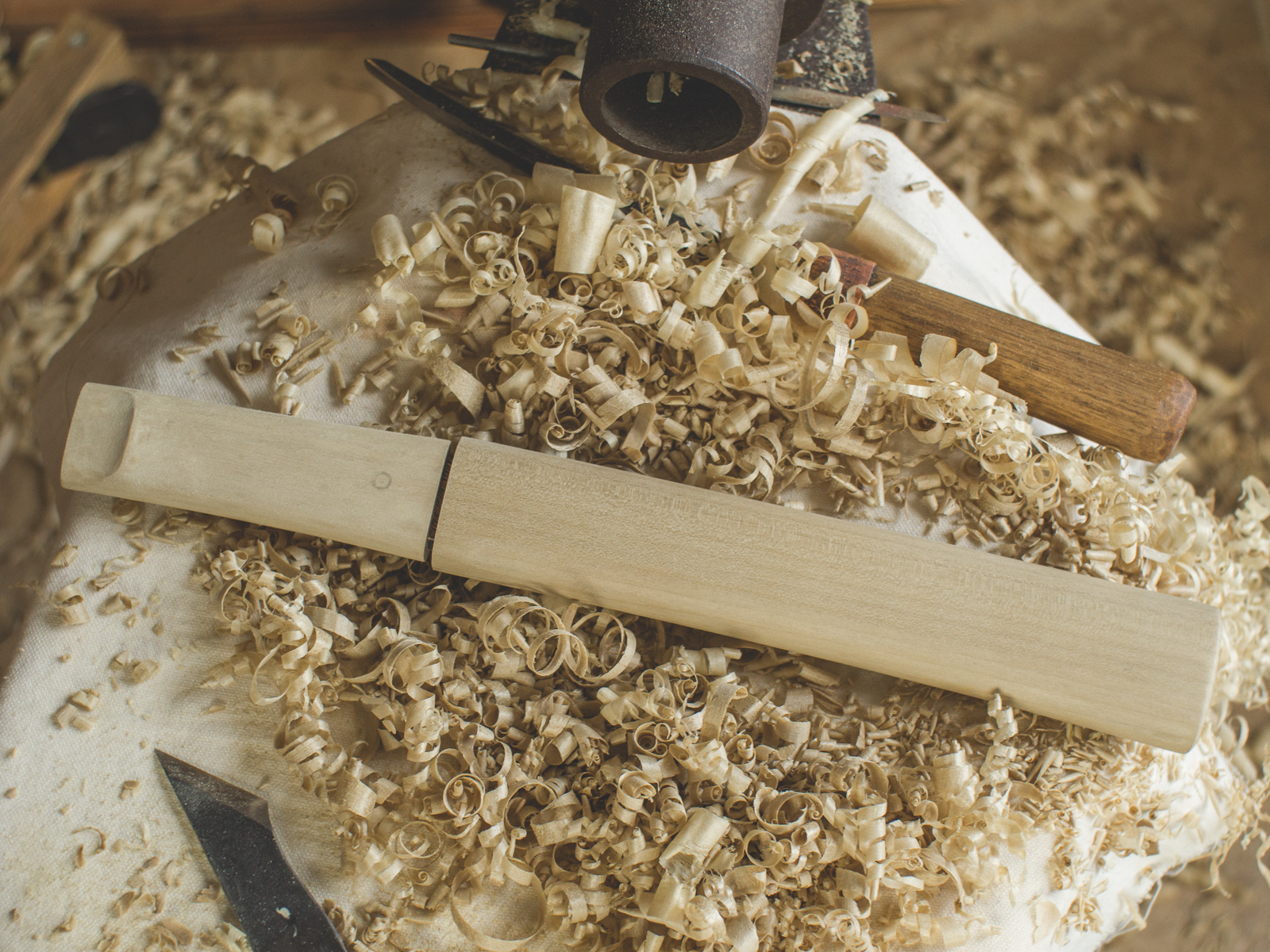
Process: Carving the Tsuka & Saya – Aikuchi Tanto Koshirae
In this video the tsuka is carved first, starting with the fuchi end and then the kashira area, carving the profile outlines and then removing the material in between before carving the final shape and sculpting the details. The saya is next, first dimensioning the blank is to approximate size and then profiling the koiguchi…
-
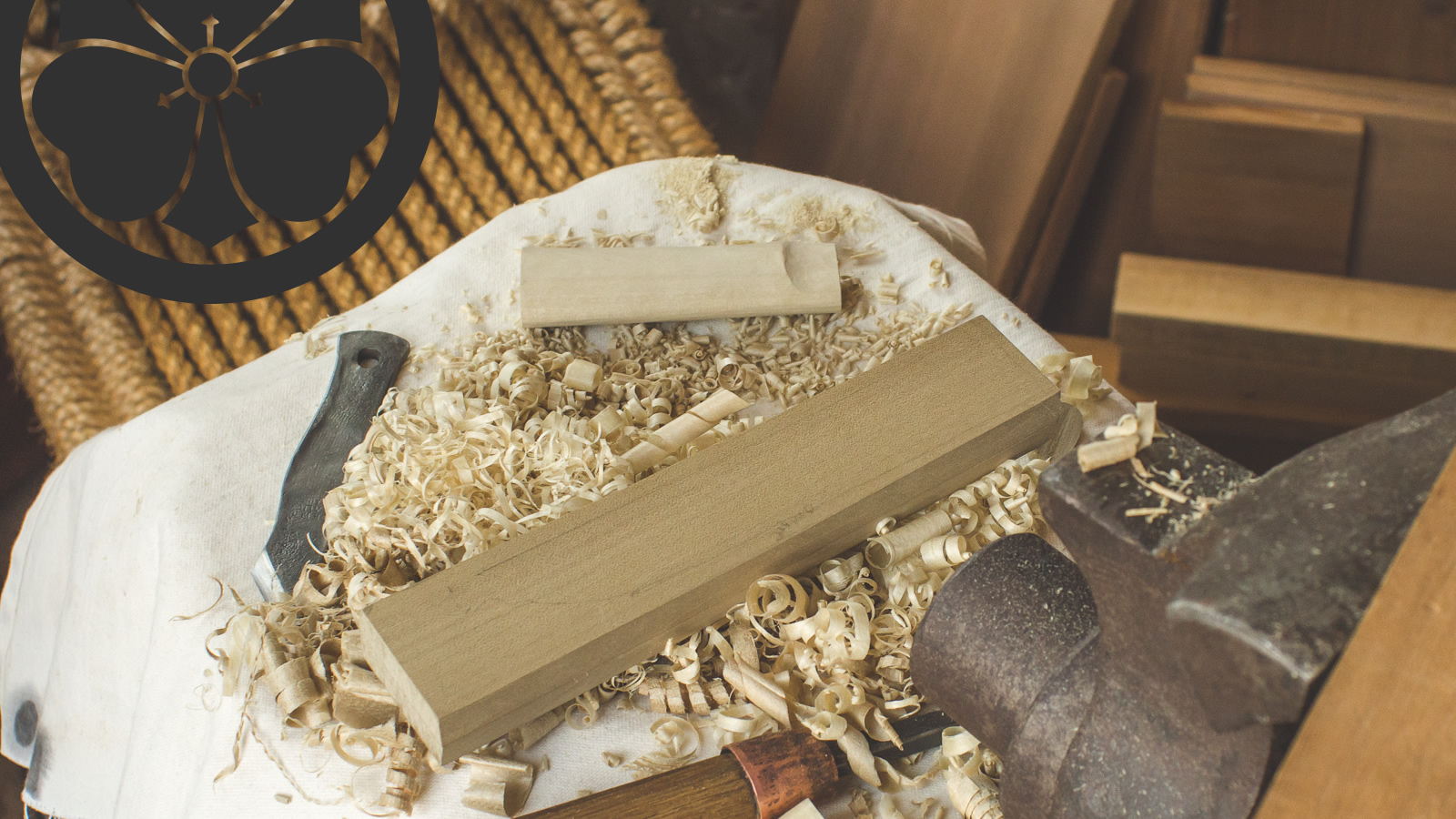
Process: Carving the Inside – Aikuchi Tanto Koshirae
In this video the tsuka is carved first, starting with the omote side and then the ura, carving each half from the mune to the ha. The saya is next, starting with the omote and then the ura, each half beginning with the fitting of the blade (from the mune towards the ha) and then…
-

TimeWarp #9 – Making a Mountain Kotanto
Read about the process of making this knife, learn about the Tools for Satoyama project, or design your own knife.
-

An Inside Look at Kobuse Construction
Though the majority of tanto are muku (one-piece construction), after the beginning of the edo period larger swords (katana, wakizashi) are often intentionally constructed of multiple steel components containing differing carbon content. The reason partly stems from the increase in brittleness of steel made from mass-produced tamahagane which began around that time and also from…
-

Process: Making the Mountain Kotanto
The wider profile of the mountain style kotanto is inspired by a kamakura sword and has a more deeply curved tip (fukura-tsuku) and shorter drop point. The simple and humble mounting style is inspired by the age-old style of farming and foresting tools traditionally used in managing satoyama lands. Satoyama are the managed forest areas…
-

SOTW #14 – Making the Mountain Kotanto
Tools for Satoyama project: Design your own knife.
-
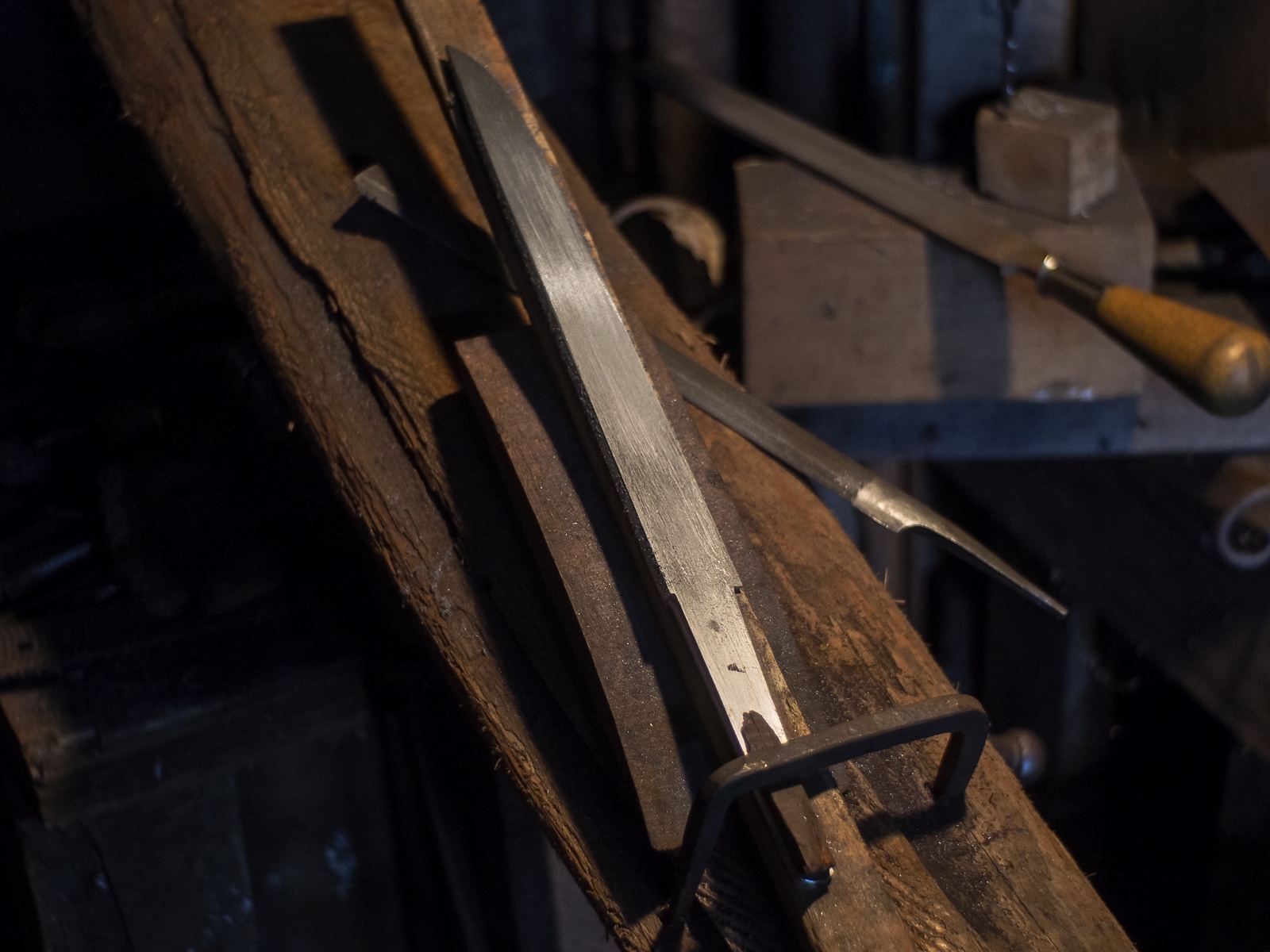
Arashiage – Hand Filing a Forged Tanto
Hand filing a classical tanto style blade forged from half of a reclaimed horse carriage leaf spring. (4x) Arashiage is the rough shaping stage that comes after hizukuri (fire shaping) and before yaki-ire (hardening). Serious students of the forge can read more and watch the full process version here.
-

Making a Mountain Tanto
The wider profile of the mountain style tanto is inspired by a kamakura sword and has a more deeply curved tip (fukura-tsuku) and shorter drop point. The simple and humble mounting style is inspired by the age-old style of farming and foresting tools traditionally used in managing satoyama lands. Satoyama are the managed forest areas…