
-

From the Garden to the Forest
A pair of outdoor knives forged from a single reclaimed hedge shear blade and finished simply and humbly in the age-old style of farming and foresting tools traditionally used in managing satoyama lands. Satoyama are the managed forest areas that border the cultivated fields and the mountain wilds in Japan. Historically they provided fertilizer, firewood,…
-

Soul of Steel Documentary
Here are some excerpts of my segment from Soul of Steel which includes footage from the forge as well as an interview. Thanks to Rolfe and the Todd who came all the way out to the forest and did a great job of sharing the process and vibe of the workshop with folks in Calgary.…
-
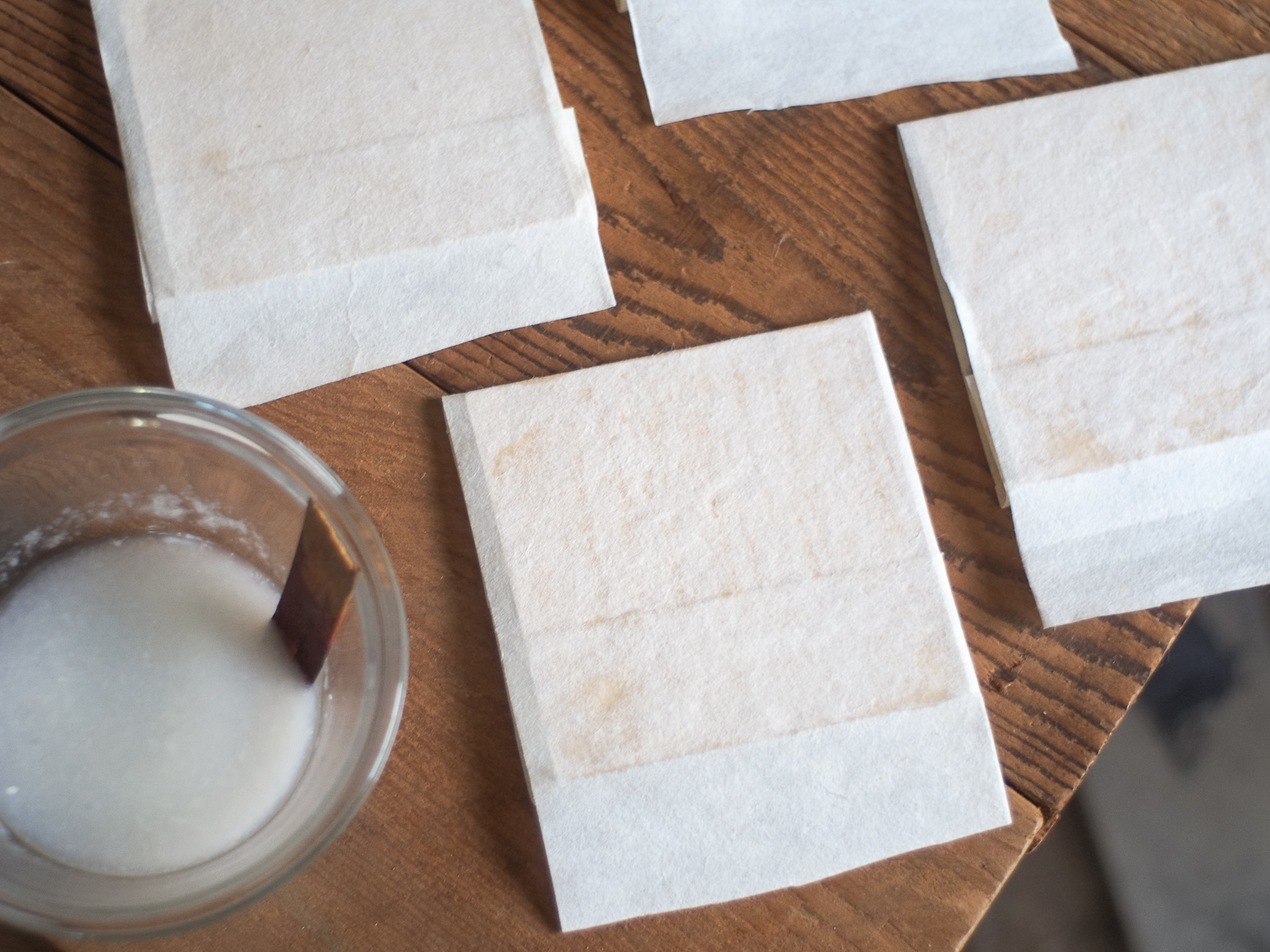
Making Valves for Fuigo Box Bellows
Fuigo (鞴, Japanese box bellows) are among the most compact and efficient hand-powered bellows for forging work. With few complex or moving parts, they are easy to maintain and will provide years of service. Among the more technical points of construction are the four wooden flap valves, called ben (は弁), which control the direction and…
-
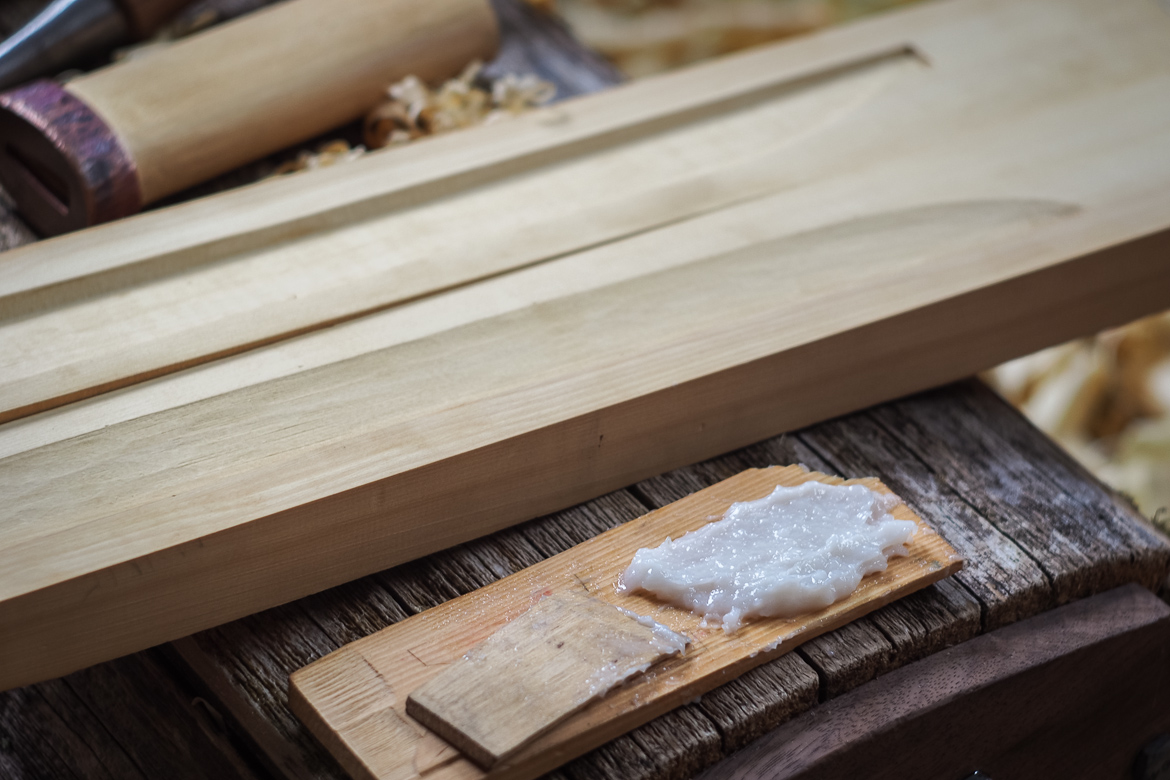
Making Sokui (Rice Paste Glue)
Sokui (続飯) is a simple starch-based wood glue that is traditionally used for joining wood to wood or paper to wood. Its uses span from tsuka making to sliding panel shoji and it particularly shines in joinery where it serves as a lubricant when inserting tenons as well as the adhesive to keep them in…
-

The Bone Knife
This project is part of the artifact series which tend to have the appearance of far older variations of my fusion style works and seem to come from an alternative history where cultures might have blended at different times and in different ways. This particular work is more of a departure from my usual designs,…
-

Making an Outdoor Knife
The Japanese swordsmithing tradition has been in place for generations and many of the design elements have been tested and refined for centuries. With careful study and practice, this can be a solid foundation for today’s bladesmiths and knifemakers to build their work upon. This article will provide an overview of the process and cover…
-

Japanese TV Profile
turn on CC for english subtitles… Thanks very much to the guys who came all the way to the workshop to film for TV Tokyo. Here is most of my segment which includes footage from the visit as well as some of our own footage shot of charcoal making. Editing 5 hours of footage down…
-

A Calgary Media Visit to the Forge
We had a visit from a media crew representing Shaw Calgary this week. They are creating a documentary called, “The Soul of Steel” and wanted an interview and some workshop footage. The show will air from mid-October to mid-November on channel 10 in the Calgary area, and will also be accessible online via their livestream…
-

Making a Hatchet Handle
The second half of the antique hatchet restoration project. There are several important points that are often overlooked when choosing or crafting an axe or hatchet handle. Though not a thorough treatise on the subject, this post will briefly discuss some axe and hatchet handle design theory and recommended dimensions, and provide an overview of…
-

Making a Bamboo Water Scoop for Water Forging
Forging with a thin film of water on the anvil and hammer prevents forge scale or oxide from being hammered into the surface of the steel. The hot steel instantly vaporizes the water and the resulting steam explosion blows the scale off of the work, keeping it clean as it is worked. This type of…
-
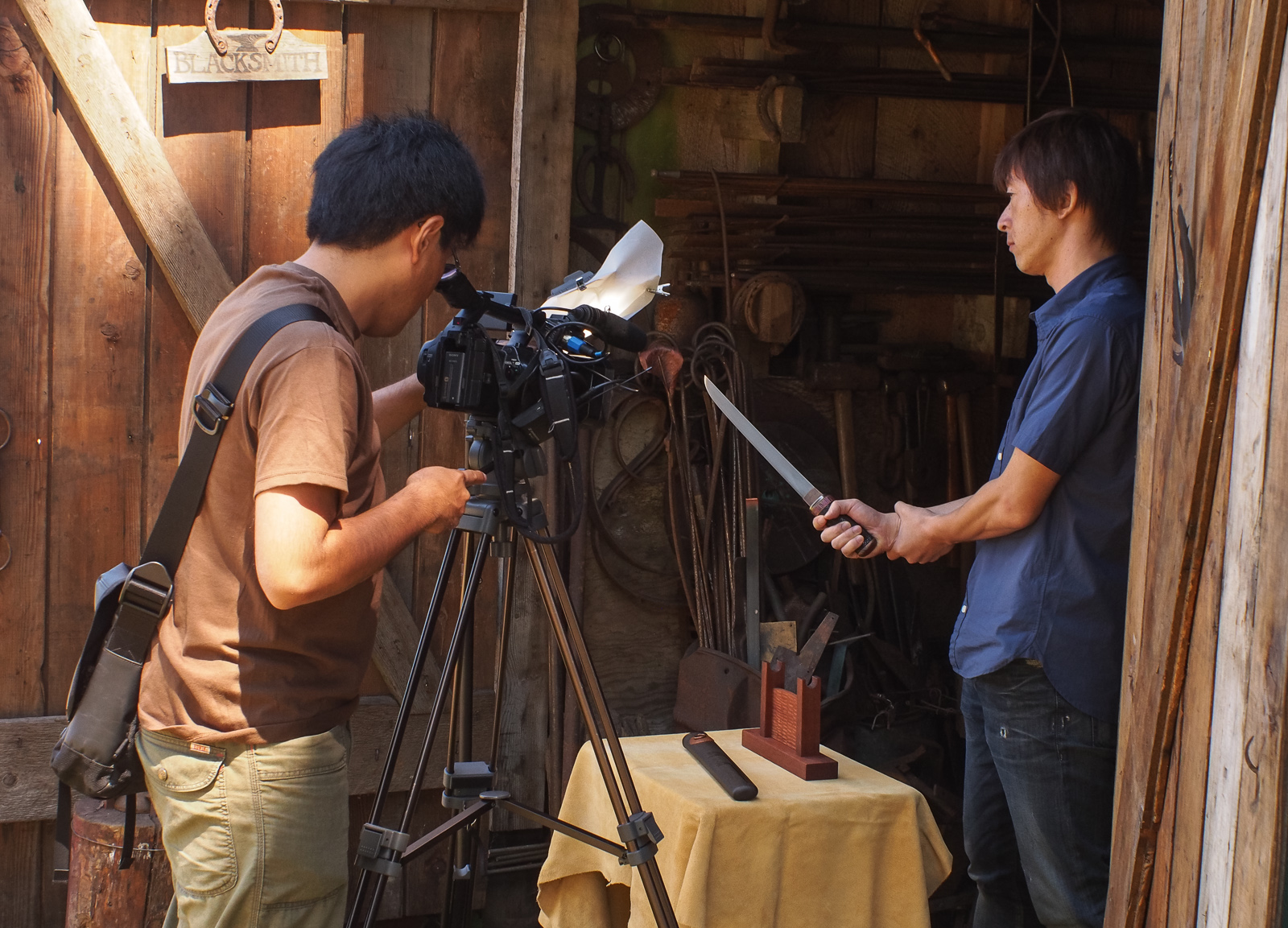
A Japanese Media Visit to the Forge
We had a visit from a crew filming for TV Tokyo today. They were interested in some footage of the workshop and a brief interview. A great group of guys to meet and work with, we covered a lot of ground in a few hours and they probably learned more about steel than they bargained…
-

Hatsu Yari
This project began as a personal challenge and an exploration of the beauty and symmetry that can be found in the sankaku style yari (三角槍). The cross section of the blade is triangular in this style, the spine quite thick and strong, and the tip is centered on both axis. The basic form is fairly…
-

Sounds of the Workshop: Night Session
Though it is a wonderful and peaceful time to be in the workshop enjoying the cool night air as well as a good time for doing yaki-ire, I don’t often forge at night. This night I had the camera on a tripod whilst working on the beginnings of a small shear steel bushcraft knife in…
-
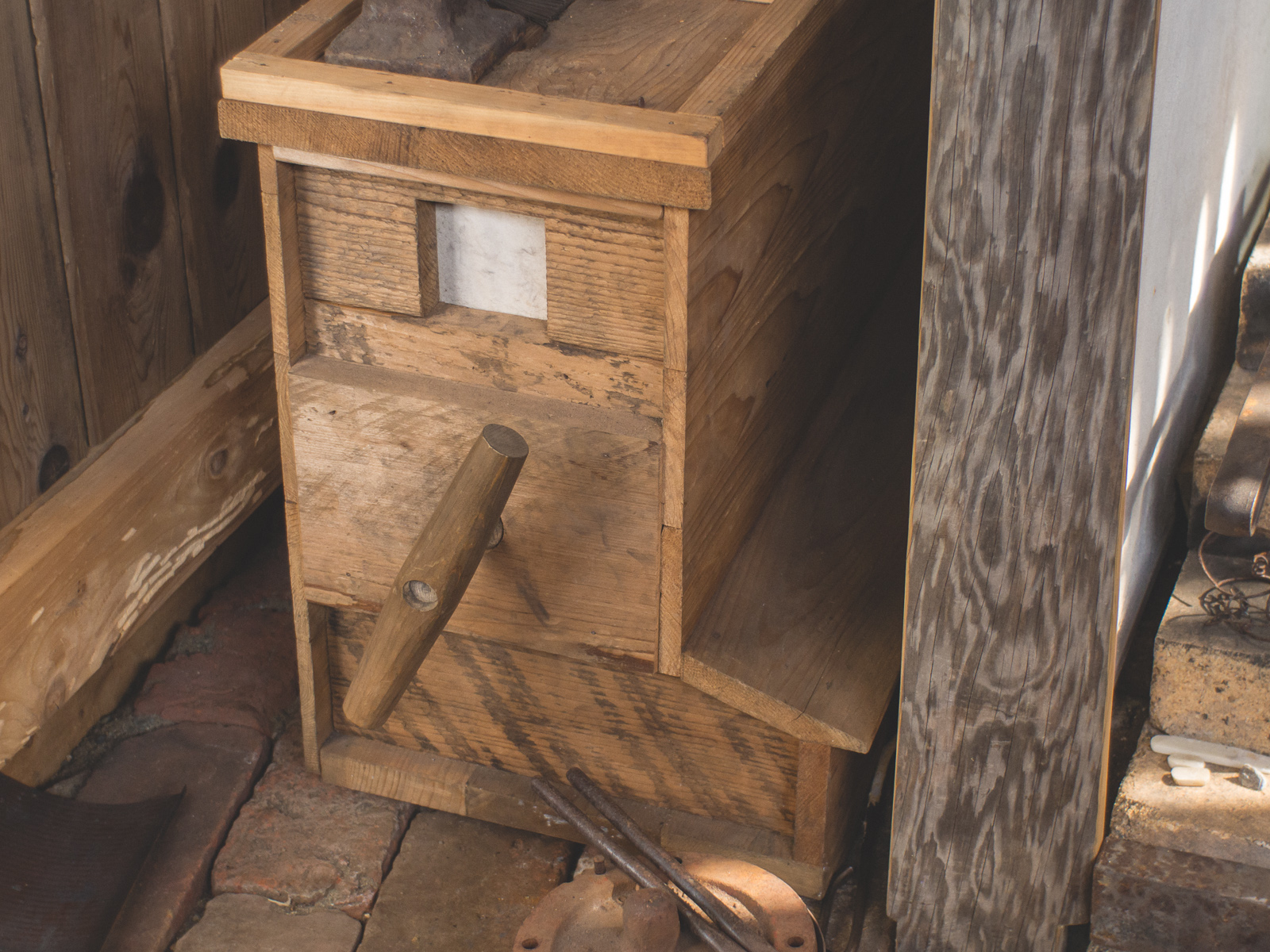
You Need A Swordsmith’s Fuigo Box Bellows
Japanese style box bellows (fukisashi/吹差鞴) reached their current and finalized form by about the sixth century. They are constructed almost entirely of wood and allow a smith to supply a highly controlled air blast to the forge by pulling and pushing the handle slowly back and forth. Using dual chambers and two sets of valves,…
-
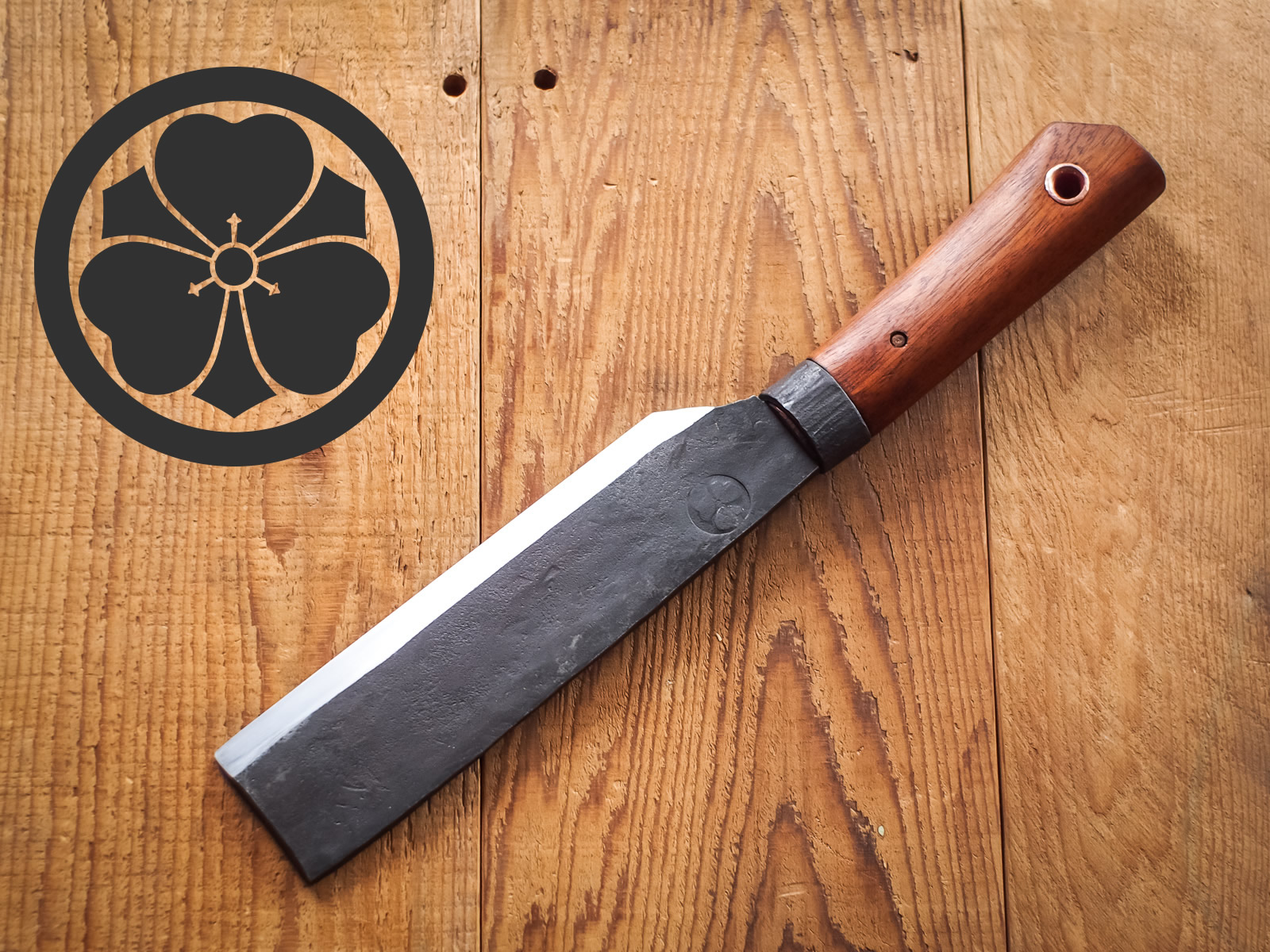
Case Study: Making a Hon-Yaki Nata
Nata (屶, directly translated “mountain sword”, or 鉈) come in various sizes and shapes, but the type most familiar in the west does the duty of a light brush hatchet or heavy camp knife. Common characteristics include thick spines and heavy blades, often with single beveled edges similar to Japanese wood chisels. This type work…